In today’s interconnected world, the importance of access to education cannot be overstated.
It is a universal right that should be available to everyone, regardless of their background or location.
Yet, millions of people still face barriers that prevent them from pursuing their academic dreams.
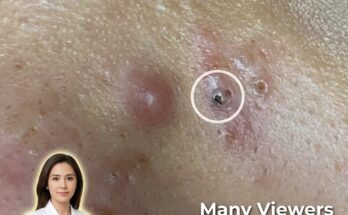
Oil production plays a central role in the development of acne. Sebaceous glands produce sebum to lubricate and protect the skin, but when excess oil combines with dead skin cells inside the follicle, it can contribute to clogged pores and the formation of comedones such as blackheads and whiteheads. Follicular keratinization, a process in which skin cells shed and accumulate within the pore, further increases the risk of blockage. Oil-free skincare products are formulated to minimize additional surface oil and reduce the likelihood of pore congestion, but their impact depends on overall formulation and individual skin biology.
Oil-free products are typically designed without heavy occlusive ingredients or comedogenic oils that may trap debris within pores. Many are labeled non-comedogenic, meaning they are less likely to clog pores under testing conditions. For individuals with oily skin or acne-prone skin, these formulations may help reduce shine and decrease the sensation of heaviness that can accompany richer creams. However, it is important to recognize that sebum production is hormonally regulated, influenced by androgens, insulin signaling, stress hormones, and genetic predisposition. An oil-free label does not directly alter sebaceous gland activity. Instead, these products primarily aim to prevent external factors from worsening pore congestion.
Certain oil-free moisturizers and cleansers include ingredients that actively support acne management. Salicylic acid is commonly used because it penetrates into the pore lining and helps dissolve excess keratin buildup, which can reduce blackheads and whiteheads over time. Benzoyl peroxide is often included in oil-free gels to target acne-causing bacteria and reduce inflammation. Niacinamide may help regulate oil appearance and support the skin barrier, which is particularly important when using active treatments such as retinoids. Retinoids themselves are frequently formulated in oil-free bases to improve tolerability while normalizing cell turnover within the follicle.
Despite these potential benefits, removing oil entirely from a skincare routine is not always ideal. The skin barrier relies on a balanced mixture of lipids to maintain hydration and prevent irritation. Overly aggressive oil-control routines, including harsh cleansers or excessive exfoliation, may disrupt barrier function. When the barrier becomes compromised, the skin can respond with increased irritation, redness, and in some cases compensatory oiliness. This cycle may worsen inflammatory acne rather than improve it. Therefore, even oily and acne-prone skin generally benefits from lightweight, non-comedogenic moisturizers that maintain hydration without contributing to pore blockage.
Environmental factors such as humidity, pollution, and cosmetic use also influence how oil-free products perform. In humid climates, lighter oil-free gels may feel more comfortable and reduce excess shine. In drier environments, a completely oil-free routine may lead to dehydration, which can make pores appear more prominent. Makeup labeled oil-free can reduce the risk of cosmetic-related breakouts, but thorough cleansing at the end of the day remains essential to prevent residue from contributing to clogged pores.
Professional dermatologic guidance may be appropriate for individuals with persistent or moderate to severe acne. Prescription-strength retinoids, hormonal therapies, or in-office procedures such as chemical peels can address underlying mechanisms more effectively than product labeling alone. Oil-free formulations can support these treatments, but they are not substitutes for targeted therapy when acne is driven by deeper hormonal or inflammatory processes.
In practical terms, oil-free products may help reduce surface shine and lower the risk of additional pore congestion, particularly when combined with evidence-based ingredients such as salicylic acid, benzoyl peroxide, or retinoids. However, they are most effective as part of a balanced skincare approach that respects the skin barrier and addresses the biological drivers of acne. Individuals experiencing ongoing breakouts, painful lesions, or scarring should consider consulting a qualified healthcare professional for personalized assessment and treatment recommendations.