The intricate dance between genes and behavior has fascinated scientists, psychologists, and curious minds alike.
As we navigate our daily lives, we often ponder the reasons behind our actions, reactions, and even our inclinations.
Are we merely products of our environment, shaped by our experiences? Or do our genes hold the key to understanding our behaviors? Exploring how genes influence behavior can deepen our understanding of ourselves and the world around us.
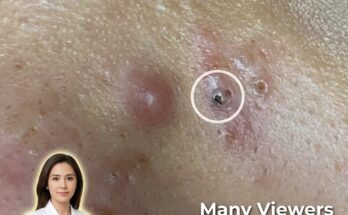
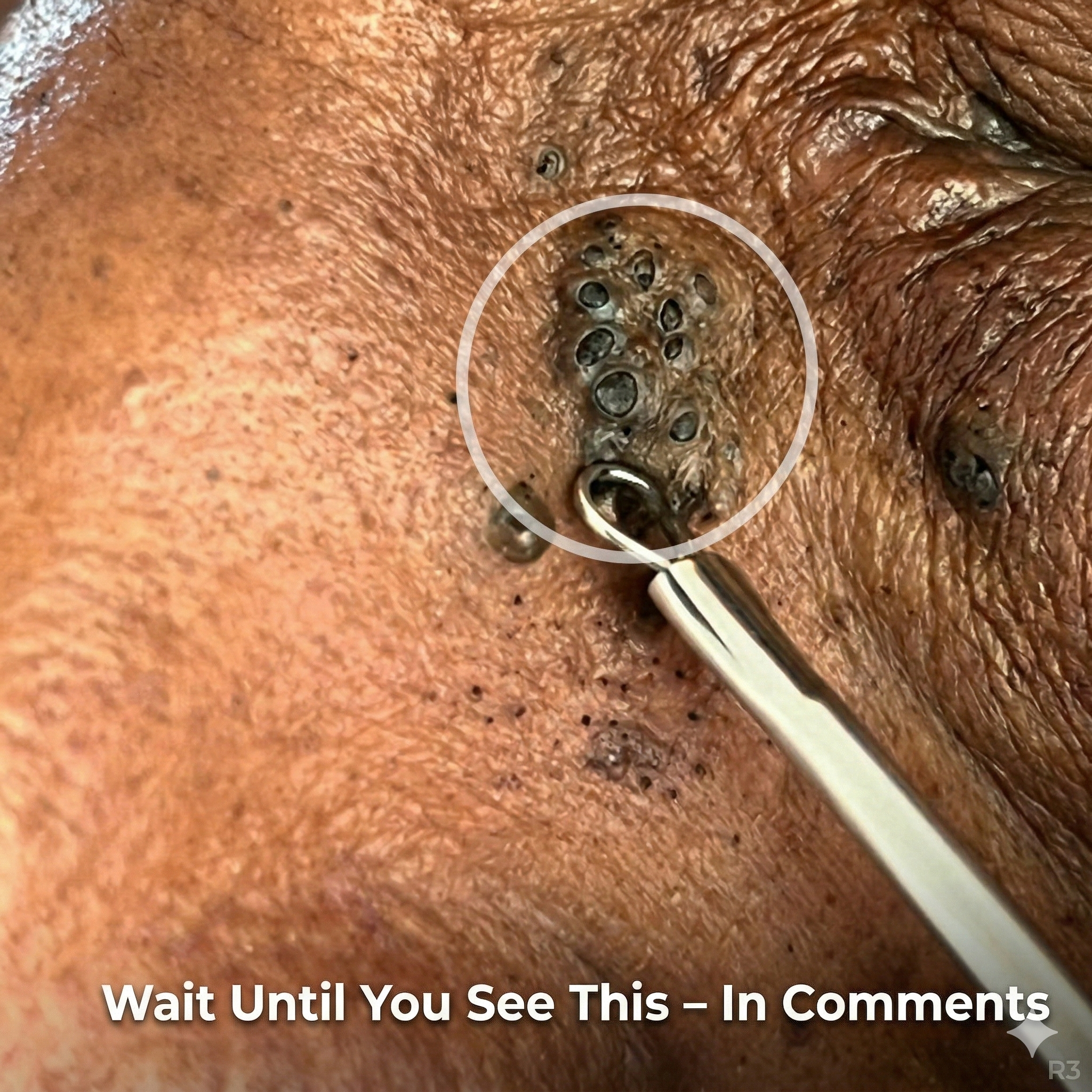
Oily skin is often misunderstood as a condition caused solely by excess sebum production. In reality, sebum output is regulated by a complex interaction between hormones, sebaceous gland activity, and the integrity of the skin barrier. When the outermost layer of the skin becomes dehydrated, transepidermal water loss increases and the barrier may become compromised. In response, sebaceous glands may increase oil production in an attempt to compensate for perceived dryness. This imbalance can contribute to enlarged pores, clogged pores, blackheads, and whiteheads, particularly in individuals prone to acne.
Hydration refers to the water content within the skin, while oiliness reflects lipid production from sebaceous glands. These two factors are related but not identical. A person may have oily yet dehydrated skin at the same time. Harsh cleansers, excessive exfoliation with salicylic acid, frequent use of benzoyl peroxide, and environmental stressors such as low humidity can strip water from the skin’s surface. When barrier function is weakened, inflammation may increase, and this can further disrupt normal follicular keratinization, contributing to comedonal acne.
Supporting hydration may help restore barrier stability and indirectly improve oily skin balance. Ingredients such as glycerin, hyaluronic acid, and panthenol attract and bind water to the skin, while ceramides and cholesterol help reinforce the lipid matrix of the stratum corneum. When the barrier is functioning effectively, sebaceous glands may be less likely to overcompensate. Niacinamide is frequently included in formulations for oily and acne-prone skin because it may help regulate sebum appearance, reduce visible pore size, and support barrier repair simultaneously.
It is important to distinguish between heavy occlusive products that may contribute to clogged pores and lightweight, non-comedogenic moisturizers designed for acne-prone skin. Proper hydration does not require thick or greasy textures. Many gel-based or fluid moisturizers are formulated specifically for oily skin and can be used alongside retinoids, salicylic acid, or benzoyl peroxide to reduce irritation without increasing breakouts. In fact, improving hydration may enhance tolerance to acne treatments, allowing consistent use of active ingredients that target blackheads and whiteheads.
While hydration alone does not eliminate excess sebum production driven by genetics or hormones, it can create a more balanced environment that supports overall skin health. Individuals often notice that when dehydration is corrected, surface oil appears less excessive and skin texture becomes smoother. Consistency is essential, and improvements typically develop gradually over several weeks.
Persistent oily skin accompanied by inflammatory acne, cystic lesions, or significant scarring may require professional evaluation. A qualified healthcare provider can assess hormonal influences and recommend targeted treatments when necessary. Hydration should be viewed as a foundational component of acne-supportive skincare rather than a standalone solution, helping maintain barrier integrity while other evidence-based treatments address the underlying causes of oily and acne-prone skin.