In a world that constantly encourages productivity, it can feel as though rest and study are competing priorities.
Students and lifelong learners alike often believe they must sacrifice sleep, relaxation, or personal time in order to succeed academically.
Yet the truth is that rest and study are not opposites.
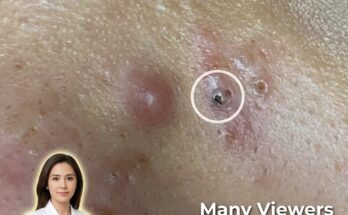
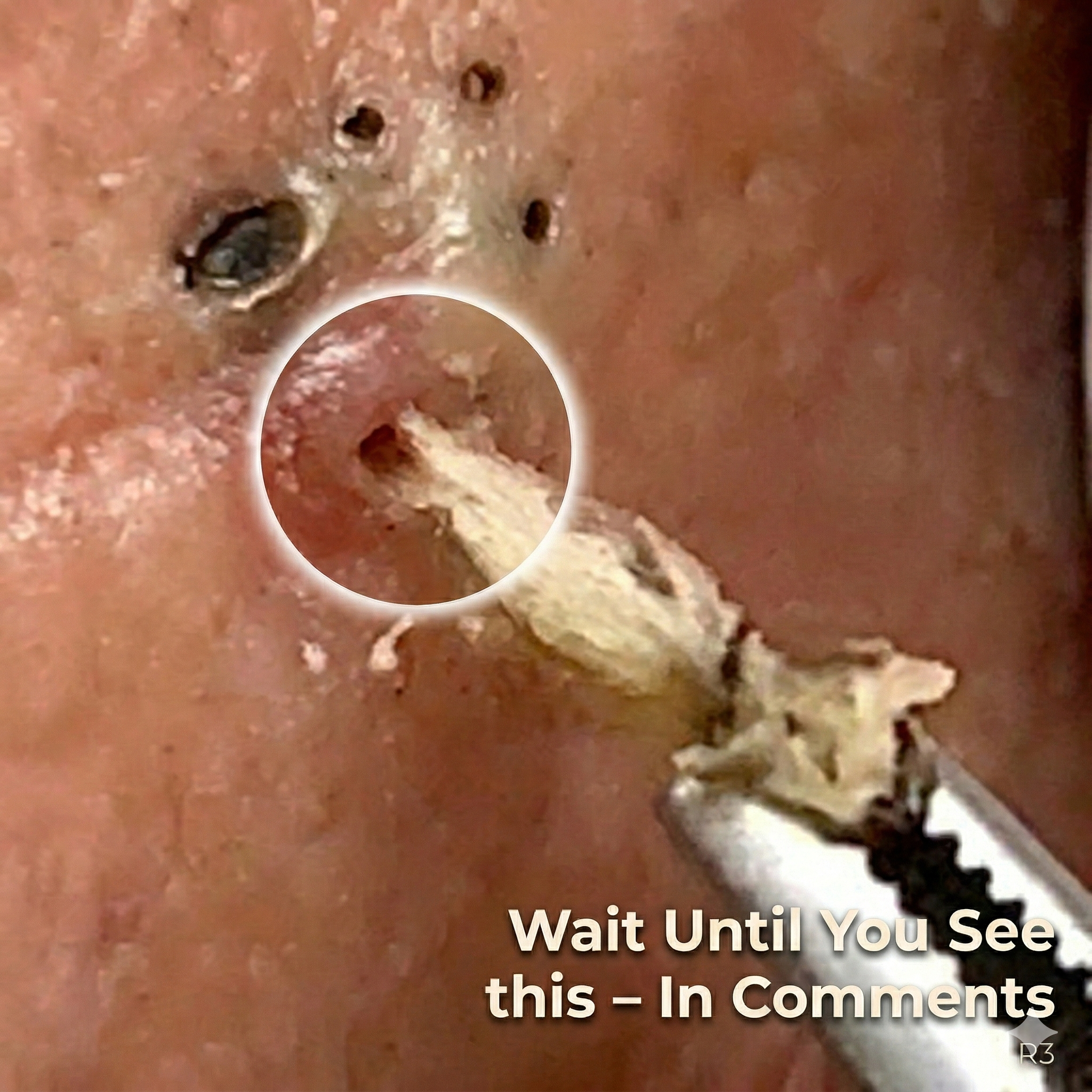
Acne on the back and chest, often referred to as truncal acne, develops through the same fundamental biological mechanisms as facial acne. The condition begins within the hair follicle, where sebum production combines with abnormal follicular keratinization. When dead skin cells accumulate and fail to shed properly, they mix with excess oil and form a clogged pore. This obstruction can manifest as blackheads, whiteheads, or inflamed lesions depending on the degree of blockage and bacterial involvement. The trunk contains a high density of sebaceous glands, particularly across the upper back and central chest, which makes these areas naturally more prone to oily skin and pore congestion. When Cutibacterium acnes proliferates within a blocked follicle, inflammation may develop, leading to papules, pustules, or deeper nodules.
Several contributing factors explain why acne may be especially persistent on the back and chest. Hormonal fluctuations, particularly increases in androgens, can stimulate sebaceous glands and increase sebum production. This is why truncal acne is common during adolescence but may also continue into adulthood. Friction and occlusion play an additional role. Tight clothing, athletic gear, backpacks, and prolonged sweating create a warm, humid environment that can trap oil and debris against the skin. This mechanical stress may aggravate follicular blockage and inflammation. Haircare products that run down the back during rinsing, as well as heavily occlusive body lotions, may also contribute to clogged pores in susceptible individuals. Genetics influence sebaceous gland activity and inflammatory responses, meaning some individuals are inherently more prone to comedonal acne or inflammatory breakouts in these regions.
Skin barrier function also deserves attention. Overwashing the body with harsh cleansers in an attempt to “dry out” acne can disrupt the barrier, potentially increasing irritation and inflammation. Paradoxically, this irritation may worsen breakouts rather than improve them. Balanced cleansing that removes sweat and excess oil without stripping the skin is generally recommended. Ingredients such as salicylic acid are commonly used in body washes because they are oil-soluble and can penetrate into pores to help dissolve debris. Benzoyl peroxide may help reduce bacterial load and inflammation, particularly in inflammatory truncal acne, though it should be used cautiously to minimize dryness and fabric bleaching. Niacinamide may support barrier function while helping regulate oil production and calm visible redness.
Topical retinoids are often recommended for comedonal acne on the back and chest because they help normalize follicular keratinization and prevent new clogged pores from forming. Adapalene, available over the counter in some regions, is frequently used for mild to moderate acne and may improve both blackheads and whiteheads over time. Consistent application is important, as results typically develop gradually over several weeks. For more persistent or widespread truncal acne, dermatology-based treatments such as prescription-strength retinoids, oral antibiotics for inflammatory lesions, or hormonal therapies may be considered under professional supervision. In some cases, chemical peels formulated for body acne or light-based treatments may be discussed as adjunctive options.
Realistic expectations are essential when managing acne on the back and chest. The thicker skin of the trunk may respond more slowly to topical skincare ingredients compared to the face. Improvement is often gradual, and maintenance therapy is commonly needed to prevent recurrence. Individuals experiencing painful, scarring, or widespread acne should consult a qualified healthcare professional for personalized guidance. Educational content on acne biology, ingredient mechanisms, and barrier-supportive skincare practices remains central to evidence-informed management, consistent with the standards outlined in this project brief.