Growing a company can often feel like a delicate dance, a blend of strategy, intuition, and a sprinkle of courage.
As business owners, we find ourselves navigating through a landscape filled with opportunities and challenges alike.
The heart of the journey lies in growing with confidence, embracing both the highs and lows with grace.
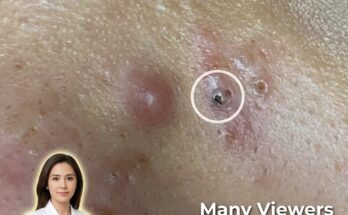
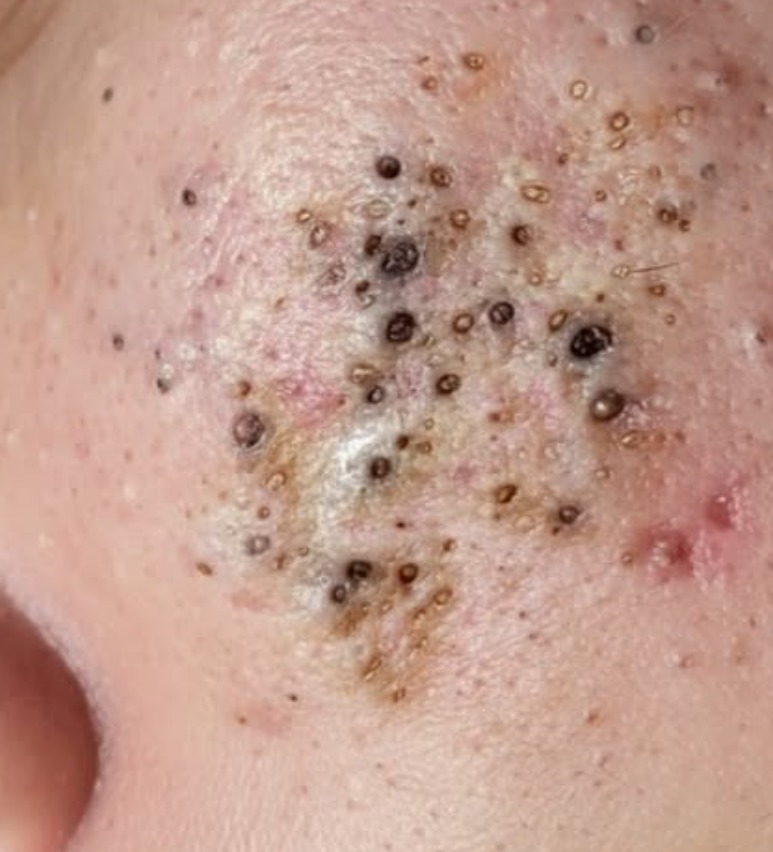
Stubborn blackheads on the nose develop primarily because of how pores function in areas with high oil gland density. The nose contains a large concentration of sebaceous glands that continuously produce sebum, an oily substance designed to protect and lubricate the skin. When excess sebum mixes with dead skin cells inside the hair follicle, it can form a plug. If the pore remains open at the surface, this plug oxidizes when exposed to air, turning dark and forming what is known as an open comedone, or blackhead. This process is a central feature of comedonal acne and is closely linked to abnormal follicular keratinization, where dead skin cells do not shed efficiently from the pore lining.
Several factors can make blackheads on the nose particularly persistent. Oily skin increases the likelihood that pores will become clogged, especially in the T-zone. Hormonal fluctuations, including those influenced by puberty, menstrual cycles, or stress, may stimulate higher sebum production. Genetic predisposition can also determine pore size and oil output, making some individuals more prone to visible blackheads. In addition, skincare habits can contribute. Heavy or comedogenic cosmetics, inadequate cleansing, and inconsistent exfoliation may allow debris to accumulate. Overly harsh products, however, can impair the skin barrier and trigger rebound oil production, which may worsen congestion rather than improve it. Environmental pollutants and humidity can further mix with sebum on the nose, increasing the likelihood of clogged pores.
Effective management focuses on normalizing cell turnover and reducing excess oil while maintaining skin barrier integrity. Salicylic acid, a beta hydroxy acid that is oil-soluble, is commonly used because it penetrates into the pore and helps dissolve the mixture of sebum and dead skin cells. Regular use may gradually reduce the appearance of blackheads. Topical retinoids are often recommended in dermatology because they help regulate keratinization and promote more consistent shedding of pore-lining cells, which can prevent new comedones from forming. Benzoyl peroxide is typically more useful for inflammatory acne but may be included when blackheads coexist with inflamed pimples. Niacinamide may help balance oil production and support barrier function, making it a complementary ingredient in skincare routines for oily or acne-prone skin.
Professional treatments can also play a role when blackheads remain resistant to over-the-counter skincare. Dermatologists may perform manual extractions using sterile techniques, prescribe stronger topical retinoids, or recommend chemical peels designed to improve exfoliation. These approaches aim to reduce follicular blockage while minimizing irritation. It is important to avoid aggressive squeezing at home, as improper extraction can damage the pore wall, contribute to inflammation, and potentially lead to post-inflammatory hyperpigmentation or scarring.
Although blackheads on the nose can be frustrating and slow to resolve, consistent and gentle skincare typically improves their appearance over time. Results often require several weeks of regular use of active ingredients, particularly retinoids. Because skin type, sensitivity, and acne severity vary, individuals with persistent or worsening comedonal acne may benefit from evaluation by a qualified dermatologist to develop a personalized treatment plan.