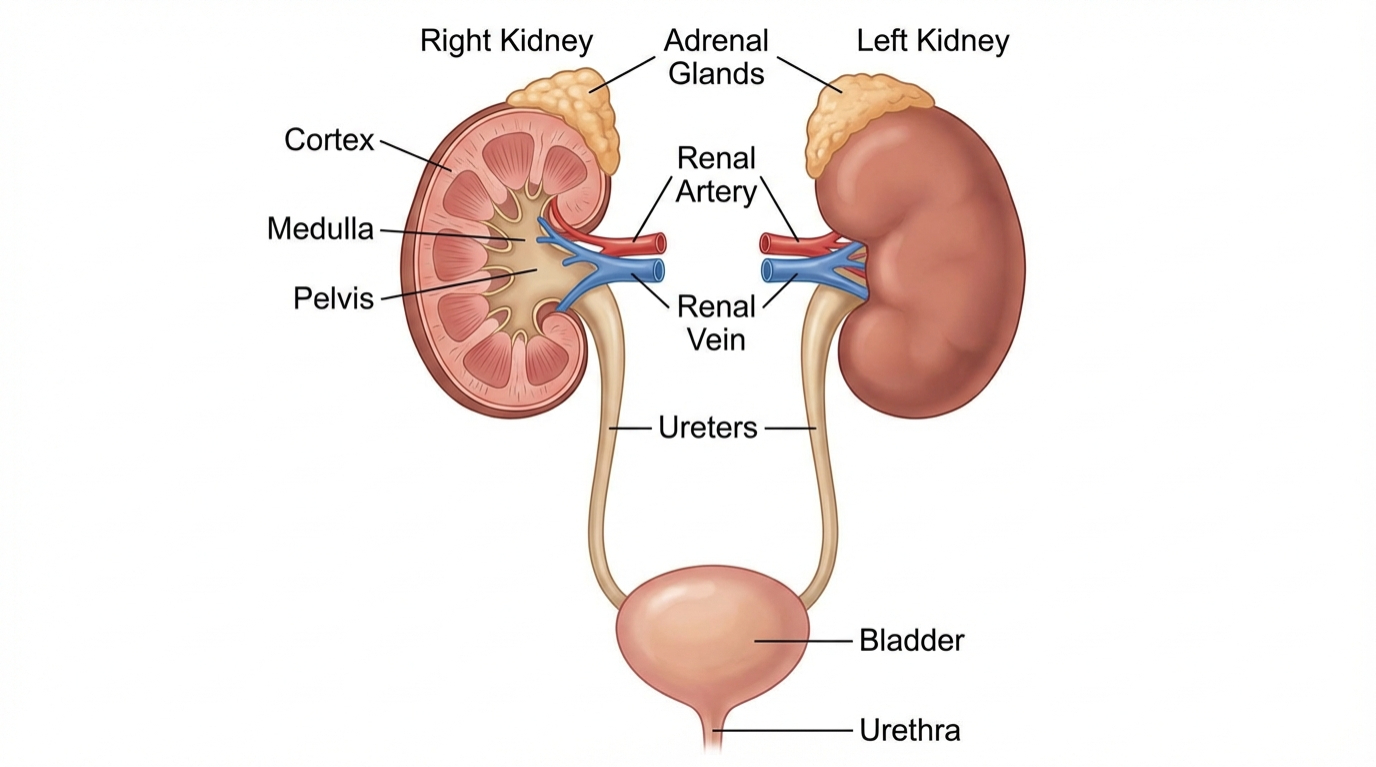
The human body relies on a range of automatic responses to maintain balance and protect internal systems. One of the most familiar — yet often overlooked — responses is the urge to urinate. While it may seem simple, this sensation reflects a carefully coordinated process involving the brain, nerves, muscles, and urinary organs.
Understanding how this body response works can help clarify what is normal, when changes may signal a problem, and how everyday habits influence urinary health.
How the Urinary System Regulates Fluid Balance
The urinary system’s primary role is to filter waste and excess fluid from the bloodstream and eliminate it from the body. It includes:
-
The kidneys
-
The ureters
-
The bladder
-
The urethra
The kidneys continuously filter blood, producing urine that travels down the ureters into the bladder. The bladder acts as a temporary storage reservoir. As it fills, stretch-sensitive receptors in its wall detect expansion.
When the bladder reaches a certain volume, nerve signals travel to the spinal cord and brain. This communication produces the conscious sensation that it is time to urinate. In healthy adults, the brain can delay urination by signaling the pelvic floor and urethral sphincter muscles to remain contracted until an appropriate time.
This coordination between organs and nervous system is known as the micturition reflex — a normal and essential bodily function.
What Is Considered Normal?
Urination frequency varies from person to person and depends on factors such as:
-
Fluid intake
-
Caffeine or alcohol consumption
-
Medications
-
Age
-
Hormonal influences
For many adults, urinating between four and eight times in a 24-hour period is typical. Waking once during the night may also be within normal range, especially with increased evening fluid intake.
The key indicator of healthy urinary function is not simply frequency, but comfort and control. Normal urination should not involve significant pain, burning, urgency without output, or leakage.
The Protective Role of the Urge to Urinate
The sensation of bladder fullness serves several important purposes:
-
Prevents overdistension of the bladder.
If the bladder stretches too far, muscle function can weaken over time. -
Helps flush bacteria from the urinary tract.
Regular urination reduces the risk of infections by clearing microbes before they multiply. -
Maintains proper pressure within the urinary system.
Consistent emptying supports kidney function by preventing backflow or pressure buildup.
Ignoring the urge to urinate occasionally is usually harmless, but repeatedly delaying voiding for long periods may contribute to bladder dysfunction in some individuals.
Common Changes in Urinary Patterns
Changes in urinary habits can result from many causes, including:
Increased Frequency
Frequent urination may occur due to:
-
High fluid intake
-
Caffeine consumption
-
Anxiety
-
Urinary tract infections (UTIs)
-
Conditions such as diabetes
Urgency
A sudden, strong need to urinate may be associated with bladder irritation, infection, or overactive bladder.
Pain or Burning
Discomfort during urination often indicates inflammation or infection and should be evaluated by a healthcare professional.
Leakage
Urinary incontinence can occur due to weakened pelvic floor muscles, nerve changes, childbirth, prostate enlargement, or aging. It is common but not an inevitable part of getting older, and treatment options are available.
Factors That Influence Urinary Health
Several lifestyle habits can support healthy bladder function:
-
Adequate hydration: Drinking enough water keeps urine diluted and reduces irritation.
-
Pelvic floor exercises: Strengthening these muscles can improve bladder control.
-
Balanced caffeine intake: Excess caffeine may increase urgency and frequency.
-
Prompt treatment of infections: Early care helps prevent complications.
-
Regular medical checkups: Particularly important for individuals with chronic conditions.
In men, prostate enlargement can influence urinary flow. In women, pregnancy and menopause may affect bladder control. Hormonal shifts and structural changes play a role in these differences.
When to Seek Medical Advice
Professional evaluation is recommended if urinary changes are accompanied by:
-
Persistent pain
-
Blood in the urine
-
Fever
-
Sudden inability to urinate
-
New or worsening leakage
-
Unexplained changes in frequency
These symptoms may indicate infection, obstruction, stones, or other conditions that require diagnosis and treatment.
Supporting Long-Term Urinary Function
Maintaining urinary health involves awareness rather than alarm. Most fluctuations in bladder habits are temporary and linked to fluid intake, diet, stress, or minor infections.
However, consistent changes deserve attention. Early assessment often allows for straightforward treatment and prevents complications.
The urge to urinate is more than a simple inconvenience. It is a finely tuned signal that reflects healthy communication between the brain and bladder. By understanding this common body response, individuals can better recognize what is normal for them — and when it may be time to seek guidance from a healthcare professional.