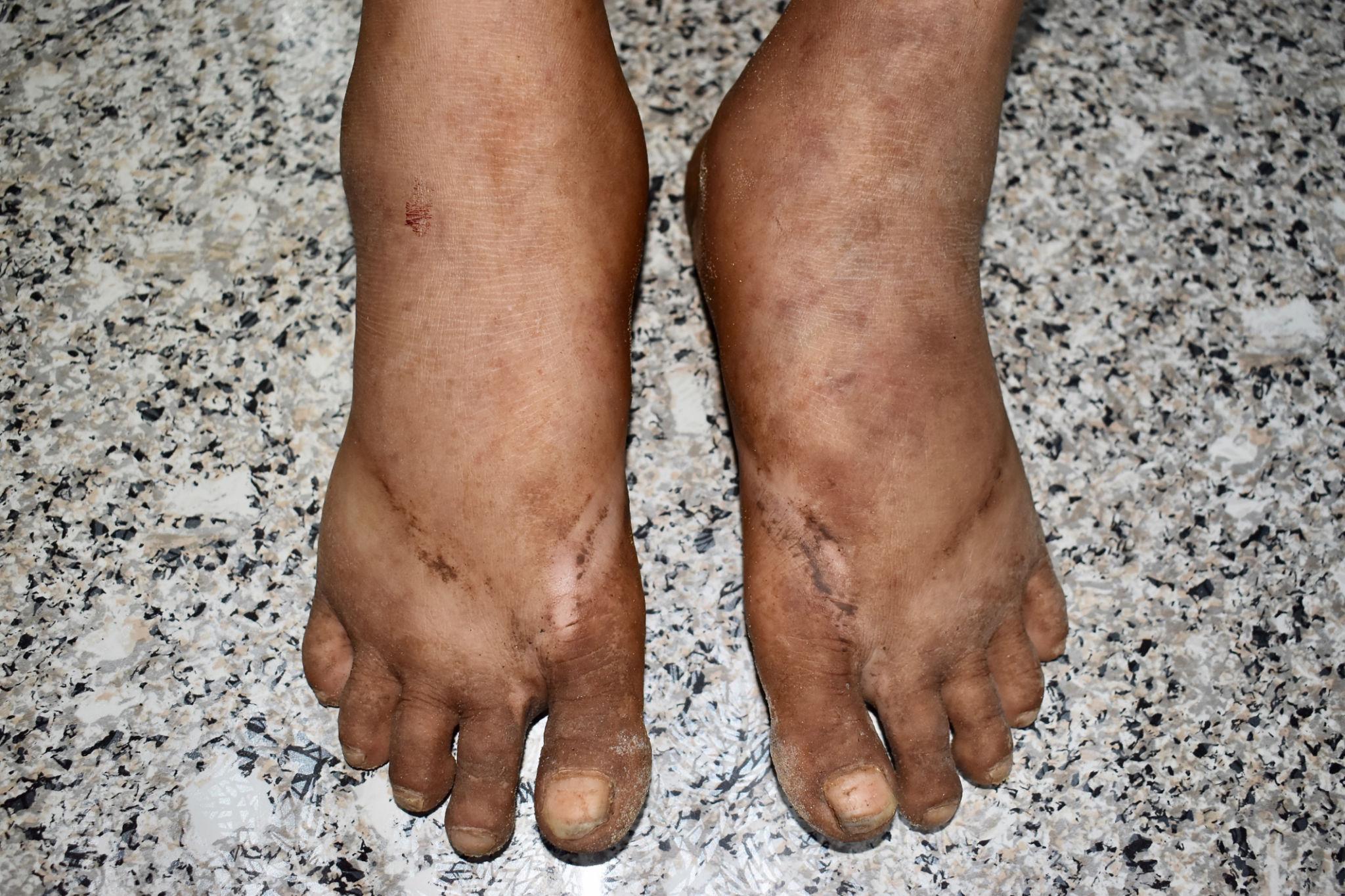
Swollen feet are a common complaint across all age groups. In many cases, the cause is temporary and harmless — such as standing for long periods or hot weather. However, persistent or unexplained swelling can signal an underlying health condition that requires medical attention.
Understanding the possible causes and warning signs can help you decide when simple home care is appropriate and when professional evaluation is necessary.
What Causes Swollen Feet?
Swelling in the feet and ankles is medically known as peripheral edema. It occurs when excess fluid accumulates in the tissues. Several factors can contribute to this buildup.
1. Prolonged Standing or Sitting
Remaining in one position for extended periods allows fluid to pool in the lower extremities due to gravity. This is common during long flights, desk work, or standing occupations.
Swelling from this cause usually improves with movement and elevation.
2. Heat and Dehydration
Warm temperatures can cause blood vessels to expand, allowing fluid to leak into surrounding tissues. Mild swelling during hot weather is common and often resolves once temperatures cool or hydration improves.
3. High Salt Intake
Excess sodium can cause the body to retain fluid. Diets high in processed foods may contribute to noticeable swelling in the feet and ankles.
4. Pregnancy
Hormonal changes and increased pressure on veins can lead to swelling, particularly in the third trimester. While mild swelling is common during pregnancy, sudden or severe swelling should be evaluated to rule out complications such as preeclampsia.
5. Venous Insufficiency
Chronic venous insufficiency occurs when leg veins struggle to return blood to the heart. This can cause fluid buildup, heaviness, skin changes, and swelling that worsens throughout the day.
6. Heart, Kidney, or Liver Conditions
Swelling in both feet may sometimes indicate systemic issues:
-
Heart failure can reduce the heart’s ability to circulate blood efficiently, leading to fluid accumulation.
-
Kidney disease may impair the body’s ability to remove excess fluid and sodium.
-
Liver disease can lower protein levels in the blood, contributing to fluid leakage into tissues.
These causes typically produce persistent swelling and may be accompanied by other symptoms such as fatigue, shortness of breath, or abdominal swelling.
7. Inflammation or Injury
Swelling affecting only one foot may result from:
-
Sprains or fractures
-
Infections
-
Gout
-
Arthritis
-
Blood clots (deep vein thrombosis)
Localized swelling often presents with redness, warmth, and pain.
When Swollen Feet Are a Warning Sign
While occasional mild swelling is common, certain symptoms require prompt medical evaluation:
-
Sudden swelling in one leg
-
Swelling accompanied by chest pain or shortness of breath
-
Redness, warmth, and significant tenderness
-
Skin discoloration
-
Swelling that does not improve with rest
-
Rapid or unexplained weight gain
Sudden swelling combined with breathing difficulty may indicate a serious condition and should be treated as a medical emergency.
How Swollen Feet Are Diagnosed
A healthcare professional will review your medical history, medications, and recent activities. A physical examination may be followed by additional testing, such as:
-
Blood tests
-
Urine tests
-
Ultrasound imaging
-
Heart or kidney function tests
Identifying the underlying cause is essential for effective treatment.
Managing Mild Swelling at Home
If swelling is mild and not linked to a serious condition, several strategies may help:
-
Elevate your feet above heart level for 20–30 minutes
-
Stay physically active to improve circulation
-
Limit sodium intake
-
Wear properly fitted footwear
-
Avoid sitting or standing for prolonged periods
-
Use compression stockings if recommended by a healthcare provider
Lifestyle adjustments are often effective when swelling is related to circulation or temporary fluid retention.
The Importance of Monitoring Symptoms
Swollen feet are not always a cause for concern, but persistent or worsening symptoms should not be ignored. Paying attention to changes — including whether swelling is one-sided, painful, or accompanied by systemic symptoms — can help guide timely medical care.
If you are unsure about the cause of swelling or notice new or severe symptoms, consulting a healthcare professional is the safest course of action.
Early evaluation can help identify underlying issues and prevent complications, ensuring appropriate treatment and long-term health protection.