The world of plants is a vibrant tapestry of life, intricately woven into the fabric of our daily existence.
From the towering trees that grace our forests to the delicate flowers that bloom in our gardens, plants play a crucial role in sustaining life on Earth.
Their fascinating journey, filled with resilience and adaptability, invites us to look closer at the incredible ways they enrich our lives.
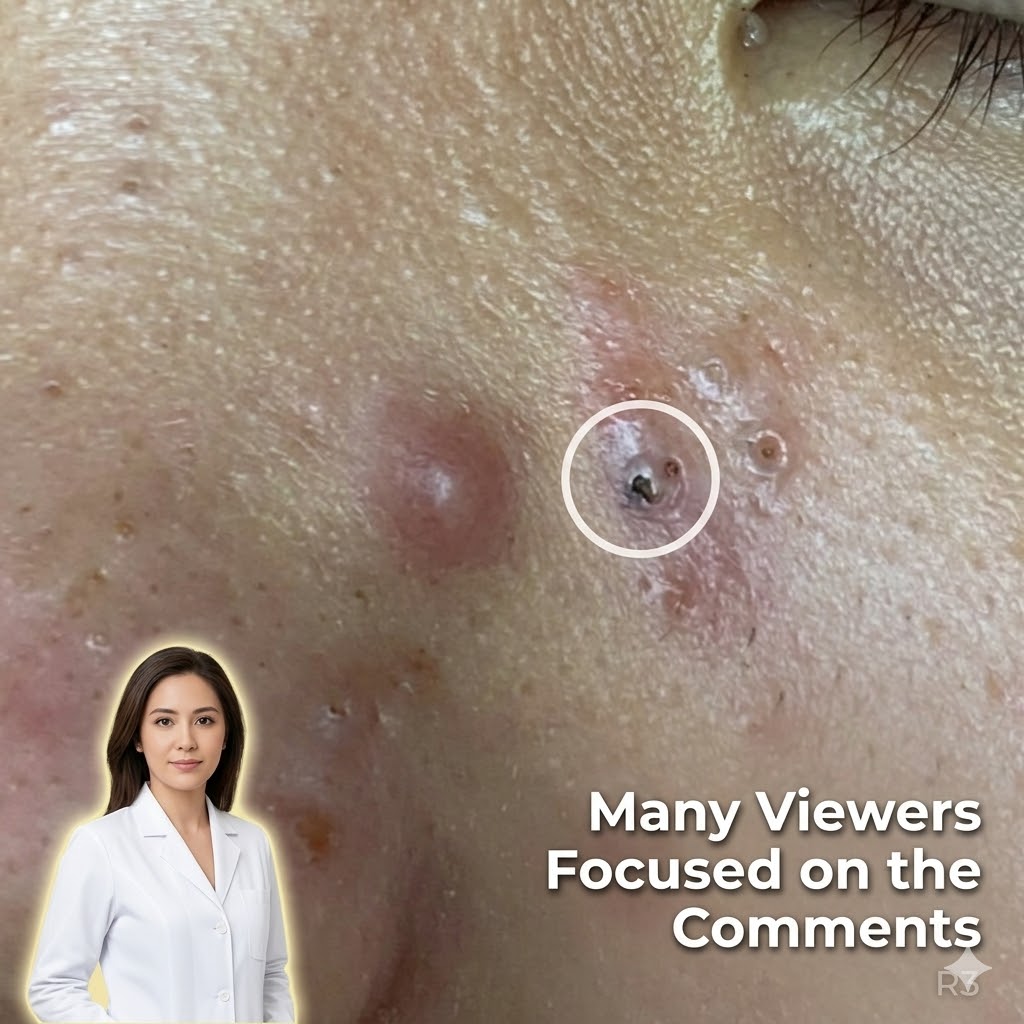
Teen acne and adult acne share many underlying biological mechanisms, but the way the skin behaves during different life stages can influence how breakouts develop and persist. Acne forms when hair follicles become clogged with excess sebum, dead skin cells, and keratin debris. This process, known as follicular keratinization, causes material to accumulate within the pore, creating an environment where comedones such as blackheads and whiteheads can form. In some cases, bacteria that naturally live on the skin, including Cutibacterium acnes, contribute to inflammation inside the blocked follicle, leading to red or painful lesions. While these processes occur in both teenagers and adults, differences in hormonal activity, skin barrier function, and environmental exposure can significantly affect how acne appears at each stage of life.
PROJECT-ACNE-&-SKINCARE-EDUCATI…
During adolescence, acne is primarily driven by hormonal changes associated with puberty. Rising levels of androgens stimulate the sebaceous glands to produce larger amounts of sebum, particularly in areas where oil glands are most concentrated, such as the forehead, nose, and chin. This increased oil production can combine with naturally shedding skin cells inside the follicle, increasing the likelihood of clogged pores. Teen acne often presents as a mixture of blackheads, whiteheads, and inflammatory lesions across the T-zone, where sebaceous gland activity is typically highest. Because teenage skin tends to produce more oil overall, the environment inside the follicle may become more favorable for pore congestion and bacterial growth.
Adult acne often develops through slightly different patterns. While hormones still play a role, fluctuations related to menstrual cycles, stress hormones, or endocrine changes can trigger breakouts even when oil production is lower than during adolescence. Adult acne frequently appears along the lower face, including the chin, jawline, and neck. In many individuals, the skin barrier may also be more reactive due to environmental exposure, frequent cosmetic use, or previous acne treatments that altered the skin’s balance. These factors can contribute to both inflammation and delayed healing, making adult acne lesions sometimes persist longer than those seen in teenagers.
Another difference between teen and adult acne involves the rate of skin cell turnover and the structure of the follicle. Younger skin typically renews itself more rapidly, but increased keratin production during puberty can lead to compact plugs of dead cells inside pores. In adult skin, cell turnover may gradually slow, which can allow dead skin cells to accumulate if exfoliation and proper skincare are not maintained. This accumulation may contribute to persistent comedones or recurring clogged pores even when oil production is not excessive.
Lifestyle factors and skincare habits can also influence acne patterns at different ages. Teenagers may experience breakouts linked to sweat, sports equipment, hair products, or inconsistent skincare routines. Adults, on the other hand, often encounter triggers related to cosmetic products, chronic stress, sleep disruption, or environmental pollutants. Certain skincare formulations that are overly occlusive or irritating may disrupt the skin barrier and contribute to pore congestion, particularly in individuals already prone to acne.
Evidence-informed treatment strategies generally focus on addressing the biological processes that lead to clogged pores and inflammation. Ingredients such as salicylic acid are commonly used to help exfoliate inside the follicle and reduce the buildup of dead skin cells that contribute to blackheads and whiteheads. Benzoyl peroxide may help reduce acne-causing bacteria and inflammatory activity within the pore. Retinoids are widely recommended in dermatology because they support normal skin cell turnover and help prevent the formation of comedones. Additional ingredients such as niacinamide may help support the skin barrier while reducing visible redness and excess oil.
For persistent or moderate to severe acne, dermatology professionals may recommend prescription treatments, hormonal therapy, or in-office procedures such as chemical peels or professional extractions. These approaches are typically selected based on the individual’s skin type, acne severity, and underlying triggers. Consistent skincare routines that include gentle cleansing, appropriate moisturization, and non-comedogenic products can also help maintain clearer pores over time.
Although acne can occur at any age, understanding how skin physiology changes between adolescence and adulthood helps guide more effective treatment approaches. Acne management often requires patience and consistent care, as the biological processes behind clogged pores and inflammation develop gradually within the follicle. Individuals experiencing persistent or severe breakouts are often encouraged to seek guidance from qualified dermatology professionals who can help tailor treatments to the unique characteristics of their skin.


