Hormonal fluctuations play a significant role in the development and persistence of acne by influencing several biological processes within the skin.
One of the most important effects involves the stimulation of sebaceous glands, which produce sebum, the skin’s natural oil.
Hormones known as androgens, including testosterone and its more active derivative dihydrotestosterone, can increase both the size and activity of these glands.
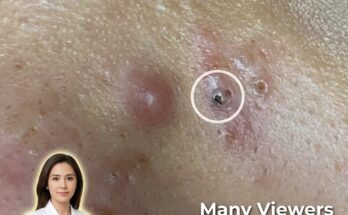
As sebum production rises, the oily environment within hair follicles becomes more favorable for pore congestion and comedone formation. When excess sebum mixes with dead skin cells that do not shed properly, the follicle can become blocked, leading to the formation of blackheads and whiteheads.
Hormonal shifts occur naturally throughout life and are particularly noticeable during puberty, when androgen levels rise and sebaceous glands become more active. This increase in oil production explains why acne commonly begins during adolescence. However, hormonal fluctuations do not stop after puberty. Many adults experience acne that appears or worsens in response to cyclical hormone changes, especially during the menstrual cycle. In the days leading up to menstruation, hormone levels shift in ways that may increase oil production and alter the skin’s inflammatory response, making breakouts more likely in areas with higher concentrations of sebaceous glands such as the chin, jawline, and lower cheeks.
Hormones may also influence the process of follicular keratinization, which is the shedding of skin cells inside the hair follicle. In acne-prone skin, this shedding process can become irregular, causing dead keratinocytes to accumulate within the pore rather than exiting normally. When combined with excess sebum, these cells form the initial plug that begins the development of a comedone. Over time, the blocked follicle can create an environment that supports the growth of acne-associated bacteria and may trigger inflammation.
Certain medical conditions can further amplify the hormonal influence on acne. For example, conditions involving elevated androgen levels may increase sebum production and contribute to persistent or severe acne. Stress may also indirectly affect acne through hormonal pathways, as elevated stress hormones can influence inflammation and oil production in the skin. Genetics can additionally determine how sensitive an individual’s sebaceous glands are to circulating hormones, which helps explain why some people experience more severe breakouts despite having similar hormone levels.
Because hormones influence multiple stages of acne development, treatment approaches often focus on managing oil production, preventing pore blockage, and reducing inflammation. Topical retinoids are commonly recommended because they help normalize the shedding of skin cells inside the follicle, reducing the formation of clogged pores. Salicylic acid may assist by penetrating oily pores and helping dissolve accumulated debris. Benzoyl peroxide is frequently used to reduce the population of acne-related bacteria and limit inflammatory lesions.
In some cases, healthcare professionals may consider treatments that address hormonal influences more directly. Certain prescription medications are sometimes used to help regulate hormone activity or reduce the skin’s sensitivity to androgens. These treatments are typically recommended only after evaluation by a qualified medical professional who can assess an individual’s overall health and acne severity.
Although hormonal acne can be persistent, many people are able to manage breakouts effectively with consistent skincare and appropriate treatment strategies. Because hormone levels naturally fluctuate over time, maintaining a stable skincare routine and seeking professional guidance for ongoing or severe acne can help support long-term skin health while minimizing the development of new lesions.