In our fast-paced digital world, the way we communicate online can often feel overwhelming.
Social media platforms, blogs, and forums are brimming with opinions, images, and narratives that compete for our attention.
Amidst this cacophony, practicing mindful posting can be a refreshing approach that not only enhances your online experience but also contributes positively to the digital community.
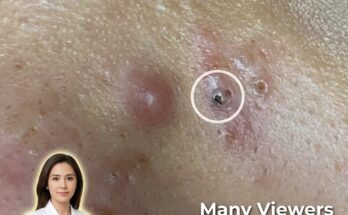
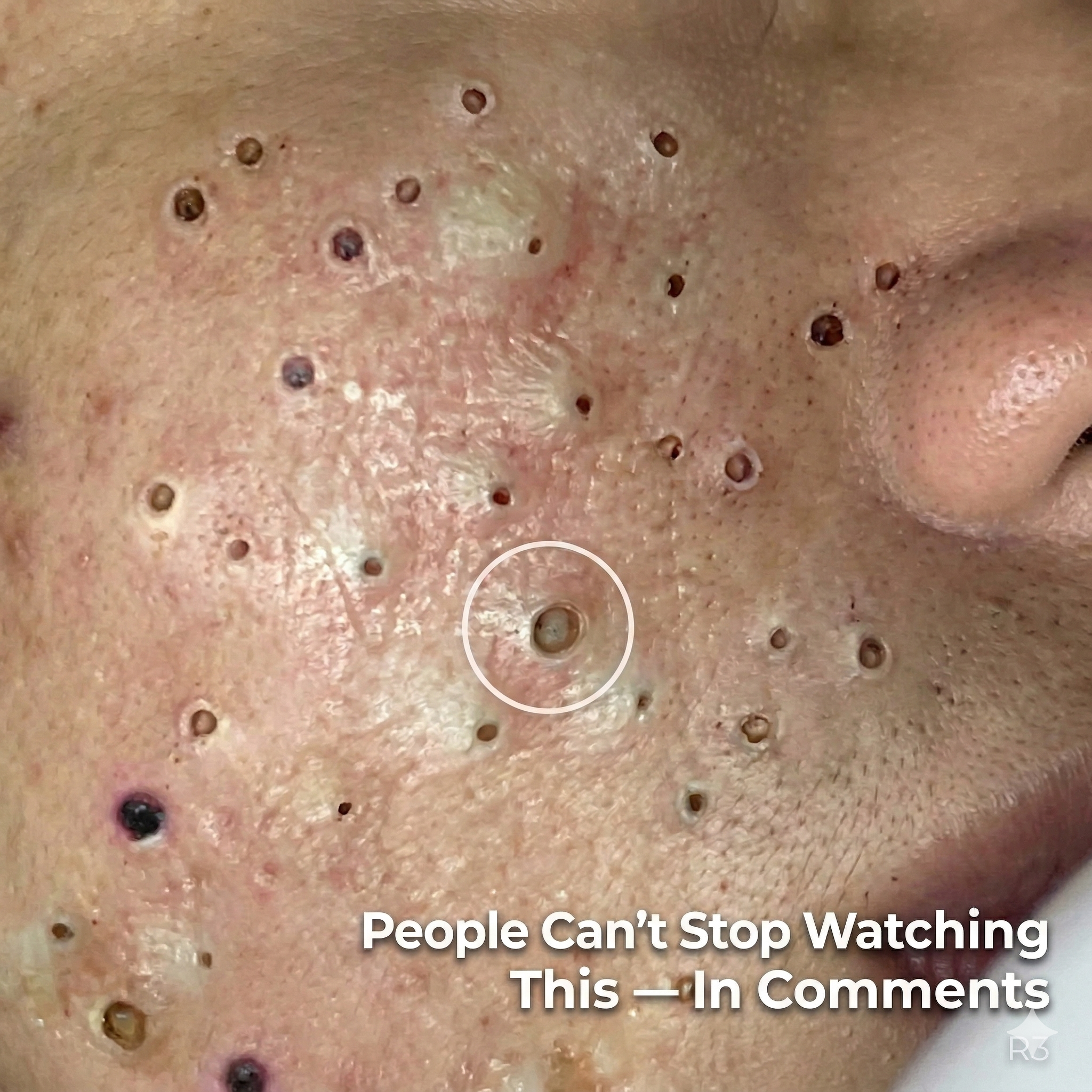
Acne lesions known as comedones develop when hair follicles become clogged with a mixture of sebum and dead skin cells. Within acne-prone skin, sebaceous glands produce oil that normally travels upward through the follicle to lubricate the skin surface. At the same time, keratinocytes lining the follicular wall continuously shed as part of the skin’s natural renewal process. When this shedding becomes abnormal, the cells can stick together and mix with sebum, gradually forming a plug inside the pore. This process, called follicular keratinization, is considered one of the earliest steps in acne development and leads to the formation of comedonal acne lesions such as whiteheads and blackheads.
The primary biological difference between whiteheads and blackheads lies in whether the follicle remains open to the surface of the skin. A whitehead, also known as a closed comedone, forms when the pore opening becomes sealed by a thin layer of skin. The trapped mixture of oil and keratinized cells remains enclosed within the follicle, creating a small, pale bump beneath the surface. Because the material inside the pore is not exposed to air, it typically retains a white or flesh-colored appearance. The internal pressure created by accumulating debris may also stretch the follicle wall, which can contribute to the formation of additional acne lesions if inflammation develops.
Blackheads, or open comedones, occur when the follicular opening remains partially open. In this case, the plug of oil and dead skin cells is exposed to the external environment. The dark color seen at the surface is not caused by dirt but by oxidation of lipids and melanin within the accumulated material. When these substances come into contact with oxygen, they undergo chemical changes that produce the characteristic darkened appearance at the top of the pore. Although blackheads may appear more visible than whiteheads, they are often less inflamed because the follicle remains open and pressure within the pore may be lower.
Several biological factors influence whether a clogged follicle becomes a whitehead or a blackhead. The size of the pore opening, the rate of keratinocyte turnover, and the amount of sebum produced by the sebaceous gland all contribute to how the blockage forms. Individuals with oily skin often produce larger amounts of sebum, which increases the likelihood of pore congestion. In some follicles the surface opening remains flexible and allows the material to oxidize, resulting in blackheads. In others, the opening narrows or closes entirely, trapping the material inside and forming whiteheads.
Hormonal fluctuations can further affect the development of both types of comedones. Androgens stimulate sebaceous glands to produce more oil, which can increase the volume of material within the follicle. This hormonal influence is one reason comedonal acne frequently appears during adolescence, menstrual cycles, or periods of hormonal change. Environmental factors such as heat, humidity, occlusive skincare products, and cosmetic ingredients may also contribute to follicular blockage in susceptible individuals.
Many acne treatments are designed to target the biological processes that lead to both whiteheads and blackheads. Topical retinoids are widely used because they help regulate the shedding of keratinocytes and reduce the tendency of dead skin cells to accumulate within the follicle. By normalizing this process, retinoids may help prevent the formation of new comedones over time. Salicylic acid is another commonly used ingredient, particularly for oily or acne-prone skin, because it can penetrate into oil-filled pores and help loosen compacted debris.
Additional ingredients may support broader acne management. Benzoyl peroxide is frequently used to reduce bacteria associated with inflammatory acne, while niacinamide may help balance oil production and support the skin barrier. Gentle cleansing and the use of non-comedogenic moisturizers can help maintain skin balance without contributing to additional pore congestion.
While whiteheads and blackheads differ in their structure and appearance, both originate from the same underlying process of follicular blockage. Managing acne therefore often focuses on maintaining regular exfoliation within the pore, supporting balanced oil production, and avoiding skincare products that may contribute to clogging. Individuals experiencing persistent or severe acne may benefit from consultation with a dermatologist, who can recommend treatment strategies tailored to their specific skin type and acne pattern.