In the intricate tapestry of life on Earth, animals exhibit a stunning array of senses that allow them to interact with their surroundings in ways that often surpass human capabilities.
From the keen eyesight of an eagle soaring high above to the delicate olfactory senses of a bloodhound on the trail, the world of animal senses is a realm of wonder.
Understanding these senses not only enriches our appreciation for the animal kingdom but also sheds light on the evolutionary paths that have shaped these remarkable creatures.
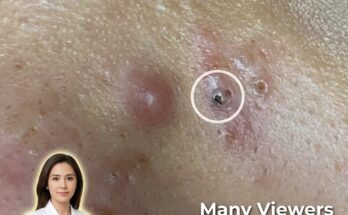
Acne lesions begin with a microscopic process inside the hair follicle. Excess sebum produced by sebaceous glands mixes with dead keratinocytes, forming a plug that blocks the pore. This environment allows inflammatory signaling and bacterial activity to develop, which can lead to papules, pustules, or deeper nodules. When inflammation resolves, the skin does not always return immediately to its previous appearance. Two common outcomes after acne heals are acne scarring and post-inflammatory marks. Although they may appear similar at first glance, these conditions involve very different biological mechanisms and long-term behaviors within the skin.
Post-inflammatory marks, often referred to as post-inflammatory erythema or post-inflammatory hyperpigmentation, occur when inflammation alters blood vessels or pigment production in the skin. Post-inflammatory erythema typically appears as pink or red marks and is more common in lighter skin tones. It results from dilation or damage to superficial blood vessels after an inflamed acne lesion heals. Post-inflammatory hyperpigmentation, by contrast, appears as brown, gray, or darker patches caused by increased melanin production triggered by inflammation. These marks do not represent structural damage to the skin and are usually temporary, although they may persist for several months depending on skin type and sun exposure.
Acne scarring involves deeper structural changes within the dermis. When inflammation penetrates more deeply into the follicle wall, it can damage surrounding collagen and connective tissue. During the healing process, the body attempts to repair this injury by producing new collagen fibers. If collagen production is insufficient, depressions known as atrophic scars may form, including ice pick scars, boxcar scars, or rolling scars. In other cases, excessive collagen production can create raised hypertrophic or keloid scars. Unlike post-inflammatory marks, these scars represent permanent changes in skin architecture, which is why they tend to persist without targeted treatment.
Several factors influence whether acne heals with temporary marks or lasting scars. The severity and depth of inflammation play a major role, which is why cystic or nodular acne carries a higher risk of scarring. Delayed treatment, frequent picking or squeezing of pimples, and repeated inflammation in the same follicle can further increase tissue damage. Genetic predisposition also affects how the skin heals, as some individuals produce collagen differently during wound repair. Environmental factors such as ultraviolet exposure may worsen post-inflammatory hyperpigmentation by stimulating additional melanin production in healing areas.
Because post-inflammatory marks are pigment or vascular changes rather than structural damage, many skincare ingredients focus on supporting skin turnover and calming inflammation. Topical retinoids such as adapalene may help regulate keratinocyte turnover, which gradually improves uneven pigmentation and prevents new clogged pores. Ingredients such as niacinamide are commonly used to support barrier function and reduce visible redness, while azelaic acid and gentle chemical exfoliants like salicylic acid may help accelerate the fading of hyperpigmented marks. Consistent sunscreen use is particularly important, as ultraviolet exposure can prolong discoloration and slow the fading process.
Treating acne scars often requires more intensive dermatologic procedures because the underlying issue involves damaged collagen structures. Dermatologists may recommend treatments such as microneedling, laser resurfacing, chemical reconstruction techniques, or subcision to stimulate new collagen formation and smooth depressed areas. In certain cases, dermal fillers or specialized resurfacing procedures may be used to improve skin texture. These approaches are designed to remodel the dermis rather than simply lighten pigmentation.
Preventing both scars and persistent marks begins with controlling active acne and minimizing inflammation. Evidence-based treatments that reduce follicular blockage and bacterial growth, including benzoyl peroxide, topical retinoids, and salicylic acid, are commonly recommended in acne care routines. Maintaining a balanced skincare routine that protects the skin barrier may also reduce irritation-induced breakouts that prolong inflammatory cycles.
Although post-inflammatory marks often fade gradually over time, improvement can take several months depending on skin tone, sun exposure, and ongoing acne activity. Acne scars typically require targeted treatments and patience, as collagen remodeling occurs slowly. For individuals experiencing persistent discoloration, deep scarring, or severe acne, consultation with a qualified dermatology professional can help determine the most appropriate treatment strategy and reduce the risk of long-term skin changes.