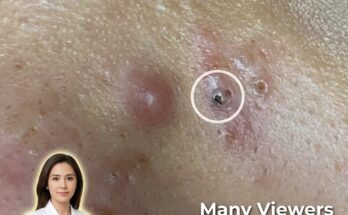
Video 1
Video 2
Video 3
Acne develops within the pilosebaceous unit, where sebum production, follicular keratinization, and microbial activity intersect. The earliest stage of acne often begins with the formation of a microcomedone, created when dead skin cells accumulate inside the pore and mix with sebum. When cleansing is overly harsh or insufficient, this delicate process can be disrupted. Gentle cleansing matters because it helps remove excess oil, debris, sunscreen, and environmental pollutants from the skin surface without impairing the skin barrier, which plays a central role in regulating inflammation and maintaining balanced oil production .
The outermost layer of the skin, the stratum corneum, functions as a protective barrier that prevents excessive water loss and shields against irritants. When cleansers strip too much natural lipid content or significantly alter skin pH, the barrier may become compromised. This disruption can trigger increased transepidermal water loss, leading to dehydration. In response, sebaceous glands may increase sebum production, which can contribute to clogged pores, blackheads, and whiteheads. Additionally, a weakened barrier may amplify inflammatory responses, potentially worsening papules and pustules in acne-prone individuals.
Many people with oily skin assume that stronger, foaming, or astringent cleansers are necessary to control shine and prevent breakouts. However, excessive cleansing or the use of harsh surfactants can cause irritation that mimics or exacerbates acne. Irritation-induced breakouts may resemble comedonal acne but are driven by barrier dysfunction rather than purely by excess oil. Over-cleansing can also disturb the skin microbiome, which plays a role in maintaining a balanced environment and regulating the activity of Cutibacterium acnes. Maintaining this balance supports long-term acne control.
Environmental factors, such as pollution and humidity, can influence how often cleansing is needed. In humid climates, sweat and oil accumulation may be more noticeable, while in dry or cold conditions, the barrier is already under stress. Hormonal fluctuations, particularly those influenced by androgens, can increase sebum production and make pores more prone to congestion. Even in these situations, the solution is not aggressive cleansing but consistent, mild cleansing that respects barrier integrity while removing excess buildup.
A gentle cleanser is typically formulated with mild surfactants that effectively lift impurities without stripping essential lipids. Ideally, it supports a slightly acidic pH, which helps maintain normal enzyme activity involved in controlled desquamation, or shedding of skin cells inside the pore. When cell turnover proceeds in a balanced way, there is less likelihood of compacted keratin plugs forming comedones. Gentle cleansing also prepares the skin to better tolerate evidence-based acne treatments such as retinoids, salicylic acid, benzoyl peroxide, and azelaic acid, which can be irritating if applied to an already compromised barrier.
For individuals using active ingredients, barrier-friendly cleansing becomes even more important. Retinoids normalize follicular keratinization and help prevent clogged pores, while salicylic acid penetrates into the pore lining to dissolve excess sebum and debris. Benzoyl peroxide reduces acne-causing bacteria and inflammation. These treatments are commonly recommended in acne management, but their effectiveness often depends on consistent use. If the skin becomes overly irritated due to harsh cleansing, patients may discontinue treatment prematurely. Gentle cleansing can improve tolerability and long-term adherence.
Niacinamide, often included in cleansers or follow-up skincare products, may help support barrier repair and reduce visible redness. Hydrating ingredients such as glycerin or ceramides in cleansers can also minimize post-wash tightness and help maintain moisture balance. The goal is not to eliminate all oil, but to manage excess sebum while preserving structural lipids that keep the skin resilient.
Most dermatology guidelines suggest cleansing acne-prone skin twice daily and after heavy sweating, using lukewarm water and avoiding abrasive tools or scrubs. Mechanical friction can contribute to inflammation and worsen acne mechanica. Patting the skin dry rather than rubbing may further reduce irritation. Consistency tends to be more beneficial than intensity when it comes to cleansing routines.
It is important to recognize that gentle cleansing alone will not cure acne, especially in moderate to severe cases influenced by hormones or genetics. However, it forms a foundational step in any acne skincare routine. When paired with appropriate active ingredients and, when necessary, professional dermatologic care, a barrier-supportive cleansing approach can help reduce pore congestion and support overall skin health.
Individuals experiencing persistent or worsening acne, painful nodules, or signs of scarring should seek evaluation from a qualified healthcare professional. Acne management is highly individualized, and what works for one person may not be suitable for another. Gentle cleansing represents a biologically sound starting point that aligns with evidence-based skincare principles, supporting clearer pores while preserving the integrity of the skin barrier over time.