In the great tapestry of life on Earth, one of the most fascinating yet often overlooked threads is the world of microbial life in water.
From the tiniest droplets in a serene pond to the vast expanses of the ocean, microorganisms play a role that is both essential and enchanting.
Their presence invites us to explore the unseen wonders that contribute to the balance of our ecosystems and, ultimately, our well-being.
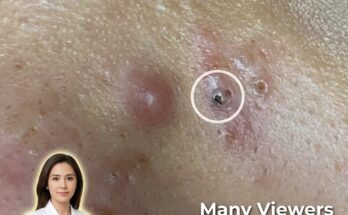
Sebum oxidation is a central process in the formation and appearance of blackheads, a common form of comedonal acne. Blackheads, also known as open comedones, develop when excess sebum and dead skin cells accumulate inside a hair follicle and form a plug. Unlike whiteheads, the follicular opening in blackheads remains exposed to air. When the mixture of lipids within sebum comes into contact with oxygen, chemical changes occur. This oxidation alters the composition and color of the material within the pore, turning it darker and contributing to the characteristic black surface. The dark color is not dirt, but rather oxidized lipids and melanin within the clogged pore.
Sebum itself is a complex mixture of triglycerides, wax esters, squalene, and free fatty acids produced by sebaceous glands. In individuals with oily skin or increased androgen activity, sebum production may be elevated. When combined with abnormal follicular keratinization, a process in which dead skin cells do not shed efficiently, the follicle becomes more prone to blockage. Within this enclosed environment, sebum components such as squalene are particularly susceptible to oxidation. Oxidized squalene has been shown to promote inflammation and may further disrupt the normal lining of the follicle, reinforcing the cycle of clogged pores and acne formation.
Several internal and external factors can influence the degree of sebum oxidation. Hormonal fluctuations, particularly those involving androgens, can increase oil production and indirectly raise the likelihood of comedone formation. Environmental exposures such as ultraviolet radiation and air pollution generate reactive oxygen species that may accelerate lipid oxidation on the skin’s surface. Skincare habits also play a role. Inadequate cleansing can allow oxidized debris to accumulate, while overly harsh cleansing or aggressive exfoliation may impair the skin barrier and trigger compensatory oil production. Certain heavy or occlusive cosmetic products may further trap sebum within pores, contributing to blackhead formation in acne-prone individuals.
Management strategies for blackheads often focus on reducing excess sebum, normalizing cell turnover, and minimizing oxidation within the follicle. Topical retinoids are commonly recommended because they help regulate follicular keratinization, preventing the formation of new comedones and promoting the gradual clearing of existing ones. Salicylic acid, a beta hydroxy acid, penetrates into oil-filled pores and assists with exfoliation inside the follicle, which may help dislodge oxidized material. Benzoyl peroxide is more frequently associated with inflammatory acne, but its antimicrobial and mild keratolytic properties can sometimes support broader acne control. Ingredients with antioxidant properties, such as niacinamide, may help reduce oxidative stress on the skin while also supporting barrier function and moderating oil production.
Professional treatments can also be considered when blackheads are persistent. Dermatologists may perform controlled comedone extractions, chemical peels using salicylic acid or other exfoliating agents, or prescribe stronger topical retinoids. These approaches aim to address the underlying biology of clogged pores rather than simply removing visible debris. For individuals with significant oily skin or recurrent comedonal acne, a tailored regimen developed with a qualified professional may provide more consistent and sustainable improvement.
It is important to maintain realistic expectations when addressing sebum oxidation and blackheads. Even with consistent use of appropriate skincare ingredients, improvement is typically gradual because the skin’s renewal cycle takes several weeks. Overuse of exfoliating products in an attempt to rapidly clear pores can irritate the skin and potentially worsen acne by disrupting barrier integrity. Persistent, widespread, or treatment-resistant acne should be evaluated by a dermatologist to rule out contributing factors and to discuss individualized therapy options. Educational content on acne and pore care, developed according to professional dermatology standards, emphasizes that effective management relies on understanding the biological processes involved and applying evidence-informed treatments consistently over time.