When we think about the world around us, we often overlook the intricate dance of elements and compounds that shape our everyday lives.
Chemistry, in its many forms, is the foundation of everything we touch, taste, and feel.
Among the various branches of chemistry, organic and inorganic chemistry stand out as two fascinating realms, each with its unique characteristics and significance.
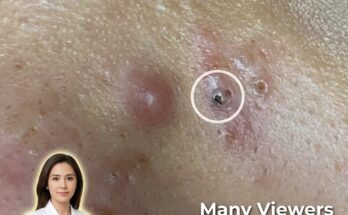
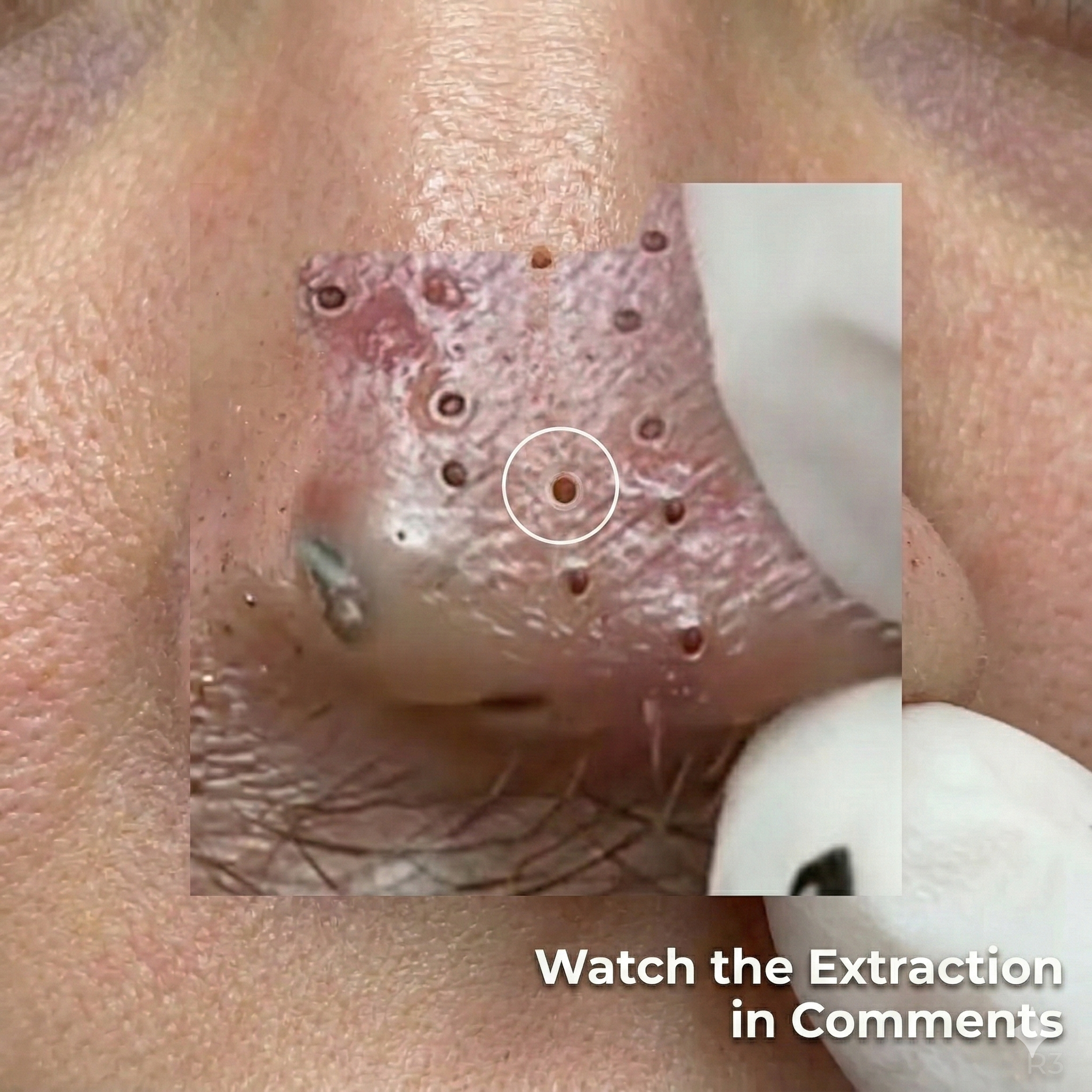
Azelaic acid is a naturally occurring dicarboxylic acid that plays a multifaceted role in acne management by targeting several core mechanisms involved in the formation of clogged pores and inflammatory lesions. Acne begins at the level of the hair follicle, where excess sebum production and abnormal follicular keratinization lead to the accumulation of dead skin cells inside the pore. This environment supports the proliferation of Cutibacterium acnes and promotes inflammation. Azelaic acid is commonly used because it helps normalize keratinization within the follicle, reducing the formation of microcomedones, which are the earliest precursors of blackheads and whiteheads. It also has antimicrobial and anti-inflammatory properties, making it particularly useful in both comedonal acne and mild to moderate inflammatory acne.
One of the distinguishing features of azelaic acid is its ability to address multiple acne-related pathways without significantly disrupting the skin barrier. Unlike some stronger exfoliating acids, azelaic acid works more gradually to reduce the buildup of keratin inside pores. By helping to regulate the shedding of skin cells, it may reduce the likelihood of compacted debris forming visible comedones. In individuals with oily skin, where increased sebum production contributes to pore congestion, azelaic acid can indirectly support clearer pores by limiting the inflammatory cascade that often worsens breakouts. Its antibacterial activity further reduces microbial triggers that can convert a clogged pore into a red, inflamed lesion.
Hormonal fluctuations, particularly androgens, can increase sebum output and make pores more prone to congestion. In these situations, azelaic acid may be helpful as part of a broader skincare routine that also includes ingredients such as retinoids, which normalize cell turnover, or salicylic acid, which penetrates oil and exfoliates within the pore. While benzoyl peroxide primarily targets acne-causing bacteria and niacinamide supports barrier function and oil regulation, azelaic acid offers a balanced approach that addresses inflammation, pigmentation, and comedone formation simultaneously. This makes it especially relevant for individuals experiencing both acne and post-inflammatory hyperpigmentation, as it can help reduce excess melanin production in affected areas.
Environmental factors and skincare habits also influence how effectively azelaic acid performs. Over-cleansing, harsh exfoliation, or the excessive use of strong actives can compromise the skin barrier, leading to irritation that may worsen acne. Because azelaic acid is generally well tolerated compared to many other active ingredients, it is often recommended for sensitive or rosacea-prone skin that is also acne-prone. However, mild tingling or dryness may occur, particularly during the initial weeks of use. Gradual introduction and consistent moisturizing can help maintain barrier integrity while allowing the ingredient to work effectively.
Over-the-counter formulations typically contain lower concentrations, while prescription-strength versions are available for more persistent acne. In clinical settings, dermatologists may combine azelaic acid with topical retinoids or oral therapies depending on acne severity. As with all acne treatments, visible improvement takes time. Since acne lesions form weeks before they become apparent on the skin surface, consistent use over several months is usually necessary to assess meaningful changes in pore clarity and inflammation.
Azelaic acid is not a cure for acne, and outcomes vary depending on hormonal influences, genetics, and adherence to a balanced skincare routine. Individuals with severe, scarring, or treatment-resistant acne should consult a qualified dermatologist for personalized care. When used appropriately within an evidence-informed regimen, azelaic acid may help reduce clogged pores, calm inflammation, and support a clearer, more even complexion while maintaining respect for the skin’s barrier function.