Curiosity is the spark that ignites a lifelong love for learning.
It shapes our understanding of the world and fuels our desire to explore new ideas, cultures, and experiences.
As teachers, the role of nurturing this curiosity in students is both an art and a responsibility.
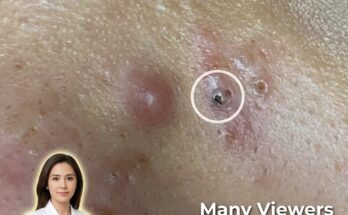
Papules, pustules, and comedones represent different stages and expressions of acne development, each reflecting distinct biological processes within the pilosebaceous unit. Acne begins with follicular keratinization, a process in which dead skin cells do not shed normally and instead accumulate inside the pore. When these cells mix with sebum produced by sebaceous glands, a clogged pore forms. If this blockage remains non-inflamed, it presents as a comedone. When inflammation develops within the follicle due to immune responses and bacterial activity, the lesion may evolve into a papule or pustule. Understanding these differences is essential for selecting appropriate skincare ingredients and treatment strategies.
Comedones are considered the earliest visible stage of acne. They form when excess sebum and keratinized cells obstruct the follicle without significant inflammation. Open comedones, commonly known as blackheads, appear dark because the trapped material oxidizes when exposed to air, not because of dirt. Closed comedones, often referred to as whiteheads, remain covered by a thin layer of skin, creating small flesh-colored or white bumps. These lesions are characteristic of comedonal acne and are particularly common in individuals with oily skin or increased sebum production influenced by androgens. Genetics, environmental factors such as humidity, and the use of occlusive or pore-clogging skincare products can contribute to their formation.
Papules develop when a clogged pore becomes inflamed. In this stage, the follicle wall may become irritated or rupture microscopically, triggering an immune response. The area becomes red, swollen, and tender, but no visible pus is present. Papules reflect inflammatory acne and indicate that the body is actively responding to bacteria such as Cutibacterium acnes within the pore. Friction, harsh exfoliation, overuse of active ingredients, and disruption of the skin barrier can worsen inflammation and increase the likelihood of papule formation. Hormonal fluctuations may also intensify inflammatory lesions by stimulating additional sebum production.
Pustules are similar to papules but contain visible purulent material composed of inflammatory cells and debris. They appear as red bumps with a white or yellow center and are often mistaken as a separate condition, though they represent a progression of inflammatory acne. The presence of pus does not necessarily indicate infection in the traditional sense, but rather an immune-mediated response within the follicle. Picking or squeezing pustules can increase the risk of post-inflammatory hyperpigmentation or scarring, especially in individuals prone to prolonged inflammation.
Treatment approaches vary depending on whether lesions are primarily comedonal or inflammatory. For comedones and clogged pores, ingredients that normalize cell turnover are often recommended. Topical retinoids may help regulate follicular keratinization and prevent microcomedone formation, making them a cornerstone in acne management. Salicylic acid, a beta hydroxy acid, penetrates into the pore and may assist in dissolving excess sebum and debris. Gentle cleansing that supports the skin barrier without stripping natural lipids can also reduce the accumulation of dead skin cells. Niacinamide may help regulate oil production and support barrier function, making it useful for individuals with oily skin prone to blackheads and whiteheads.
For papules and pustules, anti-inflammatory and antimicrobial strategies are commonly incorporated. Benzoyl peroxide is often used to reduce bacterial load within the follicle and may help decrease inflammatory lesions. Azelaic acid may provide both anti-inflammatory and comedolytic benefits while also addressing post-inflammatory discoloration. In moderate to severe cases, dermatologists may recommend prescription retinoids, topical antibiotics, hormonal therapies, or oral medications depending on the individual’s clinical presentation. The choice of treatment typically considers lesion type, skin sensitivity, and overall acne severity.
It is important to set realistic expectations when treating acne lesions. Comedones may take several weeks to improve as cell turnover normalizes, and inflammatory papules or pustules may temporarily worsen before stabilizing with appropriate therapy. Overly aggressive exfoliation or combining multiple active ingredients without guidance can impair the skin barrier and contribute to additional breakouts. Consistency, gradual introduction of actives, and sun protection are essential components of a long-term skincare approach.
While papules, pustules, and comedones differ in appearance and underlying inflammation, they share a common origin in the clogged pore. Early and evidence-based management can help reduce progression from non-inflammatory comedones to more inflamed lesions. Individuals with persistent, painful, or scarring acne are encouraged to consult a qualified dermatologist for personalized care. Educational content grounded in acne biology and ingredient science, as outlined in professional editorial standards, supports informed decision-making and promotes safer, more effective skincare practices over time.