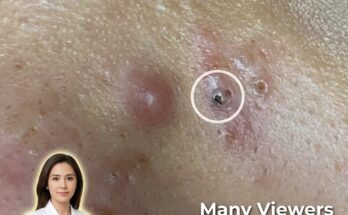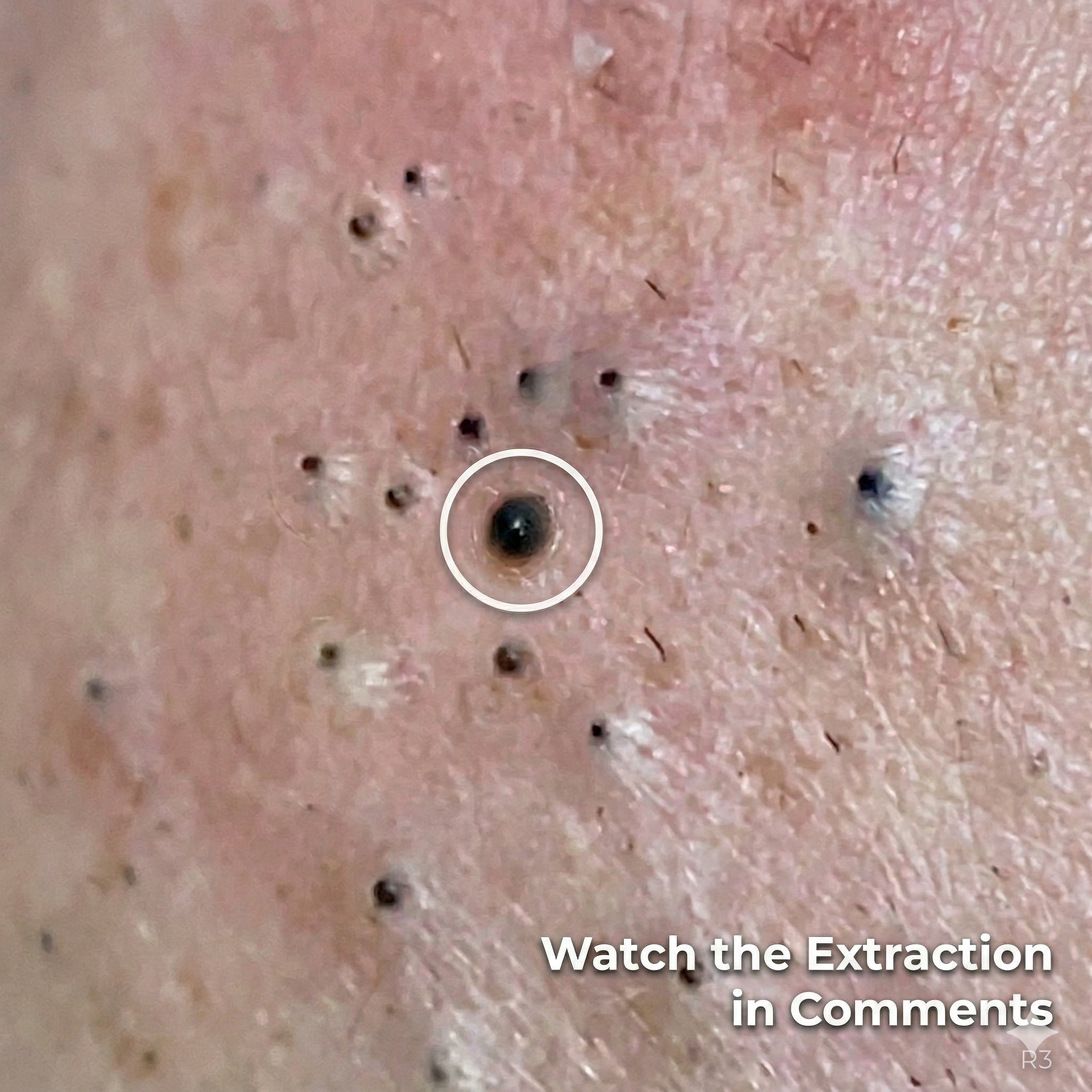
Video 1
Video 2
Video 3
Hormonal breakouts along the jawline are closely linked to fluctuations in androgen hormones, which directly influence sebum production within the sebaceous glands. Androgens, including testosterone and its more potent derivative dihydrotestosterone, stimulate oil glands to produce more sebum. When excess oil combines with dead skin cells inside the hair follicle, it can contribute to clogged pores and the formation of comedones. In the jawline area, these lesions often develop deeper beneath the skin surface and may appear as tender, inflammatory papules or cyst-like nodules rather than superficial blackheads or whiteheads.
The lower face, particularly the jaw and chin, contains sebaceous glands that can be especially responsive to hormonal shifts. This is why breakouts in this region are commonly observed before menstruation, during periods of significant stress, or in conditions associated with elevated androgen activity such as polycystic ovary syndrome. Even individuals who do not typically experience widespread acne may notice recurrent lesions localized to this area. These breakouts are often cyclical and may feel painful because inflammation occurs deeper within the follicle wall.
While hormones play a central role, additional factors can influence the severity of jawline acne. Genetic predisposition can determine how sensitive the sebaceous glands are to circulating hormones. Stress may indirectly contribute by influencing cortisol levels, which can interact with oil production and inflammation. Occlusive skincare products, heavy moisturizers, or makeup that traps oil around the lower face may further promote pore congestion. Frequent touching of the jawline, resting the chin on hands, or friction from phone screens and mask-wearing can also aggravate already inflamed follicles.
From a treatment perspective, topical retinoids are often recommended because they help normalize follicular keratinization and reduce the formation of clogged pores. By promoting cell turnover, retinoids may decrease both inflammatory lesions and comedonal acne over time. Salicylic acid can support this process by penetrating into oil-filled pores and assisting with exfoliation, while benzoyl peroxide may help reduce acne-causing bacteria and inflammation. Niacinamide is sometimes included in skincare routines to support the skin barrier and calm visible redness without increasing irritation.
For persistent hormonal breakouts, dermatology-guided treatments may be considered. Certain oral contraceptives and anti-androgen medications are commonly used in appropriate patients to help regulate hormone-driven sebum production. In some cases, oral antibiotics may be prescribed short term to reduce inflammation, though they are generally not intended as a long-term solution. Treatment plans should be individualized, particularly when breakouts are painful, recurrent, or associated with other hormonal symptoms.
It is important to maintain realistic expectations. Hormonal acne often improves gradually rather than immediately, and consistent use of evidence-based skincare ingredients is typically required for several weeks before noticeable changes occur. Overwashing, aggressive exfoliation, or frequent switching of products may disrupt the skin barrier and worsen inflammation. Individuals experiencing severe, scarring, or emotionally distressing acne are encouraged to consult a qualified healthcare professional for personalized evaluation and management.