In the great tapestry of life on Earth, one of the most fascinating yet often overlooked threads is the world of microbial life in water.
From the tiniest droplets in a serene pond to the vast expanses of the ocean, microorganisms play a role that is both essential and enchanting.
Their presence invites us to explore the unseen wonders that contribute to the balance of our ecosystems and, ultimately, our well-being.
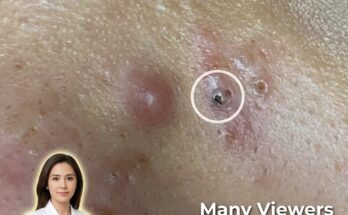
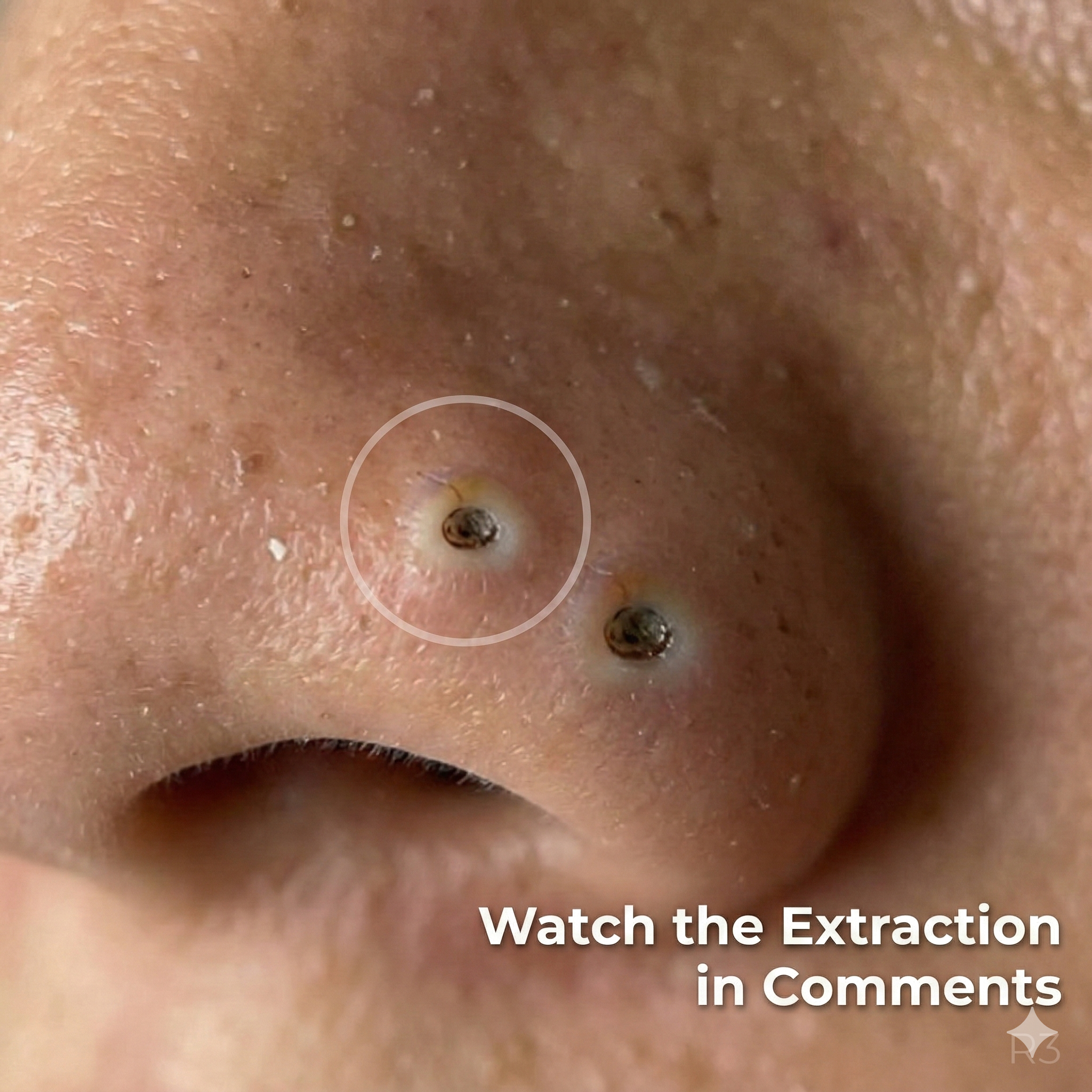
Building an evidence-based acne skincare routine begins with understanding how acne develops at the biological level. Acne is primarily a disorder of the pilosebaceous unit, which includes the hair follicle and its associated sebaceous gland. Excess sebum production, abnormal follicular keratinization, and the accumulation of dead skin cells can lead to clogged pores. These clogged pores form microcomedones, which may progress into visible blackheads, whiteheads, or inflamed acne lesions. Cutibacterium acnes bacteria can proliferate within these blocked follicles, contributing to inflammation. An effective routine is therefore designed to address oil regulation, pore congestion, bacterial activity, and inflammation while maintaining the integrity of the skin barrier.
Several internal and external factors influence this process. Hormonal fluctuations, particularly androgens, can increase sebum production and contribute to oily skin and enlarged-looking pores. Genetic predisposition may influence both oil output and inflammatory response. Skincare habits also play a significant role; overwashing, harsh exfoliation, or using heavy occlusive products may disrupt barrier function and worsen irritation, which can aggravate acne. Environmental influences such as humidity, pollution, and friction from masks or tight clothing can further contribute to clogged pores and breakouts. An evidence-based routine accounts for these variables and prioritizes consistency over aggressive treatment.
Cleansing is the foundation of an acne skincare routine. A gentle, non-comedogenic cleanser used twice daily is commonly recommended to remove excess sebum, debris, and sunscreen without stripping the skin. Overly harsh cleansers can impair the skin barrier, potentially triggering rebound oil production and increased sensitivity. For individuals with oily or comedonal acne, cleansers containing salicylic acid may help support exfoliation within the pore lining, as this beta hydroxy acid is oil-soluble and can penetrate into clogged follicles.
Targeted treatment ingredients form the core of evidence-based acne management. Topical retinoids are widely regarded as first-line therapy because they help normalize follicular keratinization, reduce microcomedone formation, and support long-term prevention of blackheads and whiteheads. Over-the-counter retinoids such as adapalene are commonly used for mild to moderate acne. Benzoyl peroxide may help reduce inflammatory lesions by decreasing bacterial load and limiting antibiotic resistance when used appropriately. Salicylic acid can support exfoliation and improve comedonal acne, while niacinamide may help regulate sebum activity and reduce visible redness due to its anti-inflammatory properties. These ingredients are typically introduced gradually to minimize irritation and preserve barrier function.
Moisturization remains essential even for oily skin. A lightweight, non-comedogenic moisturizer helps maintain barrier integrity, reducing the risk of irritation from active treatments such as retinoids or benzoyl peroxide. When the barrier is compromised, inflammation may increase, potentially worsening breakouts. Sunscreen is also a critical component of any routine. Many acne treatments increase photosensitivity, and ultraviolet exposure can contribute to post-inflammatory hyperpigmentation following acne lesions. Broad-spectrum sunscreen use supports both skin health and cosmetic outcomes.
For individuals with persistent, scarring, or severe acne, professional dermatologic evaluation is often appropriate. Prescription-strength retinoids, oral medications, hormonal therapies, or procedural interventions may be recommended based on clinical assessment. Evidence-based skincare routines can significantly support acne management, but they may need to be combined with medical treatment depending on severity and underlying hormonal factors.
Realistic expectations are essential when building an acne routine. Most topical treatments require several weeks to show visible improvement because they work by influencing the skin’s renewal cycle and preventing new comedones from forming. Temporary dryness or mild irritation can occur during the adjustment period. Consistency, gradual introduction of active ingredients, and avoidance of excessive product layering often improve tolerability. Acne is a chronic inflammatory condition for many individuals, and management rather than cure is the appropriate framework. Consulting a qualified healthcare professional is advisable for ongoing or worsening symptoms.