Understanding Organic and Inorganic Chemistry
When we think about the world around us, we often overlook the intricate dance of elements and compounds that shape our everyday lives.
Chemistry, in its many forms, is the foundation of everything we touch, taste, and feel.
Among the various branches of chemistry, organic and inorganic chemistry stand out as two fascinating realms, each with its unique characteristics and significance.
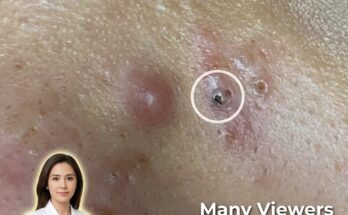
Clogged pores develop when excess sebum mixes with dead skin cells inside the hair follicle, forming a plug that can become a blackhead, whitehead, or an early acne lesion. This process begins with abnormal follicular keratinization, in which skin cells do not shed efficiently and instead accumulate within the pore. Increased sebum production, often influenced by hormones, provides a lipid-rich environment that can further thicken the blockage. When bacteria proliferate within this closed environment, inflammation may follow. Any remedy aimed at improving clogged pores must therefore address oil regulation, controlled exfoliation, and maintenance of the skin barrier.
Natural remedies are frequently promoted for blackheads and congested pores, but their effectiveness varies depending on the mechanism involved. Ingredients such as tea tree oil have demonstrated mild antimicrobial and anti-inflammatory properties in some clinical studies. Because inflammation plays a role in acne progression, diluted tea tree oil may provide limited benefit for inflammatory lesions. However, it does not directly normalize follicular keratinization in the way retinoids do, and its potency can vary significantly depending on formulation and concentration. Undiluted essential oils may irritate the skin, potentially worsening barrier dysfunction and triggering more breakouts.
Clay masks, including kaolin and bentonite, are also commonly categorized as natural remedies. These clays can absorb surface oil and temporarily reduce shine, which may improve the appearance of pores in individuals with oily skin. By reducing excess sebum at the surface, they may help limit conditions that contribute to clogged pores. However, they do not penetrate deeply into the follicle to dissolve compacted debris. Overuse can lead to dryness and irritation, which may stimulate compensatory oil production in some individuals.
Honey is often discussed for its antimicrobial properties. Medical-grade honey has demonstrated wound-healing and antibacterial activity, but the evidence supporting raw honey as a reliable treatment for comedonal acne remains limited. While it may soothe irritated skin due to its humectant properties, it does not significantly influence the underlying process of microcomedone formation. Similarly, aloe vera may calm redness but does not directly clear blackheads or normalize pore turnover.
Exfoliation is frequently attempted with natural scrubs such as sugar, salt, or ground seeds. While mechanical exfoliation can remove superficial dead skin cells, abrasive particles may cause microtears in the skin and exacerbate inflammation. Because clogged pores originate within the follicle, chemical exfoliants such as salicylic acid are generally more effective. Salicylic acid is oil-soluble and can penetrate into pores to help dissolve debris, whereas most natural scrubs act only on the surface. Over-exfoliation, whether natural or synthetic, can disrupt the skin barrier and worsen acne.
Apple cider vinegar is sometimes recommended as a natural toner due to its acidity. Although mild acids can support exfoliation, unregulated concentrations may cause irritation or chemical burns. In contrast, formulated products containing alpha hydroxy acids or beta hydroxy acids are carefully balanced for pH and stability, making them more predictable and safer for routine use. Evidence-based skincare relies on controlled formulations to ensure both efficacy and tolerability.
When evaluating natural remedies for clogged pores, it is important to distinguish between ingredients that offer supportive benefits and those that directly target acne pathophysiology. Retinoids help normalize follicular keratinization and reduce the formation of new comedones. Benzoyl peroxide decreases bacterial load and inflammation. Niacinamide may help regulate sebum production and calm redness. These ingredients are supported by robust clinical research and are commonly recommended in dermatology guidelines. Natural remedies may complement a routine in some cases, particularly for mild congestion, but they rarely replace proven treatments for persistent acne.
Realistic expectations are essential. Clogged pores develop gradually beneath the skin surface, and improvement typically requires consistent, long-term management rather than quick fixes. Some natural ingredients may soothe or temporarily reduce oiliness, but they are unlikely to provide sustained clearance of blackheads or whiteheads on their own. Individuals with ongoing or worsening acne may benefit from consultation with a qualified healthcare professional to develop a personalized, evidence-based skincare plan.