When we think about the world around us, we often overlook the intricate dance of elements and compounds that shape our everyday lives.
Chemistry, in its many forms, is the foundation of everything we touch, taste, and feel.
Among the various branches of chemistry, organic and inorganic chemistry stand out as two fascinating realms, each with its unique characteristics and significance.
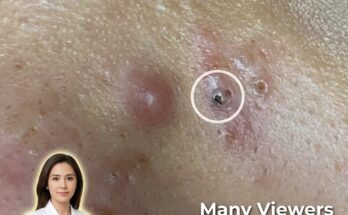
Acne develops within the pilosebaceous unit, where sebum production, follicular keratinization, microbial activity, and inflammation interact. The skin microbiome, which consists of bacteria, fungi, and other microorganisms that naturally inhabit the skin surface and follicles, plays an important role in this process. Among these organisms, Cutibacterium acnes is frequently discussed in acne research. This bacterium is a normal resident of healthy skin, but certain strains may contribute to inflammation when trapped within clogged pores. Rather than acne being caused simply by the presence of bacteria, current evidence suggests that shifts in microbial balance, known as dysbiosis, can influence how the immune system responds inside the follicle.
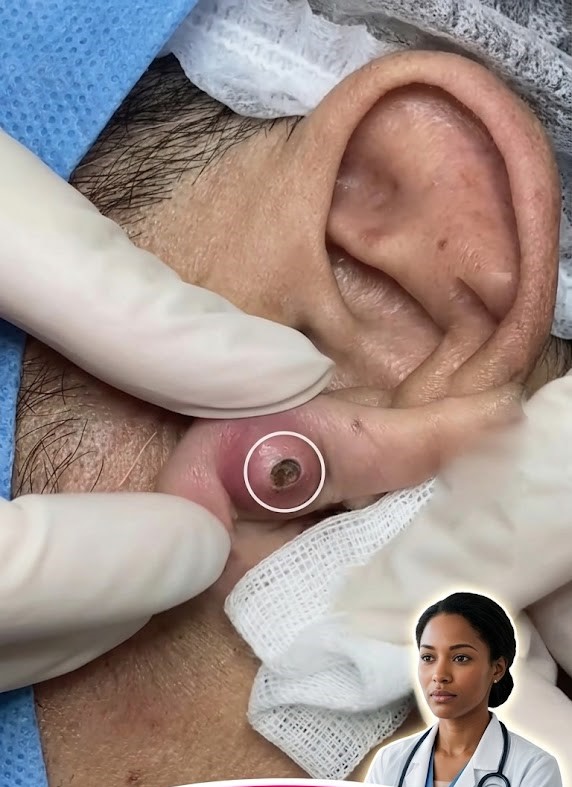
In acne-prone skin, excess sebum creates an oxygen-poor environment within the pore that supports the growth of Cutibacterium acnes. At the same time, abnormal shedding of skin cells can lead to microcomedone formation, blocking the follicular opening. When specific bacterial strains proliferate within this enclosed space, they may release enzymes and inflammatory mediators that stimulate the immune system. This inflammatory cascade contributes to the redness, swelling, and tenderness seen in papules and pustules. Research indicates that it is not necessarily the quantity of bacteria alone, but the diversity and strain composition of the microbiome that may influence acne severity.
Other members of the skin microbiome also appear relevant. Staphylococcus epidermidis, for example, may have protective functions under balanced conditions. Reduced microbial diversity has been observed in some individuals with acne, suggesting that maintaining a stable ecosystem may be beneficial for skin health. Factors such as harsh cleansers, frequent exfoliation, inappropriate antibiotic use, and environmental stressors can disrupt this balance. Overly aggressive skincare routines may weaken the skin barrier and alter microbial populations, potentially worsening inflammation and increasing susceptibility to clogged pores and comedones.
Hormones further influence the relationship between acne and the microbiome. Androgens stimulate sebaceous glands to produce more oil, which changes the follicular environment and may shift microbial activity. Genetic predisposition can affect both immune response and barrier function, altering how the skin reacts to otherwise normal microbial residents. Diet, stress, and climate may also contribute indirectly by affecting oil production and immune regulation, which in turn shape microbial behavior within pores.
Evidence-based acne treatments often target microbial and inflammatory pathways. Benzoyl peroxide is commonly used because it reduces Cutibacterium acnes levels without promoting antibiotic resistance. Topical and oral antibiotics may help decrease inflammatory lesions, but their use is generally recommended for limited durations to minimize disruption of the broader microbiome. Retinoids work differently by normalizing follicular keratinization, preventing microcomedones from forming and indirectly limiting the environment in which bacteria thrive. Salicylic acid assists with exfoliation inside oily pores, which may help reduce blockage and microbial overgrowth. Niacinamide is frequently included in skincare formulations for its anti-inflammatory properties and potential support of barrier function.
Emerging research has explored probiotics, prebiotics, and microbiome-friendly skincare, but these approaches remain an evolving area of study. While early findings suggest that supporting microbial balance may help reduce inflammation, standardized clinical guidelines are still developing. At present, maintaining a gentle skincare routine that protects the barrier while incorporating proven acne treatments remains the most evidence-informed strategy.
Acne is therefore not simply an infection, but a multifactorial condition influenced by sebum production, pore blockage, immune response, and shifts in the skin microbiome. Understanding this interplay helps explain why balanced, gradual treatment approaches are often more effective than aggressive attempts to eliminate bacteria entirely. Individuals with persistent or severe acne should seek guidance from a qualified dermatologist to determine an appropriate treatment plan tailored to their skin biology and overall health.