In recent years, there has been a growing interest in natural energy sources, not only for their environmental benefits but also for their potential to enhance our well-being.
As we navigate through a world that increasingly leans on technology, it’s refreshing to explore how nature itself can provide us with energy that is both sustainable and nourishing.
Understanding the science behind these natural energy sources can help us appreciate their role in our lives and inspire us to integrate them into our daily routines.
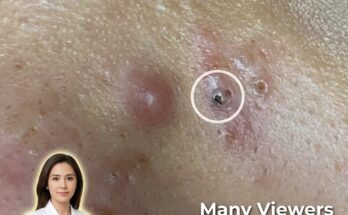
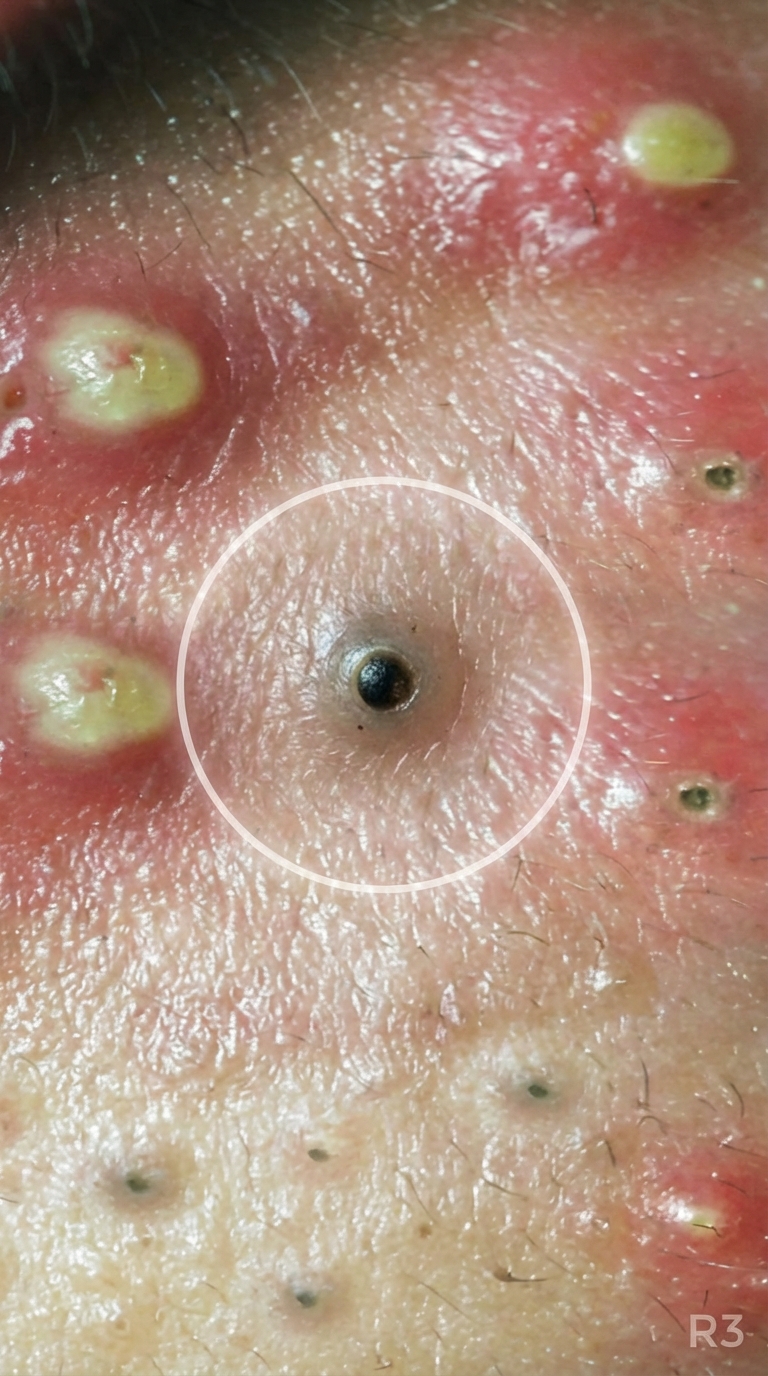
Acne frequently develops on the T-zone, which includes the forehead, nose, and chin, because this region contains a higher density of sebaceous glands compared to other areas of the face. Sebaceous glands produce sebum, an oily substance that helps maintain skin hydration and barrier function. In acne-prone individuals, increased sebum production combined with abnormal follicular keratinization can lead to clogged pores. When dead skin cells do not shed properly and instead accumulate within the follicle, they mix with oil and form microcomedones, the earliest stage of acne. These microcomedones may evolve into blackheads, whiteheads, or inflammatory lesions depending on the surrounding environment within the pore.
The T-zone tends to produce more oil due to greater sebaceous gland activity and increased responsiveness to androgens, the hormones that stimulate sebum production. During adolescence, hormonal fluctuations often amplify this activity, which explains why many teenagers develop comedonal acne across the forehead and nose. However, adults may also experience persistent T-zone breakouts, particularly if they have naturally oily skin or a genetic predisposition to higher sebum output. Because pores in this area are often larger and more visible, they may be more prone to congestion when excess oil accumulates.
Environmental and behavioral factors can further contribute to acne on the T-zone. Frequent touching of the face, wearing hats or helmets, and allowing sweat to remain on the skin may increase the risk of clogged pores and inflammation in this region. Overuse of heavy moisturizers or occlusive makeup products can also trap oil within the follicles, particularly on the nose and chin. At the same time, overwashing or using harsh cleansers in an attempt to control shine can disrupt the skin barrier, potentially leading to irritation and compensatory increases in oil production.
The microbial environment of the T-zone also plays a role. Cutibacterium acnes, a bacterium naturally present within hair follicles, can proliferate in oil-rich environments. When trapped sebum and keratin create an anaerobic setting within the pore, this bacterium may contribute to inflammation, leading to red papules or pustules. In some individuals, inflammation may extend deeper into the follicle, resulting in more persistent lesions.
Management strategies often focus on regulating oil production, normalizing cell turnover, and supporting the skin barrier. Salicylic acid is commonly used for T-zone acne because it is oil-soluble and can penetrate into pores to help dissolve excess sebum and debris. Retinoids, including over-the-counter retinol and prescription-strength formulations, help reduce microcomedone formation by improving follicular keratinization. Benzoyl peroxide may help reduce inflammatory lesions by targeting acne-associated bacteria. Niacinamide is frequently included in skincare formulations to help support barrier function and reduce visible oiliness without causing excessive dryness.
Consistency is important, as acne treatments typically require several weeks before visible improvement occurs. Introducing active ingredients gradually may help minimize irritation, especially in individuals using retinoids or benzoyl peroxide. For persistent, severe, or hormonally influenced acne that primarily affects the T-zone, consultation with a qualified healthcare professional may help determine whether prescription therapies or additional interventions are appropriate.
Although the T-zone is naturally more oil-prone, effective and balanced skincare can help reduce the frequency and severity of breakouts over time. Because acne development involves multiple factors including hormones, genetics, skin barrier health, and environmental influences, individualized approaches tend to produce the most sustainable results.