Water is often described as the essence of life, a vital component that shapes our planet and influences our daily experiences.
The chemistry of water, particularly in oceans and seas, is a fascinating subject that intertwines science with the beauty of nature.
As we explore the chemistry in water and oceans, we begin to appreciate not just the scientific principles but also the delicate balance that sustains life in these vast bodies of water.
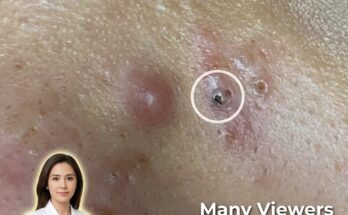
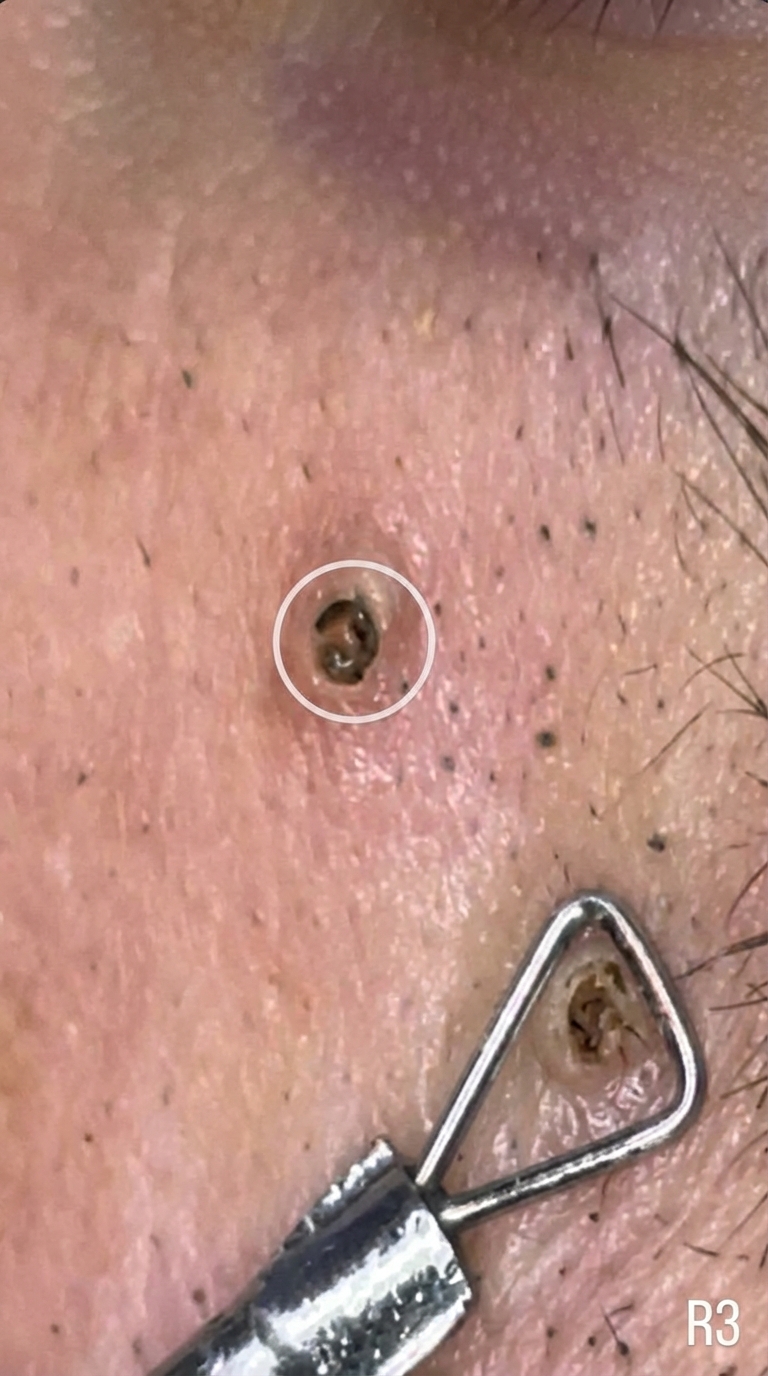
Humidity and climate can significantly influence the biological processes that contribute to acne development. Acne begins within the hair follicle, where excess sebum production combines with dead skin cells in a process known as follicular keratinization. When this mixture becomes trapped inside the pore, it forms microcomedones, which can develop into blackheads, whiteheads, or inflammatory lesions. Environmental humidity affects both sebum behavior and the skin barrier. In high-humidity environments, increased moisture in the air may stimulate sebaceous gland activity in some individuals, contributing to oilier skin and a greater likelihood of clogged pores. In contrast, very dry climates can impair the skin barrier, leading to increased transepidermal water loss and compensatory sebum overproduction, which may also contribute to breakouts.
Warm, humid weather often increases sweating, and when sweat mixes with oil, sunscreen, or occlusive skincare products, it can create an environment that encourages pore congestion. Sweat itself does not cause acne, but if it remains on the skin for prolonged periods, it may contribute to irritation and inflammation, especially in acne-prone areas such as the forehead, chest, and back. Occlusion from tight clothing in humid conditions can further trap heat and moisture against the skin, increasing the risk of clogged pores and inflammatory acne lesions.
Climate also influences the integrity of the skin barrier. In cold or dry conditions, the barrier may become compromised, leading to irritation and low-grade inflammation. A disrupted barrier can alter the balance of the follicular environment and may worsen existing acne. Overwashing in response to oily skin during humid weather or dryness during winter can further destabilize the barrier, potentially increasing both oil production and sensitivity. Maintaining barrier function is therefore essential regardless of climate, particularly for individuals using active acne treatments such as retinoids or benzoyl peroxide, which can increase dryness and irritation.
Hormonal fluctuations remain a central driver of sebum production, but environmental factors may amplify their effects. For example, individuals with hormonally influenced acne may notice seasonal variations in breakout frequency. Genetics also determine how responsive sebaceous glands are to environmental changes. Some people naturally produce more sebum in humid climates, while others experience worsening comedonal acne during winter due to thicker moisturizers and reduced exfoliation.
Skincare habits often need to be adjusted based on climate. In humid environments, lightweight, non-comedogenic formulations may be better tolerated than heavy occlusive creams. Gel-based moisturizers containing ingredients such as niacinamide can help support the skin barrier while minimizing excess shine. Salicylic acid is commonly used in acne-prone skin because it penetrates into pores and helps dissolve excess oil and debris that contribute to blackheads and whiteheads. In persistently oily conditions, benzoyl peroxide may help reduce acne-causing bacteria and inflammation. Retinoids, including over-the-counter retinol and prescription-strength options, help normalize follicular keratinization and reduce microcomedone formation, making them useful in both humid and dry climates when introduced gradually.
In dry or cold climates, barrier-supportive ingredients such as ceramides, glycerin, and hyaluronic acid may help reduce irritation without excessively clogging pores when appropriately formulated. Using a gentle cleanser rather than harsh foaming formulas can help prevent barrier disruption that might otherwise worsen acne. Sunscreen remains important year-round, and choosing lightweight, non-comedogenic formulas may reduce the likelihood of pore congestion in humid weather.
Professional dermatologic treatments may be considered for persistent or severe acne that does not respond to topical skincare adjustments. These may include prescription retinoids, topical or oral medications, or in-office procedures tailored to the individual’s skin type and environment. Climate alone rarely causes acne, but it can influence its severity and presentation, making personalized treatment approaches important.
Ultimately, acne-prone skin often requires seasonal flexibility. What works during winter may need modification in summer, and vice versa. Improvements typically take several weeks as the skin adjusts to new products or environmental conditions. Because acne is influenced by multiple factors including hormones, genetics, skincare habits, and climate, consulting a qualified healthcare professional may help guide safe and effective long-term management.