In the intricate tapestry of life on Earth, animals exhibit a stunning array of senses that allow them to interact with their surroundings in ways that often surpass human capabilities.
From the keen eyesight of an eagle soaring high above to the delicate olfactory senses of a bloodhound on the trail, the world of animal senses is a realm of wonder.
Understanding these senses not only enriches our appreciation for the animal kingdom but also sheds light on the evolutionary paths that have shaped these remarkable creatures.
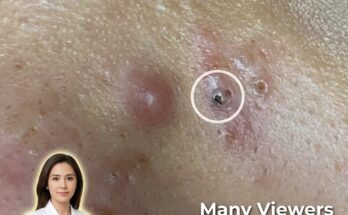
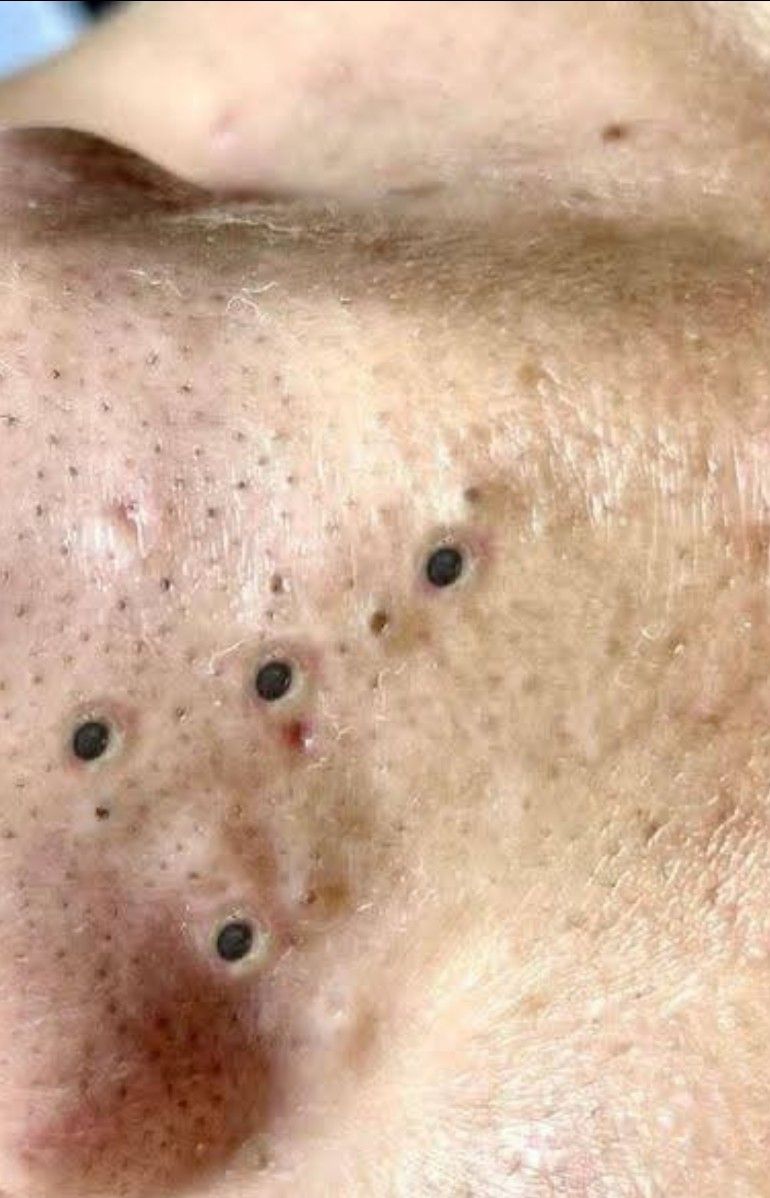
Blackheads develop when excess sebum and shed skin cells accumulate within a hair follicle and form a partially blocked pore. This process begins with increased sebum production from the sebaceous glands, combined with abnormal follicular keratinization in which dead skin cells are not shed efficiently. When this mixture becomes trapped but remains open to the air, oxidation of melanin and lipids causes the dark appearance characteristic of blackheads. Oily skin is more prone to this sequence because higher levels of sebum increase the likelihood that pores will become congested.
Sebum itself is not inherently harmful and plays an important role in maintaining skin barrier function. However, when oil production exceeds the skin’s ability to clear debris naturally, the follicular environment becomes more favorable for clogged pores. In individuals with oily skin, sebaceous glands tend to be larger and more active, often influenced by androgens. This increased oil flow can bind together corneocytes inside the pore, promoting the formation of comedones. Areas with a higher density of sebaceous glands, such as the nose, forehead, and chin, commonly show more visible blackheads.
Genetics, hormonal fluctuations, and environmental factors can all contribute to persistent oiliness. Adolescence is frequently associated with elevated androgen levels that stimulate sebum production, but adults may also experience oily skin due to hormonal changes, stress-related cortisol shifts, or inappropriate skincare practices. Over-cleansing or using harsh products may disrupt the skin barrier, leading to reactive oil production that paradoxically worsens congestion. Occlusive cosmetics or comedogenic ingredients can further increase the likelihood of pore blockage.
Evidence-informed skincare strategies focus on regulating oil production while supporting healthy exfoliation. Salicylic acid is commonly used because it is oil-soluble and can penetrate into pores to help loosen accumulated debris. Topical retinoids may help normalize follicular keratinization, reducing the formation of new blackheads over time. Niacinamide is often recommended to support barrier integrity and may help balance visible oiliness. Benzoyl peroxide is more frequently used for inflammatory acne but can be incorporated when blackheads coexist with papules or pustules.
Gentle cleansing twice daily with a non-comedogenic formula may help remove excess surface oil without stripping the skin. Consistent use of lightweight, oil-free moisturizers can maintain barrier function, which is important because dehydrated skin may respond with increased sebum output. Professional treatments such as chemical peels or comedone extraction performed by qualified providers may be considered for persistent congestion, though these approaches are typically adjunctive to a well-structured daily regimen.
Although oily skin is biologically more prone to blackheads due to increased sebum and a higher likelihood of clogged pores, effective management is possible with consistent, balanced skincare. Improvements typically occur gradually as the skin’s renewal cycle normalizes. Individuals with severe or resistant acne should consider consultation with a dermatologist to evaluate personalized treatment options and minimize the risk of scarring or long-term inflammation