Growth begins in the mind.
Long before we see changes in our careers, relationships, or personal achievements, the transformation starts with how we think.
A mindset that supports growth is not about being endlessly positive or ignoring challenges.
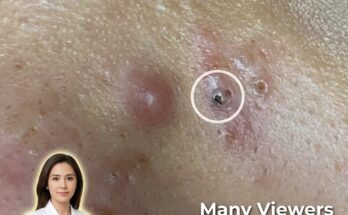
Double cleansing is based on a simple biochemical principle: oil dissolves oil. Human sebum is composed of triglycerides, wax esters, squalene, and free fatty acids. These lipids can bind to other oil-soluble substances such as sunscreen filters, makeup pigments, environmental pollutants, and excess sebum itself. In individuals with oily skin, increased sebaceous gland activity means more surface lipids accumulate throughout the day. If these substances are not effectively removed, they may combine with dead skin cells inside the follicle, contributing to clogged pores, blackheads, and comedonal acne.
The first step of double cleansing typically uses an oil-based cleanser or cleansing balm. These formulations are designed to bind to oil-soluble debris on the skin’s surface. When emulsified with water and rinsed away, they can lift away makeup, sunscreen, and oxidized sebum more efficiently than many water-based cleansers alone. This step may be particularly helpful for individuals who wear long-wear cosmetics or high-SPF products, both of which are formulated to resist water.
The second step involves a water-based cleanser, often a gentle gel or foaming formula. This cleanser removes residual impurities, sweat, and water-soluble debris while clearing away any remaining cleansing oils. For oily and acne-prone skin, water-based cleansers containing salicylic acid may help penetrate into pores and dissolve accumulated keratin and sebum. However, overly harsh foaming cleansers or frequent washing can disrupt the skin barrier, leading to increased transepidermal water loss and potential rebound oil production. Maintaining barrier integrity remains essential, even for oily skin.
Follicular keratinization plays a central role in acne development. When dead skin cells fail to shed properly inside the pore, they mix with sebum to form microcomedones. Double cleansing may reduce surface buildup that contributes to this process, but it does not directly normalize keratinocyte turnover within the follicle. For that reason, individuals with persistent clogged pores often benefit from additional treatments such as topical retinoids, which help regulate cell turnover, or leave-on salicylic acid formulations that target the pore lining more directly. Benzoyl peroxide may be incorporated when inflammatory lesions are present, as it helps reduce acne-associated bacteria.
Hormones also influence outcomes. Elevated androgen levels stimulate sebaceous glands, increasing oil output. In people with hormonally driven oily skin, even thorough cleansing will not eliminate the biological stimulus for sebum production. Genetics, climate, and skincare habits further modify how the skin responds. In humid environments, excess sweating combined with occlusive products may increase congestion, while in drier climates, excessive cleansing may aggravate irritation.
When practiced appropriately, double cleansing may support clearer pores without compromising the skin barrier. The oil cleanser should emulsify easily and rinse clean without leaving a heavy residue. The second cleanser should be mild, pH-balanced, and free of harsh surfactants that strip the skin. Individuals using retinoids, benzoyl peroxide, or exfoliating acids should monitor for dryness and adjust frequency accordingly. Double cleansing once daily in the evening is often sufficient; performing it twice daily may not provide additional benefit and could increase irritation.
Ultimately, double cleansing is a technique rather than a mandatory rule. For oily skin that regularly wears sunscreen or makeup, it may enhance removal of surface debris and reduce the risk of clogged pores. For those with minimal product use, a single well-formulated cleanser may be adequate. As with most acne-focused skincare strategies, results depend on consistent use, thoughtful product selection, and attention to barrier health. Persistent acne, recurrent blackheads, or worsening irritation should be evaluated by a qualified healthcare professional to ensure an individualized and evidence-based treatment plan.