Understanding Organic and Inorganic Chemistry
When we think about the world around us, we often overlook the intricate dance of elements and compounds that shape our everyday lives.
Chemistry, in its many forms, is the foundation of everything we touch, taste, and feel.
Among the various branches of chemistry, organic and inorganic chemistry stand out as two fascinating realms, each with its unique characteristics and significance.
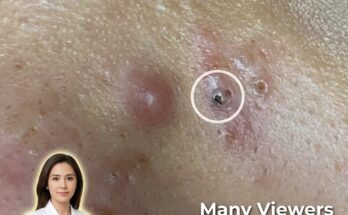
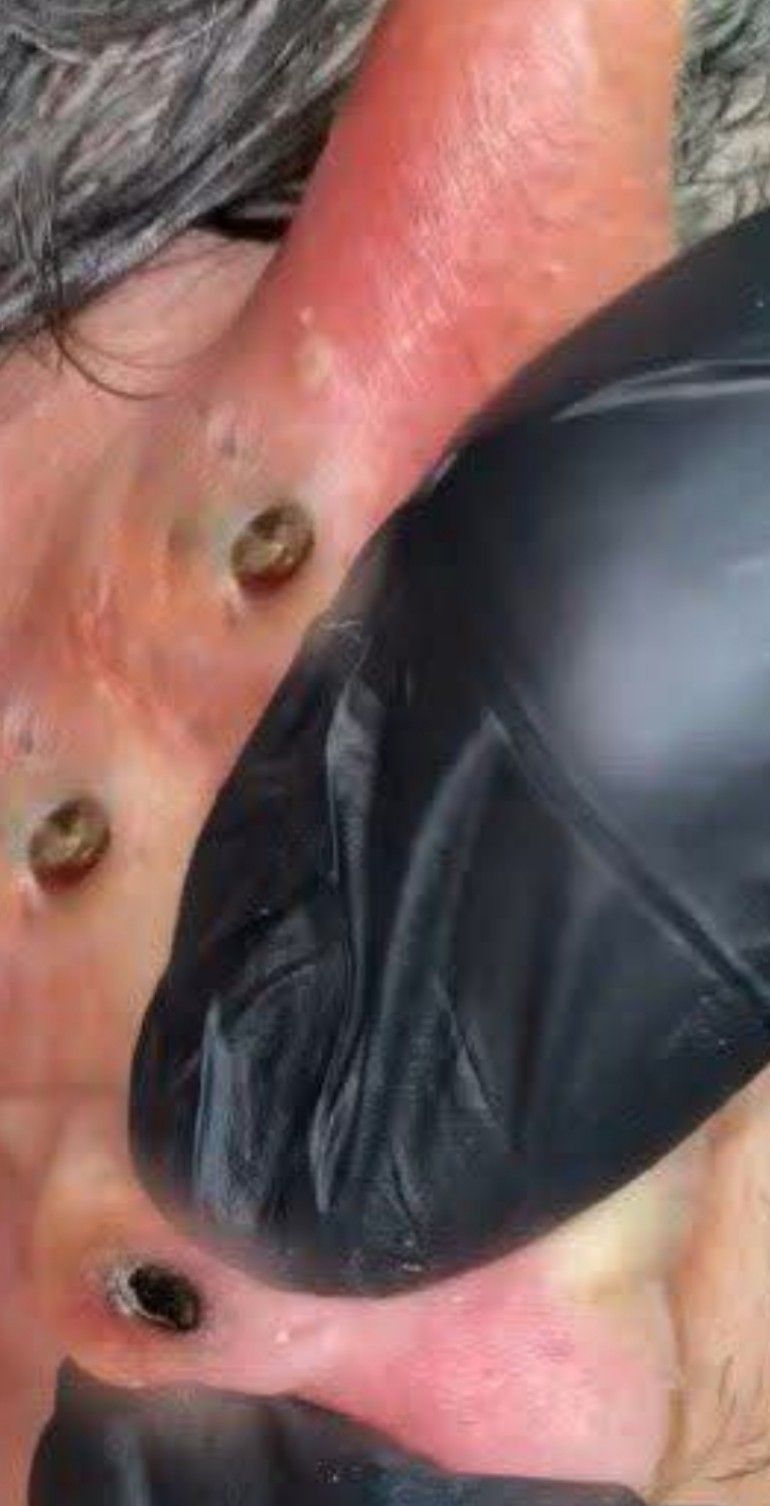
Acne develops through a combination of increased sebum production, abnormal follicular keratinization, bacterial overgrowth, and inflammation within the pilosebaceous unit. While these core mechanisms are present at any age, the biological drivers behind them differ significantly between teenagers and adults. During adolescence, rising androgen levels stimulate sebaceous glands to enlarge and produce more oil. Excess sebum mixes with dead skin cells that are not shedding properly, leading to clogged pores and the formation of comedones such as blackheads and whiteheads. Inflammatory lesions may follow when bacteria proliferate within these blocked follicles.
Teen acne is strongly influenced by hormonal surges associated with puberty. Androgens increase oil production, often resulting in visibly oily skin and congestion across the forehead, nose, and cheeks. Follicular keratinization tends to be more active during this phase, which can contribute to widespread clogged pores. Genetics also play a role, as a family history of acne may increase susceptibility. In teenagers, acne frequently presents as a mix of comedonal acne and inflammatory papules or pustules, often affecting larger surface areas of the face and sometimes the chest or back.
Adult acne, by contrast, often reflects more subtle but persistent hormonal fluctuations rather than dramatic hormonal spikes. In women, cyclical changes related to menstruation, pregnancy, or conditions such as polycystic ovarian syndrome may contribute to breakouts. Adult acne commonly appears along the lower face, jawline, and chin. The skin may not be uniformly oily; in many cases, adults experience combination or even dry skin with localized clogged pores. Skin barrier function may also be more fragile in adulthood, particularly if aggressive skincare practices or environmental stressors have compromised it. This can make inflammation more persistent and lesions slower to resolve.
Skincare habits further distinguish teen and adult acne patterns. Adolescents may under-cleanse or use comedogenic cosmetic products, while adults sometimes overuse exfoliating acids, retinoids, or harsh cleansers in an effort to control breakouts. Over-exfoliation can impair barrier integrity, leading to irritation that worsens redness and post-inflammatory hyperpigmentation. Environmental factors such as stress, sleep disruption, and occupational exposure may contribute more noticeably in adults, as chronic stress hormones can influence both oil production and inflammatory signaling in the skin.
Evidence-informed treatment approaches are generally similar in principle but require age-appropriate adjustments. Salicylic acid is commonly used to penetrate pores and support exfoliation, helping reduce blackheads and whiteheads. Benzoyl peroxide may help decrease acne-causing bacteria and reduce inflammatory lesions. Topical retinoids are often recommended because they normalize follicular keratinization and support long-term prevention of clogged pores. In adult skin, lower concentrations and gradual introduction of retinoids may be preferable to minimize irritation. Niacinamide can contribute to oil regulation while supporting barrier function, which is particularly helpful when the skin is sensitive or reactive.
Professional dermatologic treatments may be considered for persistent or moderate to severe acne in both age groups. Prescription retinoids, topical or oral antibiotics, hormonal therapies, and isotretinoin are options evaluated on an individual basis. Adults with hormonally influenced acne may benefit from therapies that address endocrine factors, whereas teens often respond well to consistent topical regimens combined with gentle cleansing habits. Regardless of age, treatment typically requires several weeks to months for visible improvement, as the acne cycle unfolds gradually beneath the skin’s surface.
Understanding the biological differences between teen acne and adult acne allows for more tailored skincare strategies. While both forms share core mechanisms involving sebum, clogged pores, and inflammation, hormonal patterns, skin barrier status, and lifestyle factors shape how acne presents and responds to treatment. Realistic expectations, consistent routines, and professional guidance for severe or scarring acne are important components of safe and effective management. Educational approaches grounded in acne biology and dermatology-based skincare practices remain central to long-term skin health