Online learning has opened doors for millions of people, making education more flexible, accessible, and personalized than ever before.
Students can learn at their own pace, choose subjects that truly interest them, and study from almost anywhere.
However, online learning also comes with challenges.
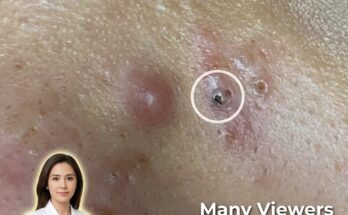
Acne develops within the pilosebaceous unit, where excess sebum production combines with abnormal shedding of keratinocytes inside the follicle. This process leads to clogged pores and the formation of microcomedones, which can progress into blackheads, whiteheads, or inflammatory lesions. Chemical exfoliants are often used to support more regular cell turnover and reduce pore congestion. Among the most widely discussed options are beta hydroxy acids and alpha hydroxy acids, which differ in structure, solubility, and depth of activity within the skin.
Beta hydroxy acids, most commonly represented by salicylic acid, are oil soluble. This property allows them to penetrate into lipid-rich pores, where they may help dissolve debris and loosen compacted dead skin cells. Because acne frequently involves excess sebum and clogged follicles, beta hydroxy acids are often recommended for oily skin and comedonal acne. Regular use may help reduce the appearance of blackheads and whiteheads and support clearer-looking pores over time. In addition to exfoliation, salicylic acid has mild anti-inflammatory properties, which may provide additional benefit in acne-prone skin.
Alpha hydroxy acids, such as glycolic acid and lactic acid, are water soluble and primarily act on the surface of the skin. They work by loosening the bonds between dead skin cells in the outermost layer, promoting smoother texture and more even tone. While they do not penetrate oil-filled pores as effectively as beta hydroxy acids, alpha hydroxy acids may still contribute to improved overall exfoliation and reduced buildup that can indirectly support acne management. They are often used to address post-acne discoloration and uneven skin texture, making them helpful in individuals who experience both breakouts and lingering marks.
The choice between beta hydroxy acids and alpha hydroxy acids often depends on skin type and acne pattern. Individuals with predominantly oily skin, visible clogged pores, and frequent blackheads may benefit more from a beta hydroxy acid-based product. Those with drier or more sun-damaged skin who are concerned about rough texture and superficial discoloration may find alpha hydroxy acids better suited to their needs. In some cases, dermatology-guided routines incorporate both types on alternating schedules to balance pore-focused exfoliation with surface renewal.
Other skincare ingredients may enhance the effectiveness of exfoliating acids. Topical retinoids are frequently recommended to normalize follicular keratinization and prevent new clogged pores from forming. Benzoyl peroxide may be introduced when inflammatory acne is present, targeting acne-associated bacteria and reducing redness. Niacinamide can support skin barrier function and may help regulate oil production, which is particularly relevant in acne-prone skin. Careful layering and gradual introduction are important, as combining multiple active ingredients can increase the risk of irritation.
Safety and consistency are essential when using chemical exfoliants. Overuse of alpha or beta hydroxy acids may compromise the skin barrier, leading to dryness, sensitivity, or reactive breakouts. Starting with lower concentrations and limiting application frequency allows the skin to adapt. Daily sunscreen use is important, especially with alpha hydroxy acids, as exfoliation may increase photosensitivity. While these ingredients can help improve the appearance of acne and clogged pores, results are typically gradual and depend on ongoing use. Individuals with persistent, severe, or treatment-resistant acne should consult a qualified healthcare professional for personalized guidance and consideration of prescription options.