Poetry has a unique power.
It can capture fleeting moments, stir deep emotions, and connect us to one another in ways that mere words often cannot.
When we sit down to write a poem, we embark on a journey that invites us to explore the depths of our feelings and the beauty of the world around us.
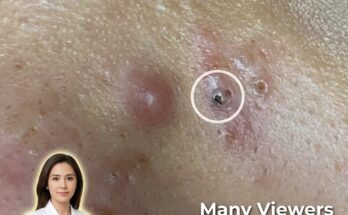
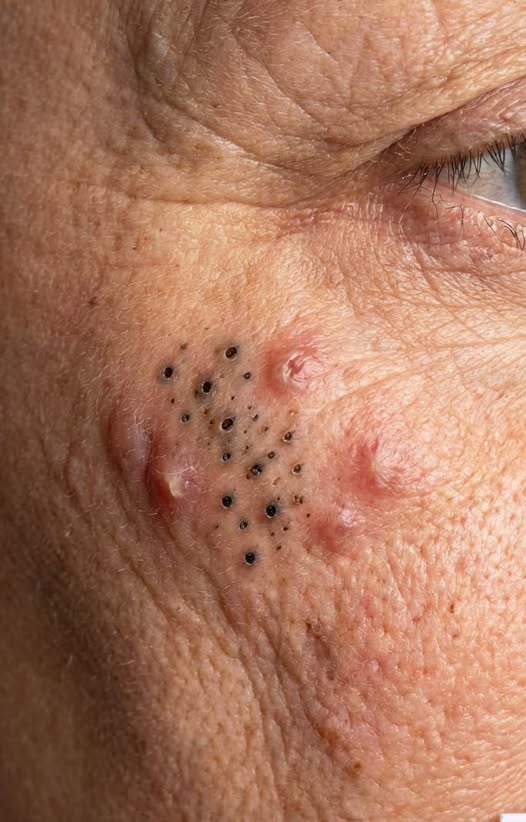
Blackheads, also known as open comedones, develop when excess sebum and accumulated dead skin cells form a plug inside the pore while the follicular opening remains exposed to air. Oxidation of melanin and lipids within this plug causes the dark appearance characteristic of blackheads. Although they are non-inflammatory lesions, blackheads reflect underlying dysfunction in follicular keratinization and oil regulation. Effective management therefore depends on addressing the biological processes inside the pore rather than only removing what is visible on the surface.
Pore strips are adhesive patches commonly applied to areas such as the nose, where blackheads are more noticeable due to higher sebaceous gland density. When placed on damp skin and allowed to dry, the strip adheres to superficial debris within the pore opening. Upon removal, the strip may extract surface-level keratin plugs and oxidized material. This can create the appearance of immediate improvement because some of the visible dark contents are physically lifted away. However, pore strips do not address the underlying causes of clogged pores, including excess sebum production or abnormal shedding of skin cells within the follicle.
As a result, the effect of pore strips is temporary. The pore lining continues to produce oil and shed keratinocytes, which may lead to re-accumulation of debris within days. In some individuals, frequent or aggressive use of adhesive strips can contribute to skin irritation, barrier disruption, or small broken capillaries, particularly in those with sensitive skin or underlying rosacea. Stripping the skin excessively may also stimulate compensatory oil production, potentially worsening the appearance of enlarged pores over time.
Evidence-informed treatment approaches for blackheads focus on regulating pore function. Salicylic acid is commonly used because it is oil-soluble and can penetrate into the pore, helping to dissolve accumulated debris and reduce comedone formation. Topical retinoids are often recommended for comedonal acne because they normalize follicular keratinization and help prevent new blackheads from forming. Niacinamide may support the skin barrier and assist with oil regulation, while gentle, non-comedogenic cleansers help remove excess surface oil without causing irritation. Benzoyl peroxide is more useful for inflammatory acne lesions but may be included when mixed breakouts are present.
Professional treatments such as comedone extraction performed by trained dermatology providers or carefully selected chemical peels may offer more controlled and effective removal of persistent blackheads. These approaches are typically combined with topical maintenance therapy to reduce recurrence.
Pore strips may provide short-term cosmetic improvement for some individuals, but they should not be considered a long-term solution for blackhead removal. Sustainable improvement usually requires consistent use of ingredients that target sebum production and abnormal skin cell turnover. Individuals with persistent or widespread acne may benefit from consultation with a qualified healthcare professional to determine a treatment plan tailored to their skin type and severity.