There is a quiet truth that shows up again and again across generations, cultures, and careers: learning never goes out of style.
Trends change, tools evolve, and fashions come and go, but the desire to understand, improve, and grow has always been part of what makes life meaningful.
No matter your age or background, learning remains one of the most powerful ways to stay connected to the world and to yourself.
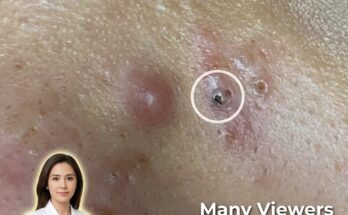
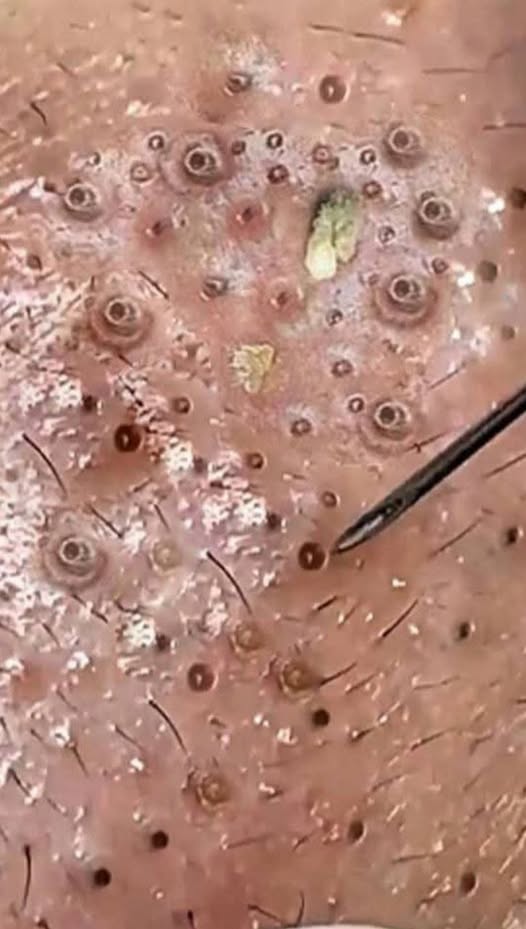
Acne develops when excess sebum production, abnormal follicular keratinization, bacterial proliferation, and inflammation interact within the pilosebaceous unit. The earliest stage involves the formation of a microcomedone, where dead skin cells and oil accumulate inside the follicle, creating clogged pores that can evolve into blackheads, whiteheads, or inflamed lesions. While environmental and hormonal triggers are important, genetic factors may influence how strongly each of these biological pathways is expressed, helping explain why some individuals experience more frequent or persistent breakouts than others.
Sebum production is partly regulated by androgens, and genetic variation can affect how sensitive sebaceous glands are to these hormones. Some individuals may inherit a tendency toward higher baseline oil production or a stronger glandular response to hormonal fluctuations during adolescence or adulthood. Oily skin can increase the likelihood of clogged pores, particularly when combined with irregular shedding of keratinocytes inside the follicle. Genes involved in skin cell turnover may also influence how efficiently dead cells are released from the pore lining. When this process is disrupted, comedonal acne becomes more likely.
Inflammatory responses are another area where genetics may play a role. The immune system’s reaction to Cutibacterium acnes varies between individuals. Some people may mount a more pronounced inflammatory response to relatively small amounts of bacterial overgrowth, resulting in papules, pustules, or nodules. Genetic differences in cytokine production and innate immune signaling pathways may contribute to the severity and persistence of inflammatory acne. This variability helps explain why two individuals with similar levels of oil production may experience very different clinical presentations.
Genetics can also influence structural characteristics of the skin. Pore size, skin thickness, and barrier function are partially inherited traits. A compromised skin barrier may increase susceptibility to irritation, which can worsen acne through secondary inflammation. At the same time, individuals with larger or more visible pores may notice congestion more readily, even when acne severity is moderate. Family history often provides practical insight; those with parents or siblings who experienced persistent acne, scarring, or adult breakouts may be more likely to follow a similar pattern.
Although genetic predisposition cannot be changed, evidence-informed skincare and medical treatments can help manage its effects. Topical retinoids are commonly recommended because they normalize follicular keratinization and reduce microcomedone formation, addressing one of the core biological processes in acne. Salicylic acid may help clear clogged pores by penetrating oil-rich follicles, while benzoyl peroxide can reduce bacterial load and inflammation when inflammatory lesions are present. Niacinamide may support barrier function and help moderate excess sebum production, making it a useful adjunct in acne-prone routines.
Lifestyle factors and environmental exposures still matter, even when genetics play a strong role. Consistent cleansing, avoidance of heavily occlusive products, and protection of the skin barrier can reduce additional triggers. Hormonal fluctuations, stress, diet, and certain medications may amplify an inherited tendency toward breakouts. Because acne often results from multiple overlapping influences, individualized treatment plans are important, particularly for moderate to severe or scarring forms.
Realistic expectations are essential when acne is strongly influenced by genetics. Treatment may need to be maintained long term to control symptoms, and periods of flare may still occur. Improvement typically develops gradually over several skin turnover cycles rather than immediately. Individuals with persistent, painful, or scarring acne should consult a qualified healthcare professional for evaluation and discussion of prescription therapies that can address deeper hormonal or inflammatory components. While genetic predisposition may increase susceptibility, consistent and appropriate care can significantly improve skin clarity and reduce the long-term impact of acne.