Growing a company can often feel like a delicate dance, a blend of strategy, intuition, and a sprinkle of courage.
As business owners, we find ourselves navigating through a landscape filled with opportunities and challenges alike.
The heart of the journey lies in growing with confidence, embracing both the highs and lows with grace.
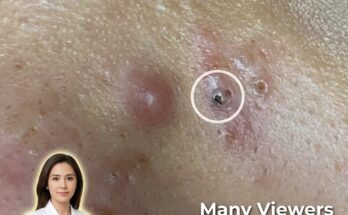
Niacinamide, also known as vitamin B3, is a water-soluble skincare ingredient that influences several biological processes relevant to oily skin and enlarged pores. Pore visibility is largely determined by the size of the follicular opening and the amount of sebum and keratin debris it contains. When sebaceous glands produce excess oil, the pore can appear more prominent, especially if clogged with oxidized material that forms blackheads or with retained cells that contribute to whiteheads. Niacinamide has been shown to help regulate sebum production and improve barrier function, which may indirectly reduce the appearance of enlarged pores over time.
Sebum production is influenced by hormonal activity, particularly androgens, as well as genetic predisposition and environmental factors such as humidity and skincare habits. Individuals with oily skin often notice more visible pores in areas with higher sebaceous gland density, including the nose, forehead, and chin. Inflammation related to acne can further stretch and distort follicular openings, making pores appear larger even after breakouts resolve. Disruption of the skin barrier through harsh cleansers or overuse of exfoliating acids may also trigger compensatory oil production, potentially worsening shine and congestion. By supporting the skin’s lipid barrier and reducing transepidermal water loss, niacinamide may help stabilize oil production and improve overall skin texture.
Beyond oil regulation, niacinamide has anti-inflammatory properties that can be beneficial in acne-prone skin. It may reduce visible redness associated with inflammatory acne and support recovery after breakouts. This makes it a complementary ingredient alongside treatments that target clogged pores more directly, such as retinoids, which normalize follicular keratinization, and salicylic acid, which penetrates into pores to dissolve excess oil and debris. Unlike benzoyl peroxide, which primarily targets acne-causing bacteria, niacinamide does not directly reduce bacterial load but may improve the skin environment by strengthening barrier resilience.
Formulations containing niacinamide are widely available in serums, moisturizers, and combination products, often in concentrations between 2% and 10%. Higher percentages are not always more effective and may increase the likelihood of irritation in sensitive individuals. Consistent use over several weeks is typically required before changes in oiliness and pore appearance become noticeable. Because pore size is largely determined by genetics and structural factors, complete elimination of visible pores is not realistic. However, reducing excess sebum, minimizing clogged pores, and controlling inflammation can make pores appear less prominent.
As with any active skincare ingredient, gradual introduction and attention to overall routine balance are important. Overloading the skin with multiple potent treatments may compromise the barrier and counteract benefits. Individuals with persistent acne, significant scarring, or concerns about markedly enlarged pores should consider consulting a qualified dermatologist to determine whether additional therapies, including prescription treatments or procedural options, may be appropriate.