Writing can be a deeply fulfilling endeavor, yet it often comes with its own set of challenges.
Whether you’re crafting a heartfelt letter, a blog post, or even a novel, the journey of putting pen to paper—or fingers to keyboard—can lead to a few common pitfalls.
By becoming aware of these missteps, you can elevate your writing and express your thoughts more clearly.
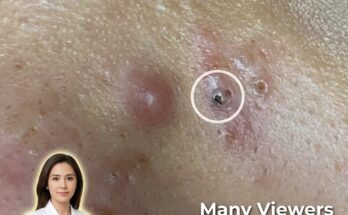
Hormonal fluctuations influence multiple biological pathways involved in acne development, particularly sebum production and follicular keratinization. Androgens such as testosterone and its more potent derivative dihydrotestosterone stimulate sebaceous glands to enlarge and produce more oil. When sebum output increases, it mixes with shed keratinocytes inside the follicle. If normal cell turnover is disrupted, this combination can form a microcomedone, the precursor to blackheads, whiteheads, and inflammatory acne lesions. Hormones may also influence inflammatory signaling within the skin, making certain individuals more prone to redness, swelling, and tender breakouts.
During puberty, rising androgen levels commonly trigger the onset of acne, especially in individuals with a genetic predisposition. However, hormonal shifts are not limited to adolescence. Many adults experience acne flares linked to menstrual cycles, pregnancy, postpartum changes, perimenopause, or conditions associated with elevated androgen levels. In menstrual-related acne, breakouts often appear in the lower face and jawline during the luteal phase, when hormonal changes can increase oil production and alter follicular behavior. Stress may further contribute by increasing cortisol, which can indirectly affect sebaceous gland activity and inflammatory responses.
Hormone-driven increases in sebum create an environment where pores are more likely to become clogged. Excess oil makes retained dead skin cells more cohesive, promoting the formation of comedones. Over time, trapped sebum and cellular debris can support the proliferation of Cutibacterium acnes, which may trigger inflammatory acne. Skincare habits can either support or worsen this process. Heavy, occlusive products may compound oiliness, while harsh cleansing or over-exfoliation can impair the skin barrier and increase irritation, potentially aggravating breakouts.
Evidence-based treatment strategies often aim to address both oil regulation and abnormal keratinization. Topical retinoids are frequently recommended because they help normalize cell turnover inside the follicle and reduce microcomedone formation. Salicylic acid may assist by exfoliating within oily pores, while benzoyl peroxide can reduce bacterial overgrowth and inflammation. Niacinamide is often included in routines for its ability to support barrier function and help regulate sebum production. In cases where hormonal influence is significant and persistent, healthcare professionals may consider prescription options such as hormonal contraceptives or anti-androgen therapies, depending on individual health history and risk factors.
Because hormonal patterns are cyclical and can vary widely between individuals, acne linked to hormonal fluctuations often requires consistent, long-term management rather than short-term spot treatment. Improvements may take several weeks to become visible as the skin cycle gradually normalizes. Individuals experiencing severe, scarring, or emotionally distressing acne are encouraged to consult a qualified medical professional to determine whether underlying hormonal conditions or targeted therapies should be considered. With appropriate guidance and realistic expectations, many people can achieve meaningful improvements in pore congestion and inflammatory breakouts while maintaining overall skin health.