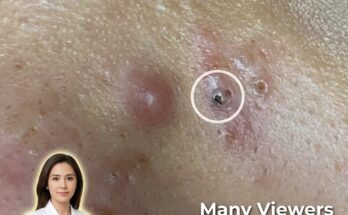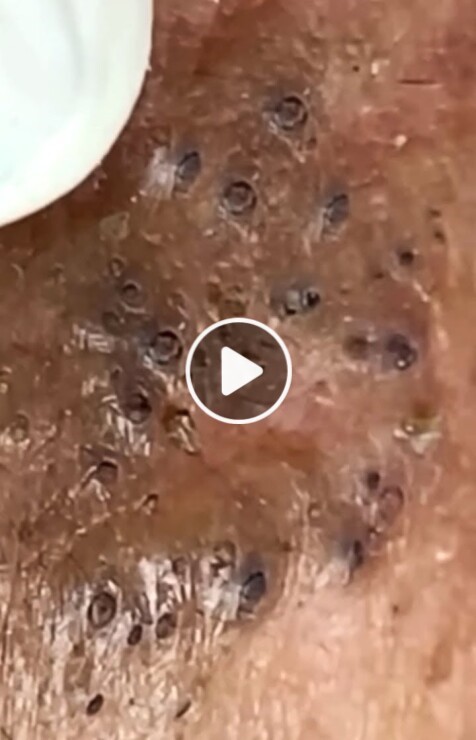
Video 1
Video 2
Video 3
The appearance of enlarged pores and oily skin is closely tied to the biology of the pilosebaceous unit, which consists of the hair follicle and its associated sebaceous gland. Sebaceous glands produce sebum, an oily mixture of lipids that helps maintain skin barrier function and prevent excessive water loss. When sebum production increases, it flows through the follicular canal and exits at the pore opening. If this canal becomes lined with excess keratinized cells due to altered follicular keratinization, the mixture of sebum and dead skin cells can accumulate. This buildup stretches the follicle, making pores appear larger and contributing to blackheads, whiteheads, and other forms of comedonal acne.
Sebum production is strongly influenced by androgens, particularly during adolescence and early adulthood. Hormonal fluctuations can stimulate sebaceous gland activity, leading to persistently oily skin. Genetics also plays a significant role, as individuals with naturally larger sebaceous glands may be more prone to visible pores. Environmental factors such as humidity and heat can temporarily increase surface oiliness, while occlusive skincare products may trap debris within pores. Inadequate cleansing or over-cleansing can both disrupt the skin barrier. Excessive stripping of oil may trigger compensatory sebum production, while insufficient removal of sunscreen, makeup, and environmental pollutants can contribute to clogged pores and acne lesions.
The visibility of pores is not solely determined by oil production. Loss of collagen and elastin within the dermis can reduce structural support around the follicle, allowing the pore opening to appear more prominent. Chronic sun exposure accelerates collagen breakdown and may worsen the appearance of enlarged pores over time. Inflammatory acne can also stretch pore walls, and repeated squeezing or manipulation of blackheads may further damage surrounding tissue. These structural changes can make oily skin concerns more noticeable even when active acne is minimal.
Evidence-informed skincare approaches focus on regulating sebum, normalizing keratinization, and maintaining barrier health. Topical retinoids are commonly recommended because they promote cell turnover within the follicle, helping to prevent clogged pores and reduce comedone formation. Over-the-counter retinoids may improve the appearance of enlarged pores gradually with consistent use. Salicylic acid, a lipid-soluble beta hydroxy acid, penetrates into the pore lining and helps dissolve accumulated debris, making it particularly useful for blackheads and oily skin. Benzoyl peroxide is often used in inflammatory acne because it reduces acne-causing bacteria and may help limit inflammatory breakouts that can enlarge pores over time.
Niacinamide is frequently included in skincare formulations for oily or acne-prone skin because it may help regulate sebum production and support the skin barrier. Gentle cleansers that remove excess oil without disrupting the barrier are often recommended twice daily. Non-comedogenic moisturizers remain important even for oily skin, as proper hydration helps maintain barrier integrity and may reduce compensatory oiliness. Daily sunscreen use is essential to protect collagen and prevent further structural changes that can accentuate pore size.
Professional treatments may be considered when over-the-counter skincare does not provide sufficient improvement. Prescription-strength retinoids, chemical peels containing salicylic acid or other exfoliating agents, and certain laser or energy-based devices may improve pore appearance by stimulating collagen remodeling. These procedures should be performed or supervised by qualified dermatology professionals, particularly for individuals with sensitive skin or darker skin tones where post-inflammatory hyperpigmentation can occur.
It is important to understand that pore size is largely genetically determined, and completely “shrinking” pores is not biologically possible. However, consistent use of evidence-based skincare ingredients can make pores appear less noticeable by keeping them clear and supporting surrounding skin structure. Individuals experiencing persistent acne, severe oiliness, or scarring should consult a licensed healthcare professional for personalized evaluation and treatment guidance.