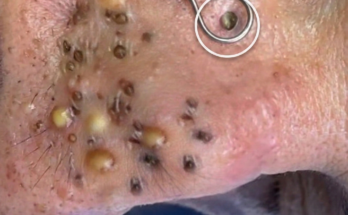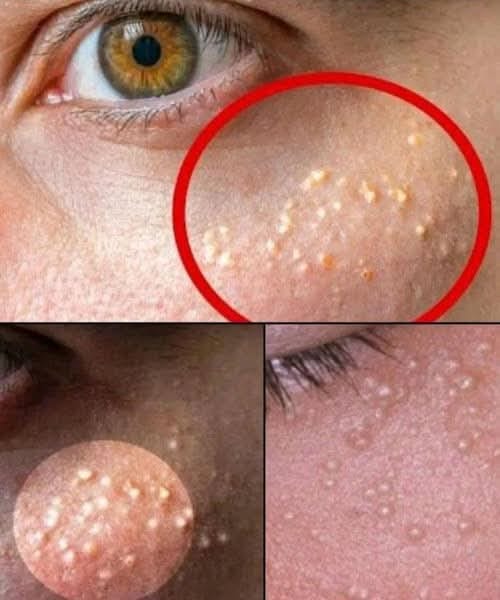
Small white bumps that appear on the face are a common dermatological concern that often causes unnecessary alarm. These tiny spots are frequently mistaken for acne, allergic reactions, or even signs of infection. In many cases, however, they are harmless formations known as milia. Understanding what these spots represent and how they develop is important for making informed decisions about skin care and avoiding practices that may worsen the condition.
Milia are small keratin-filled cysts that form just beneath the surface of the skin. Keratin is a structural protein naturally produced by the body and commonly found in hair, nails, and the outer layer of skin. When dead skin cells become trapped rather than shedding normally, they may form small, firm white bumps that are visible through the skin. These spots most often appear around the eyes, cheeks, nose, and forehead, although they can develop in other areas of the face as well.
Because milia resemble whiteheads, many people attempt to remove them through squeezing or picking. This reaction is understandable but often counterproductive. Unlike typical acne, milia do not have an opening to the skin’s surface, which means that applying pressure usually does not release the contents. Instead, forceful attempts at extraction can irritate the surrounding skin, increase inflammation, and potentially lead to scarring or infection. Dermatology professionals generally discourage self-removal for this reason.
The formation of milia is usually linked to natural skin turnover processes rather than poor hygiene. Skin constantly renews itself by producing new cells and shedding older ones. When this process becomes slightly disrupted, keratin may become trapped beneath the surface. Environmental factors, heavy skincare products, sun damage, and certain cosmetic formulations can sometimes contribute to this buildup. In other situations, milia simply develop without a clear trigger and resolve on their own over time.
Skin care routines can influence how frequently these small cysts appear. Products that are particularly thick or occlusive may slow normal exfoliation and encourage the trapping of keratin beneath the skin. For individuals who frequently experience milia, dermatologists often recommend reviewing skincare ingredients and reducing the use of heavy creams or oil-based cosmetics around sensitive areas such as the eyelids. Lighter formulations that allow the skin to breathe may reduce the likelihood of recurrence.
Gentle exfoliation is commonly considered a safer alternative to attempting manual extraction. Chemical exfoliants such as mild alpha hydroxy acids or beta hydroxy acids may help improve skin cell turnover, which can gradually reduce the formation of keratin-filled cysts. These ingredients work by loosening the bonds between dead skin cells so they shed more effectively. Over time, consistent exfoliation may support smoother skin texture and reduce the appearance of small bumps.
Retinoid-based products are another option sometimes recommended by dermatology professionals. Retinoids promote cellular renewal and help regulate the way skin cells develop and shed. In many cases, they can assist in preventing the buildup of keratin beneath the skin. However, these products should be used carefully, especially on sensitive facial areas, and individuals often benefit from professional guidance before incorporating stronger retinoids into their skincare routine.
In situations where milia persist or become cosmetically bothersome, professional treatment may be appropriate. Dermatologists have specialized tools designed to remove these cysts safely and efficiently. A trained professional can create a tiny opening in the skin using a sterile needle or blade and gently extract the keratin deposit without damaging surrounding tissue. This process typically takes only a few minutes and significantly reduces the risk of complications compared with attempting removal at home.
Another important consideration involves distinguishing milia from other skin conditions that may appear similar. Certain forms of acne, sebaceous hyperplasia, or small cysts can sometimes resemble milia. Accurate identification is important because different conditions require different management strategies. A qualified dermatologist can provide a reliable diagnosis and recommend the most appropriate course of action when uncertainty exists.
Sun protection also plays a role in maintaining healthy skin turnover. Long-term sun exposure can thicken the outer layer of the skin and disrupt natural shedding processes, which may increase the likelihood of trapped keratin. Consistent use of broad-spectrum sunscreen and protective skincare practices can support healthier skin renewal and reduce the conditions that allow these bumps to form.
Patience is often an overlooked element of managing milia. In many cases, these small cysts gradually disappear as the skin renews itself naturally. While the timeline varies from person to person, the body’s normal exfoliation cycle frequently resolves the issue without intervention. Maintaining a balanced skincare routine and avoiding aggressive treatments can allow this process to occur without additional irritation.
The broader lesson from this common skin concern is that visible skin irregularities do not always benefit from immediate physical removal. Modern dermatology increasingly emphasizes prevention, gentle maintenance, and professional assessment when necessary. This approach reduces the risk of unnecessary skin damage while supporting long-term skin health and stability.
Understanding the nature of these small white spots helps shift the response from impulsive removal to informed care. Rather than treating them as conventional pimples, recognizing them as keratin-filled cysts encourages safer and more effective management strategies. Over time, this perspective can help individuals maintain healthier skin while avoiding practices that may create more serious cosmetic concerns.
Editorial and formatting standards used in this article follow structured content guidelines designed for long-term informational value and responsible publishing practices.