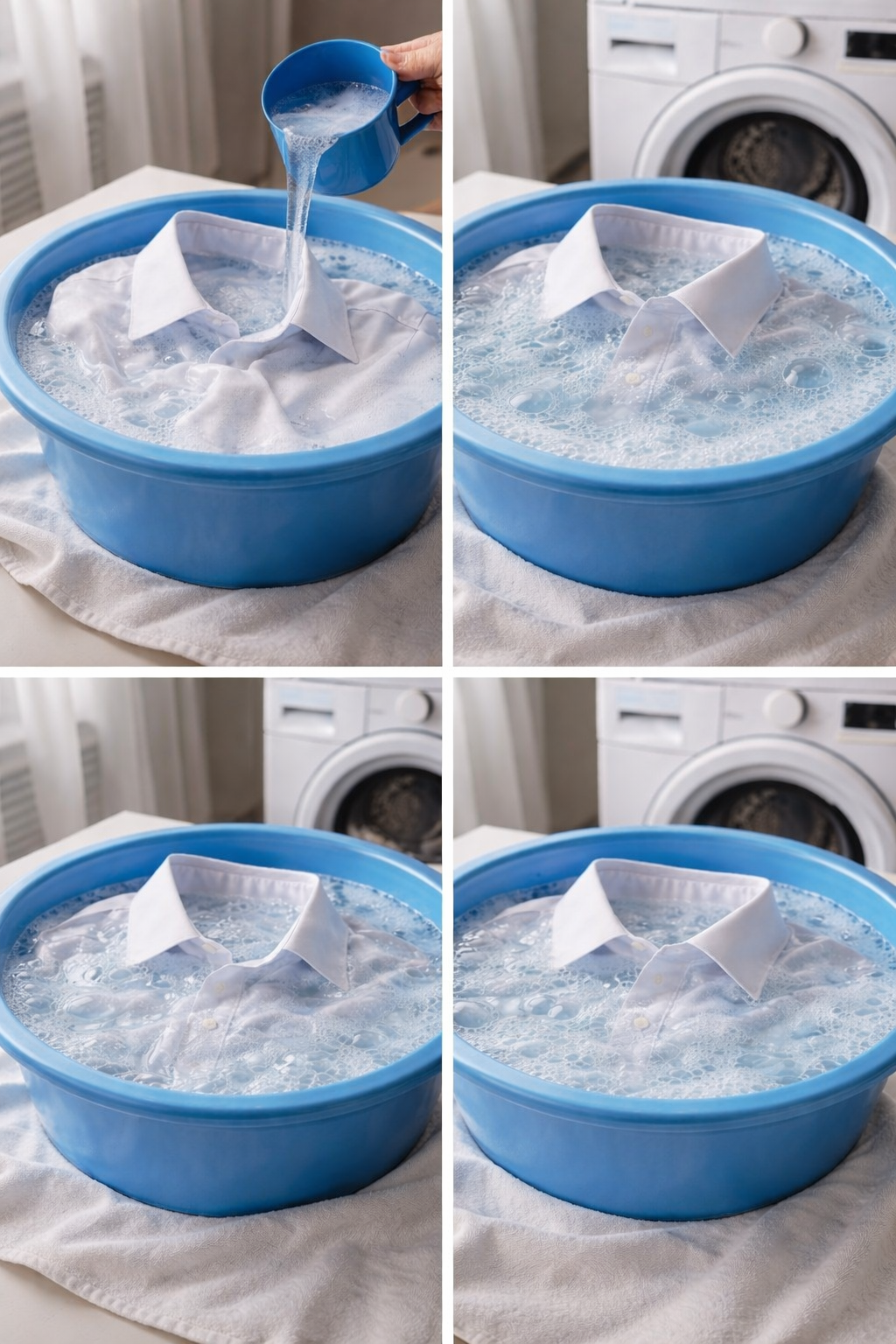
Yellow sweat stains on white clothing develop through a biological and chemical interaction between perspiration, skin secretions, and fabric fibers. Sweat itself is mostly water, but it also contains proteins, lipids, and trace minerals released from eccrine and apocrine glands. When these substances mix with sebum produced by sebaceous glands and bacteria that naturally live on the skin, they can oxidize upon exposure to air. Deodorants and antiperspirants, particularly those containing aluminum salts, may further react with sweat components. Over time, these reactions create yellow discoloration that becomes embedded within fabric fibers, especially in areas with high sweat concentration such as the underarms.
Several factors can intensify this staining process. Individuals with higher sebum production or more active apocrine glands may experience stronger odor and increased residue on clothing. Hormonal fluctuations, stress, and heat can stimulate both sweat and oil secretion, similar to how they influence acne formation through increased sebum and follicular activity. Fabric type also plays a role, as tightly woven synthetic fibers tend to trap sweat, oils, and bacteria more readily than breathable natural materials. Repeated washing without fully removing protein and oil buildup allows oxidation to continue, gradually deepening the yellow appearance.
A commonly recommended single-ingredient method for restoring very white clothes involves using hydrogen peroxide. Hydrogen peroxide acts as a mild oxidizing agent that can help break down protein-based stains and lift discoloration from white fabrics. When applied carefully to affected areas and allowed to sit briefly before washing, it may help reduce yellow staining by targeting the chemical compounds formed between sweat, sebum, and deodorant residues. Because hydrogen peroxide also has mild antimicrobial properties, it may assist in reducing odor-causing bacteria embedded in fabric.
It is important to note that hydrogen peroxide is generally best suited for white or colorfast fabrics, as it may lighten dyes in darker clothing. Testing on a small, hidden area is advisable before full application. Washing garments promptly after heavy sweating, choosing breathable fabrics, and using detergents formulated to break down proteins can help prevent recurrence. While this approach may significantly improve the appearance of stained clothing, complete removal depends on how long the discoloration has been present and the fabric type.
Understanding the underlying interaction between sweat, skin oils, bacteria, and fabric helps explain why these stains form and why oxidation-based treatments can be effective. Just as skincare management often focuses on reducing excess sebum, controlling bacterial growth, and maintaining barrier function, fabric care benefits from targeting the biological and chemical sources of buildup rather than masking discoloration. For persistent or delicate garments, professional cleaning services may offer additional options.