
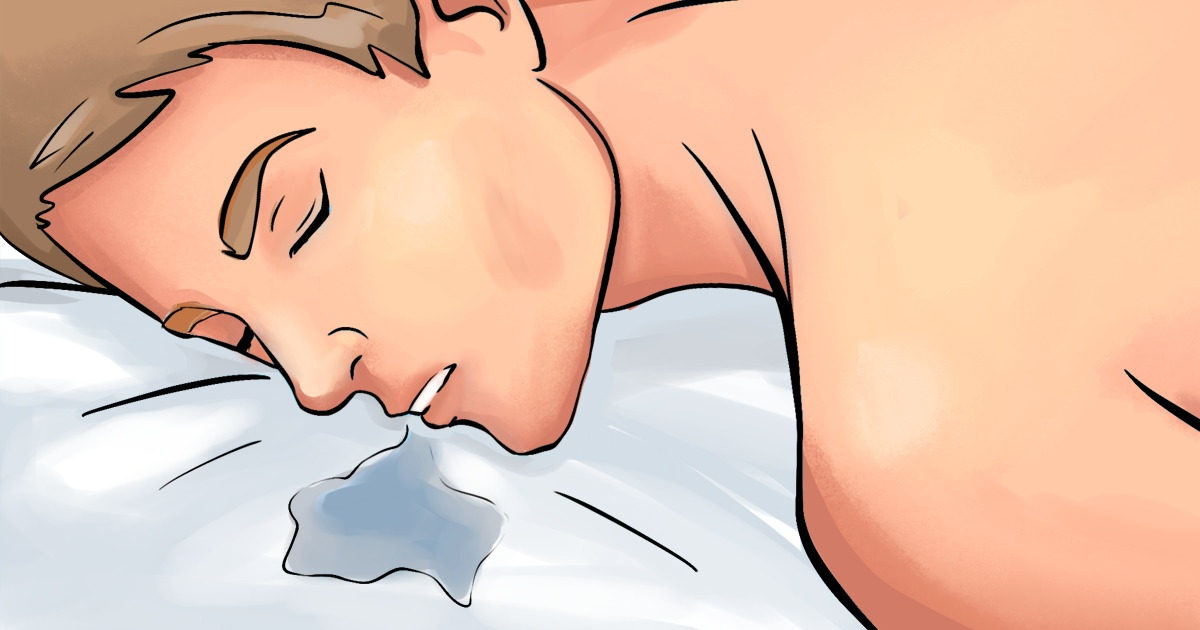

Waking up to a damp patch on your pillow can feel embarrassing, but drooling during sleep is far more common than most people realize. For many, it happens occasionally and is completely harmless. In some cases, however, it may point to an underlying issue that deserves attention.
Understanding why drooling happens at night can help you determine whether it’s a normal part of sleep or something worth discussing with a healthcare professional.
What Causes Drooling During Sleep?
Drooling, also known medically as hypersalivation or sialorrhea, occurs when saliva escapes the mouth unintentionally. During sleep, this usually happens for simple, physiological reasons.
1. Sleep Position
Your sleep position plays a major role. People who sleep on their side or stomach are more likely to drool because gravity allows saliva to flow out of the mouth. When you sleep on your back, saliva is more likely to collect in the throat and be swallowed.
If drooling only happens occasionally and mainly when you’re lying on your side, it’s usually nothing to worry about.
2. Deep Sleep and Muscle Relaxation
During certain stages of sleep—particularly deeper phases—your facial muscles relax. This includes the muscles that keep your lips sealed and control swallowing. As swallowing frequency decreases at night, saliva can build up and escape.
This is a normal part of how the body transitions through sleep cycles.
3. Nasal Congestion
When your nose is blocked due to a cold, allergies, or sinus issues, you’re more likely to breathe through your mouth. Mouth breathing increases the chance that saliva will spill out during sleep.
Conditions such as seasonal allergies or chronic sinus inflammation can make nighttime drooling more frequent.
4. Increased Saliva Production
Certain factors can increase saliva production, including:
-
Acid reflux
-
Pregnancy
-
Some medications (especially those affecting the nervous system)
-
Infections affecting the throat or mouth
When saliva production increases, it may overwhelm the body’s ability to swallow it during sleep.
When Drooling May Signal a Health Concern
Occasional drooling is typically harmless. However, persistent or excessive drooling may sometimes be linked to medical conditions.
Sleep Apnea
Obstructive sleep apnea, a condition in which breathing repeatedly stops and starts during sleep, can contribute to drooling. Mouth breathing and disrupted swallowing patterns may increase saliva leakage.
Common symptoms of sleep apnea include loud snoring, choking during sleep, and excessive daytime fatigue. If drooling is accompanied by these signs, medical evaluation is important.
Gastroesophageal Reflux (GERD)
Acid reflux can stimulate increased saliva production as the body attempts to neutralize stomach acid. People with nighttime reflux may notice both drooling and symptoms such as heartburn or a sour taste in the mouth upon waking.
Neurological Conditions
In rare cases, chronic drooling may be associated with neurological disorders that affect muscle control and swallowing. Conditions such as Parkinson’s disease or aftereffects of a stroke can impair the body’s ability to manage saliva.
In these situations, drooling typically occurs not only during sleep but also while awake.
Is Drooling During Sleep Normal?
For most healthy adults and children, occasional drooling is completely normal. It becomes more common:
-
During deep sleep
-
When sleeping on the side
-
During periods of illness or nasal congestion
-
In childhood, when swallowing control is still developing
Children drool more frequently than adults because their oral motor control is still maturing.
How to Reduce Drooling at Night
If drooling bothers you, simple adjustments may help:
Change Your Sleep Position
Sleeping on your back may reduce the likelihood of saliva escaping.
Address Nasal Congestion
Treating allergies, sinus infections, or colds can improve nasal breathing and reduce mouth breathing.
Evaluate Acid Reflux
If you experience heartburn or nighttime coughing, lifestyle changes—such as avoiding late meals and elevating the head of your bed—may help.
Review Medications
If drooling began after starting a new medication, speak with your healthcare provider about possible side effects.
When to See a Doctor
Consider seeking medical advice if:
-
Drooling is excessive or persistent
-
It is accompanied by difficulty swallowing
-
You experience choking episodes during sleep
-
You notice neurological symptoms such as muscle weakness or slurred speech
A healthcare professional can assess whether further evaluation, such as a sleep study or neurological examination, is necessary.
The Bottom Line
Drooling during sleep is usually a normal result of muscle relaxation, sleep position, and reduced nighttime swallowing. While it can feel uncomfortable or embarrassing, it often has simple explanations.
However, when drooling is frequent, severe, or paired with other symptoms, it may signal an underlying condition that deserves attention. Understanding the difference between normal variation and a potential health issue can help you respond appropriately and maintain better overall sleep health.