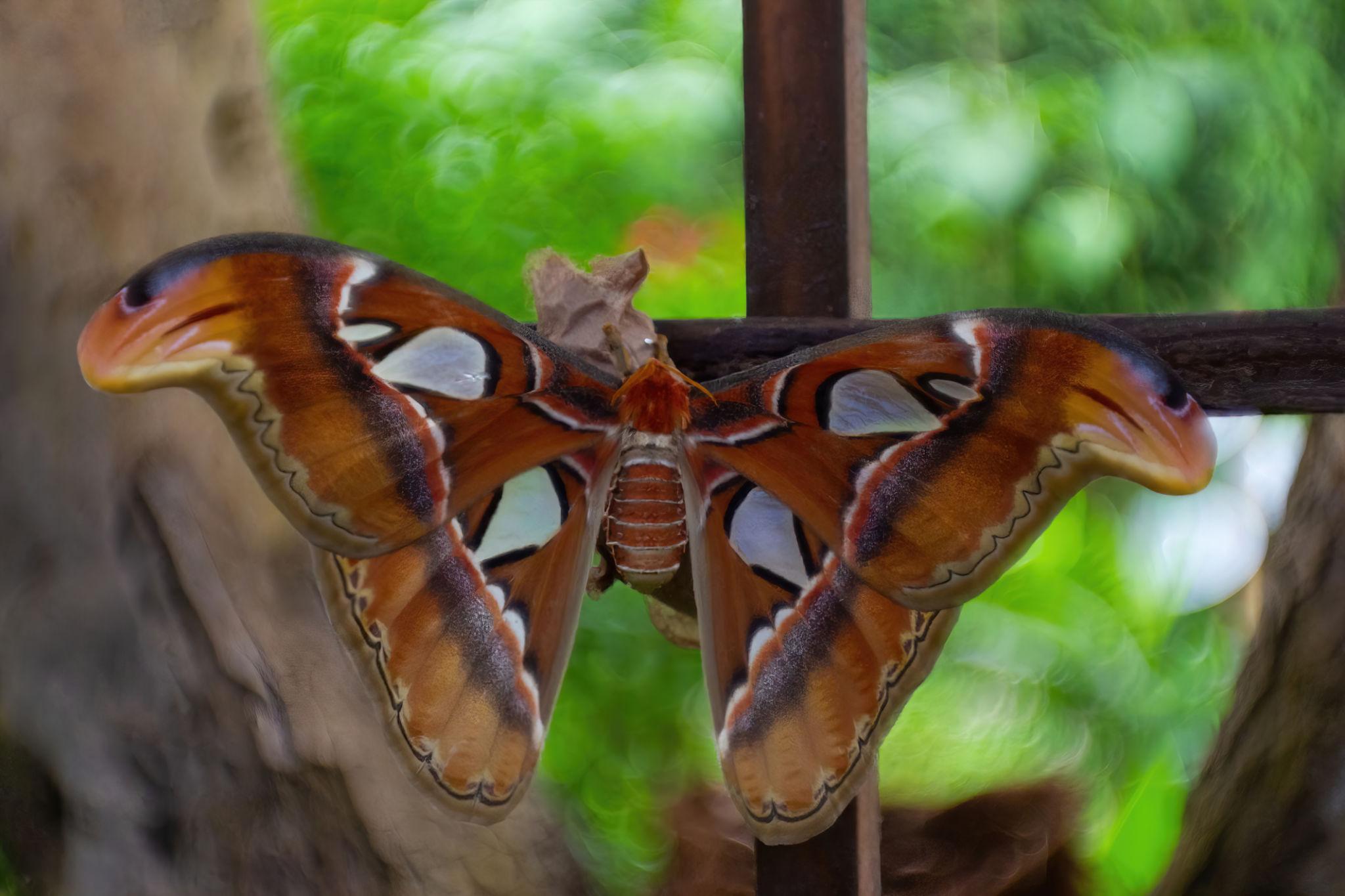


Large moths resting on walls have a way of capturing attention. Their broad wings, intricate markings, and unexpected size can make them look almost unreal—especially when photographed indoors against plain surfaces. In recent years, images of a so-called “Kamitetep” have circulated online, often described as a rare or mysterious wall-clinging moth. But does this creature actually exist?
A closer look at entomology, naming conventions, and viral media patterns suggests that “Kamitetep” is not a recognized species. Instead, it appears to be an internet label attached to images of very real, but already well-documented, moths.
Is “Kamitetep” a Scientifically Recognized Moth?
There is no formal record of a moth species named “Kamitetep” in established taxonomic databases or entomological literature. Scientific names follow a standardized binomial system (genus and species), governed by international codes. If a species were formally identified, it would have a Latinized name and documentation in peer-reviewed sources.
No such documentation exists for “Kamitetep.”
When unfamiliar names spread online without citation, they are often:
-
Misspellings or transliterations
-
Informal local nicknames
-
Fabricated terms created for dramatic effect
-
Memes detached from their original context
In this case, “Kamitetep” does not correspond to any recognized genus or species in Lepidoptera (the order that includes moths and butterflies).
Why Do These Moths Look So Unusual?
The images typically associated with the name show very large moths resting flat against vertical surfaces, often indoors. Several real species fit this description.
Atlas Moth (Attacus atlas)
One of the largest moths in the world, the Atlas moth can have a wingspan exceeding 25 centimeters (10 inches). Native to Southeast Asia, it is known for:
-
Broad, reddish-brown wings
-
Distinctive transparent patches
-
Wing tips that resemble snake heads
When resting, it often spreads its wings flat against a surface, making it appear even larger.
Polyphemus Moth (Antheraea polyphemus)
The Polyphemus moth is common in North America and can reach a wingspan of 15 centimeters (6 inches) or more. It is recognizable by:
-
Large eye spots on its hindwings
-
Soft brown coloring
-
Thick, furry body
Although impressive in size, it is harmless and typically active at night.
Other Giant Silk Moths
Many viral images feature members of the Saturniidae family, often called giant silk moths. These species share several traits:
-
Large wingspans
-
Prominent patterns or eye spots
-
Attraction to artificial light
-
A tendency to rest on walls after flying toward illuminated buildings
When photographed indoors or on exterior walls under porch lights, they can appear startlingly large, especially without a size reference.
How Internet Myths Take Shape
The spread of the “Kamitetep” label follows a common pattern in online wildlife content:
-
A striking photo is posted without context.
-
Viewers speculate about the species.
-
An unfamiliar or invented name gains traction.
-
The label circulates independently of scientific verification.
Because many people are unfamiliar with moth diversity, a large species can seem exotic or undiscovered. In reality, thousands of moth species are already classified, and most viral examples belong to well-known groups.
Why Large Moths Rest on Walls
Understanding moth behavior also helps demystify the phenomenon.
Most moths are nocturnal and navigate using natural light sources like the moon. Artificial lighting can disrupt this orientation process, drawing them toward:
-
Porch lights
-
Interior lamps
-
Streetlights
After flying toward a light source, a moth may settle nearby to rest. Walls provide:
-
A flat, stable surface
-
Camouflage against predators
-
Proximity to light and warmth
This behavior is ordinary for many nocturnal moth species.
Are Giant Moths Dangerous?
Despite their dramatic appearance, large moths are generally harmless to humans. They:
-
Do not sting
-
Do not bite
-
Do not carry venom
Adult giant silk moths often lack functional mouthparts and do not feed at all during their brief adult lifespan. Their primary purpose is reproduction.
While caterpillars of some species may feed on leaves, the adult moths seen clinging to walls pose no direct risk.
Why Accurate Identification Matters
Misinformation about wildlife can:
-
Create unnecessary fear
-
Distort public understanding of biodiversity
-
Undermine trust in scientific sources
Correct identification encourages appreciation rather than alarm. When encountering an unfamiliar insect, reliable identification tools include:
-
Regional field guides
-
University extension resources
-
Verified naturalist platforms
-
Consultation with local entomology departments
Photographs can often be matched to known species with simple comparisons of wing patterns and size.
The Verdict: Myth or Mislabel?
The evidence strongly indicates that “Kamitetep” is not a real moth species. Instead, it is an informal internet term attached to images of large, legitimate moths—most commonly giant silk moths such as the Atlas moth or Polyphemus moth.
Far from being mysterious or supernatural, these insects are part of well-documented ecosystems around the world. Their size and beauty may be surprising, but they are neither newly discovered nor scientifically unknown.
In many ways, the fascination surrounding the “Kamitetep” highlights something positive: large moths inspire curiosity. With accurate information, that curiosity can lead to a deeper appreciation of the remarkable diversity already present in nature.