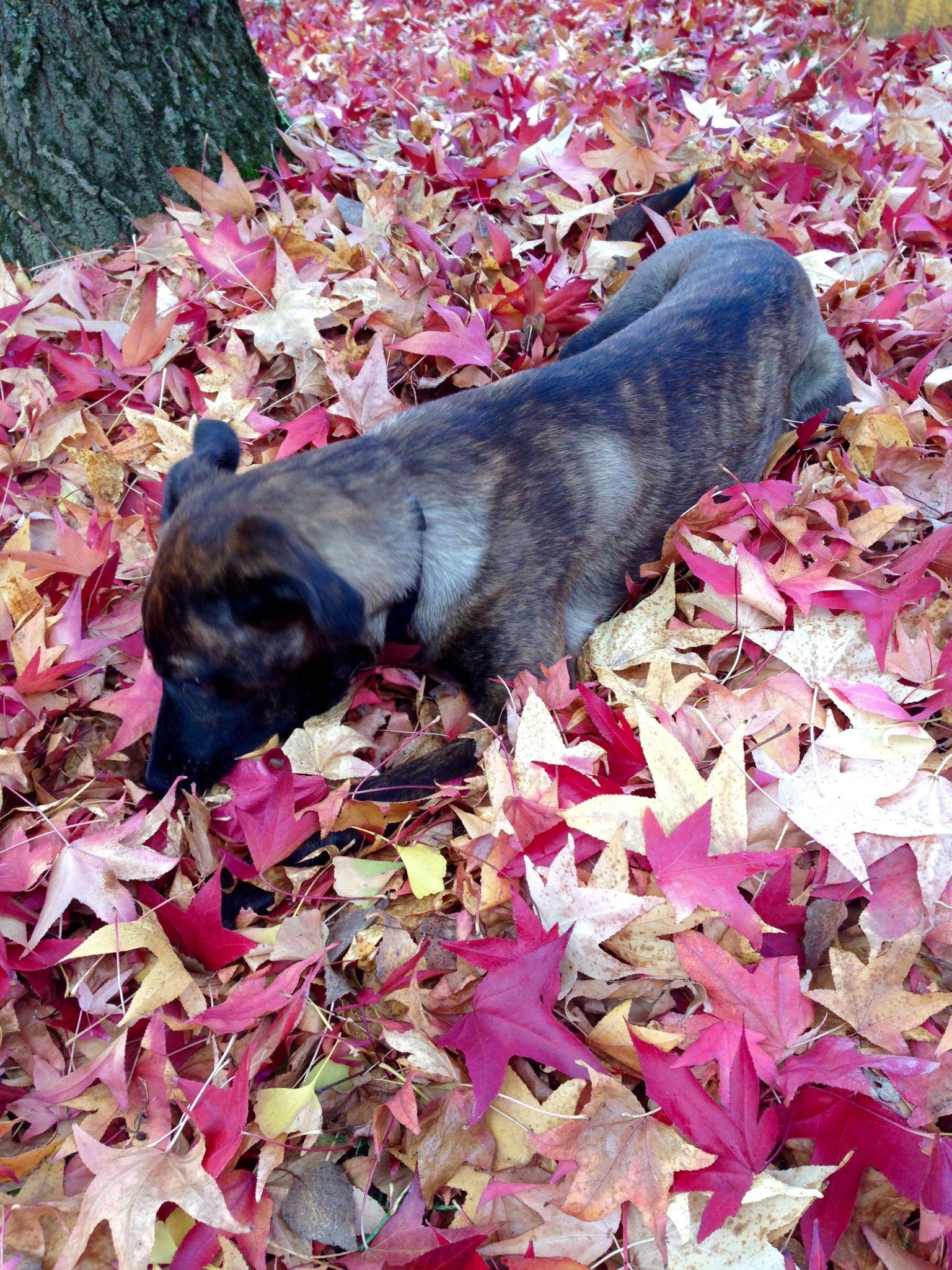
Visual puzzles that challenge readers to “spot the hidden dog” regularly circulate online. They are often framed with playful phrases like “only those with sniper vision can find it.” While the wording is dramatic, the appeal is simple: these images test how carefully we observe the world around us.
If you have ever stared at a photograph convinced there was no dog in sight—only to suddenly notice a pair of eyes staring back—you have experienced how selective human perception can be. Here is what makes these puzzles so engaging, and how to improve your chances of finding the hidden animal.
Why Hidden Dog Images Are So Challenging
Most “hidden dog” puzzles rely on natural camouflage rather than digital trickery. Photographers capture dogs blending into their surroundings—curled up in leaves, resting against textured furniture, or standing among rocks that match their fur.
Common techniques include:
-
Color matching: A brown dog lying in autumn leaves or a white dog against snow.
-
Pattern blending: Spotted or curly fur that resembles shadows, gravel, or patterned rugs.
-
Partial visibility: Only a nose, tail, or eyes are visible.
-
Depth confusion: Dogs positioned in the background or partly obscured by objects.
These elements exploit how the brain processes visual information. Rather than examining every detail, the brain quickly scans for familiar shapes and contrasts. When outlines are broken or colors blend seamlessly, recognition becomes more difficult.
The Psychology Behind “Sniper Vision”
The phrase “sniper vision” suggests exceptional focus and precision. In reality, success in these puzzles comes down to a few cognitive skills:
-
Pattern recognition: The ability to detect subtle differences in texture or symmetry.
-
Attention control: Slowing down instead of scanning too quickly.
-
Visual discrimination: Noticing small contrasts in shade, shape, or spacing.
Our brains are wired to identify faces and eyes. Many hidden dogs are ultimately revealed when viewers spot the animal’s eyes reflecting light or forming a distinct pair in an otherwise chaotic scene.
Tips to Find the Hidden Dog Faster
If you are stuck, try these practical strategies:
1. Slow Your Scan
Instead of sweeping your eyes quickly across the image, divide it into sections. Study one quadrant at a time.
2. Look for Eyes First
Two symmetrical dark shapes close together often reveal the dog’s position.
3. Focus on Unnatural Shapes
Even well-camouflaged animals rarely blend perfectly. Look for curves, outlines, or textures that seem slightly out of place.
4. Change Your Viewing Angle
Zoom in, zoom out, or tilt your screen. A different perspective can make hidden forms easier to identify.
5. Step Away Briefly
Taking a short break resets visual focus. Many people find the dog immediately after returning with fresh eyes.
Why These Puzzles Are So Popular
Hidden-object challenges tap into curiosity and friendly competition. When framed as a test of “sniper vision,” they create a sense of achievement. Social media users often share them to compare how quickly others can find the concealed animal.
Beyond entertainment, these puzzles also:
-
Encourage mindful observation
-
Improve visual attention skills
-
Provide a brief mental break from routine tasks
They are accessible to all ages and require no special knowledge—just patience and attention.
A Reminder About Camouflage in Real Life
Dogs are not the only animals skilled at blending in. In nature, camouflage helps many species avoid predators or hunt successfully. Even domestic pets can surprise owners by disappearing into gardens, furniture, or shadows that match their coat color.
The next time you struggle to find a dog in a photograph, consider how powerful natural camouflage can be—and how selective human vision truly is.
Final Thoughts
Spotting the hidden dog may not require literal “sniper vision,” but it does demand focus, patience, and careful observation. The challenge lies less in extraordinary eyesight and more in how deliberately you examine the image.
Take your time. Look closely. The dog is almost certainly there—waiting to be noticed.