The human body is a marvel of nature, a complex system of interrelated parts that work together in perfect harmony.
Among these systems, the integumentary system stands out as a protective shield, encasing our bodies and playing a vital role in our overall health and well-being.
Studying this remarkable system can deepen our understanding of ourselves and encourage us to care for our skin, hair, and nails in a more meaningful way.
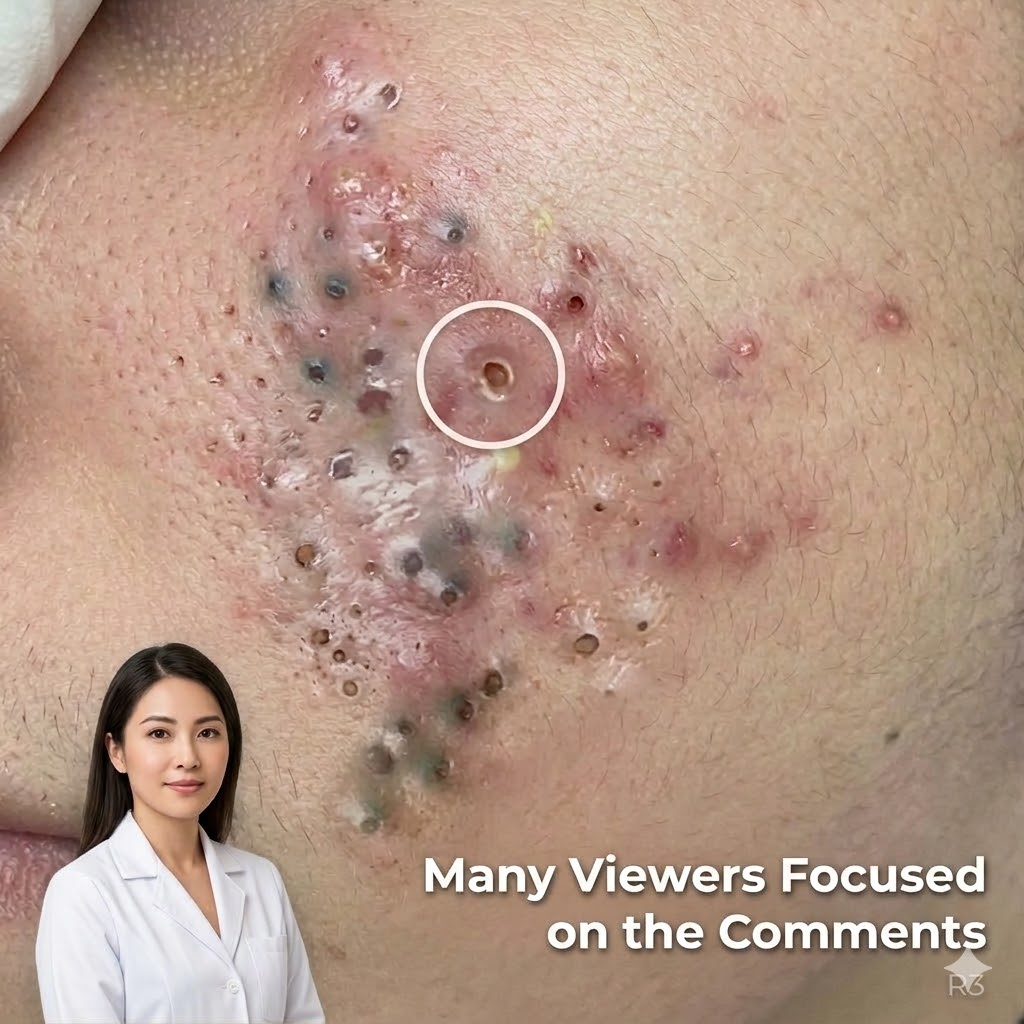
Oily skin is biologically more prone to developing blackheads because of the way sebaceous glands interact with hair follicles and the natural process of skin cell turnover. Each pore on the skin functions as a follicular unit that contains a hair follicle and a sebaceous gland responsible for producing sebum. Sebum is an oily substance that helps lubricate the skin and maintain barrier function. In individuals with oily skin, these glands tend to produce larger amounts of sebum. When excess oil combines with dead skin cells that naturally shed from the lining of the follicle, the mixture can accumulate within the pore and form a plug known as a comedone. When this plug remains open at the skin surface and becomes exposed to air, oxidation causes it to darken, forming what is commonly recognized as a blackhead.
A key biological factor involved in this process is follicular keratinization, which refers to the way skin cells grow and shed within the pore. In acne-prone or oily skin types, the shedding of these cells can become irregular, causing them to stick together rather than disperse normally. This buildup of keratinized cells narrows the pore opening and increases the likelihood that sebum will become trapped inside. Because oily skin produces a larger volume of sebum, the combination of oil and retained cells can quickly create the conditions necessary for blackhead formation.
Hormonal influences also play an important role in oil production. Androgens, a group of hormones present in both males and females, stimulate sebaceous gland activity. During periods of hormonal fluctuation such as puberty, menstrual cycles, or times of increased stress, sebaceous glands may become more active and increase sebum output. This heightened oil production can make pores appear larger and more susceptible to congestion, particularly in areas where sebaceous glands are naturally concentrated, such as the nose, forehead, and chin.
Environmental and skincare factors may further contribute to blackhead formation in oily skin. Heavy or occlusive cosmetic products can mix with natural sebum and dead skin cells, increasing the likelihood of pore blockage. Inadequate cleansing or inconsistent exfoliation may allow excess oil and debris to remain on the skin surface, while overly aggressive cleansing may disrupt the skin barrier and stimulate compensatory oil production. Humidity and heat can also increase surface oil levels, which may worsen pore congestion in individuals already prone to excess sebum.
Evidence-informed skincare approaches often focus on maintaining clear pores and regulating oil production. Ingredients such as salicylic acid are commonly used because they are oil-soluble and can penetrate into the pore lining to help loosen the mixture of sebum and dead skin cells. Topical retinoids are frequently recommended in dermatology because they help normalize follicular keratinization and promote more consistent skin cell turnover, which may reduce the formation of new comedones over time. Benzoyl peroxide may also be used in certain acne-prone individuals to target acne-causing bacteria that can contribute to inflammation. Niacinamide is another ingredient often included in skincare formulations because it may help support barrier function while modestly regulating oil production.
Professional dermatologic treatments can also be considered when blackheads persist despite consistent skincare. Dermatologists may recommend prescription retinoids, chemical exfoliation procedures, or professional comedone extraction performed in a controlled clinical setting. These treatments aim to improve pore function and reduce recurring congestion while minimizing irritation to the surrounding skin.
Although oily skin can increase the likelihood of blackhead formation, long-term management usually focuses on balancing oil production, maintaining regular skin cell turnover, and supporting the skin barrier. Improvements often occur gradually with consistent care, and results may vary depending on genetics, hormonal influences, and individual skin sensitivity. Individuals experiencing persistent or severe acne may benefit from consultation with a qualified dermatologist who can provide personalized guidance based on their skin type and medical history.