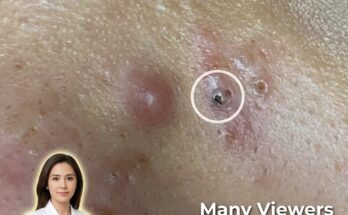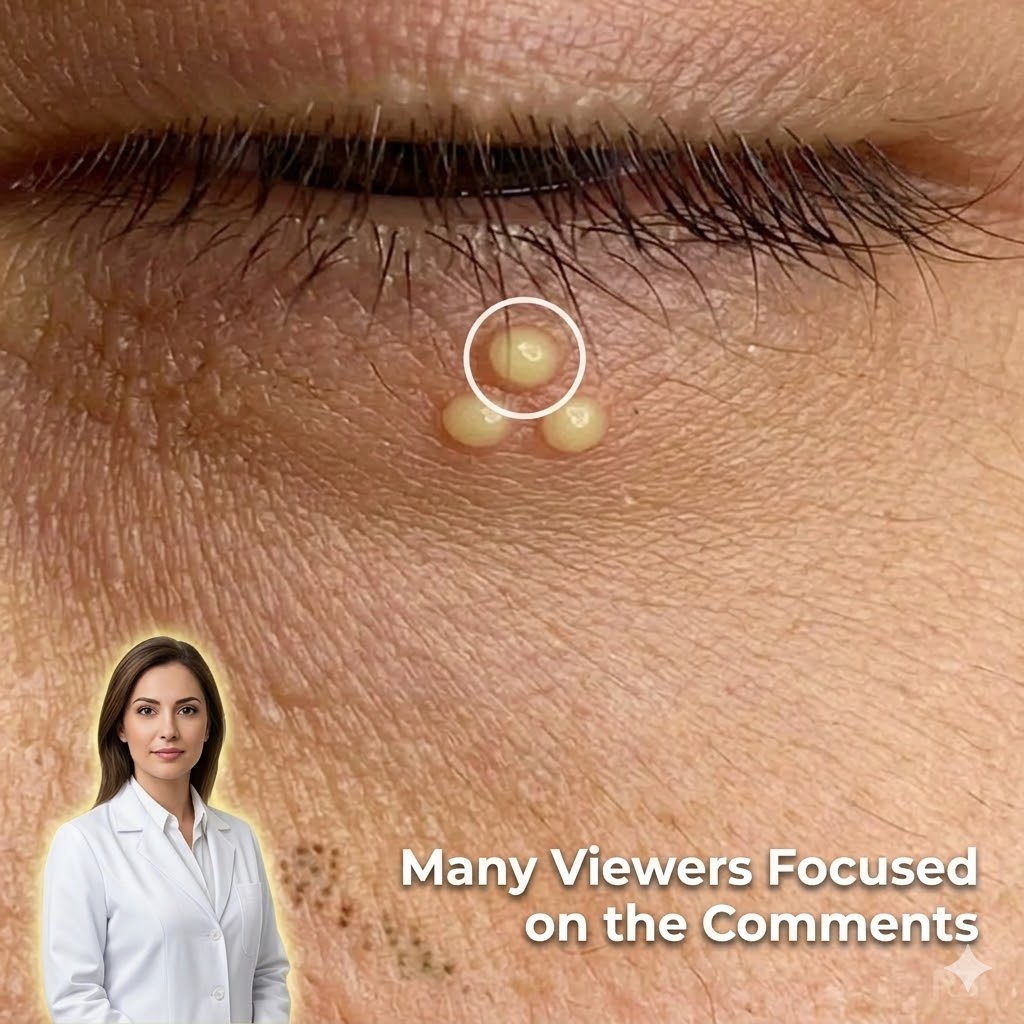
Dead skin cell buildup plays a central role in the formation of comedones, which include blackheads and whiteheads.
Under normal conditions, the skin constantly renews itself through a process called desquamation,
where mature keratinocytes gradually shed from the surface of the epidermis. Inside the hair follicle, this process should occur in a controlled way so that dead cells detach and exit the pore along with sebum. In acne-prone skin, however, this process can become disrupted. When keratinocytes accumulate and adhere to each other instead of shedding efficiently, they mix with sebum inside the follicle and form a compact plug. This process, known as follicular keratinization, is one of the earliest biological events in comedone development.
PROJECT-ACNE-&-SKINCARE-EDUCATI…
As these accumulated cells and oil block the follicular opening, the pore becomes congested. If the top of the pore remains open, the trapped material is exposed to oxygen and gradually darkens, forming a blackhead. When the follicle remains closed at the surface, the trapped mixture creates a whitehead. Although both types are considered non-inflamed acne lesions, they can create an environment that supports the growth of acne-associated bacteria and eventually lead to inflammation if the blockage persists.
Sebum production also strongly influences how easily dead skin cells accumulate inside pores. Individuals with oily skin produce larger amounts of sebum due to more active sebaceous glands, particularly in areas such as the forehead, nose, and chin. Excess oil can cause shed keratinocytes to clump together rather than disperse normally. Hormonal fluctuations, especially androgens, may increase sebum output and further contribute to the formation of these micro-blockages inside follicles.
External factors and skincare habits can also affect how efficiently the skin sheds dead cells. Heavy or highly occlusive cosmetic products may trap oil and keratin debris at the follicular opening. Incomplete cleansing, especially after wearing makeup or sunscreen, can allow residue to mix with sebum and dead cells within pores. Environmental factors such as humidity, sweat, and airborne pollutants may also contribute to pore congestion by increasing surface buildup on the skin.
Because abnormal shedding of keratinocytes is a key part of comedone formation, many acne treatments focus on normalizing skin cell turnover and keeping pores clear. Topical retinoids are commonly recommended because they influence keratinocyte behavior inside the follicle, helping reduce the tendency of dead cells to stick together. Salicylic acid is another widely used ingredient because it is oil-soluble and can penetrate into pores, where it may help loosen accumulated debris and support exfoliation within the follicle. Benzoyl peroxide is often used when inflammatory acne is present because it targets acne-causing bacteria and reduces the likelihood that clogged pores will progress to inflamed lesions.
Other supportive skincare ingredients may also play a role in maintaining healthier pore function. Niacinamide is frequently included in formulations designed for oily or acne-prone skin because it may help regulate oil production and support the skin barrier. Gentle cleansing and consistent skincare routines are often recommended to remove excess oil and environmental debris without disrupting the skin’s protective barrier.
Although treatments can significantly reduce dead skin cell buildup and improve the appearance of clogged pores, comedonal acne often requires consistent long-term management. Skin turnover cycles take several weeks, so improvements usually occur gradually rather than immediately. For individuals experiencing persistent blackheads, whiteheads, or widespread clogged pores, consultation with a qualified dermatology professional can help determine the most appropriate treatment strategy based on skin type, acne severity, and overall skin health.