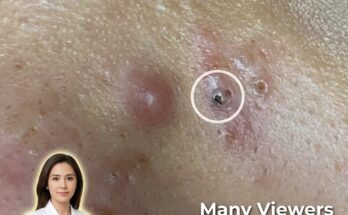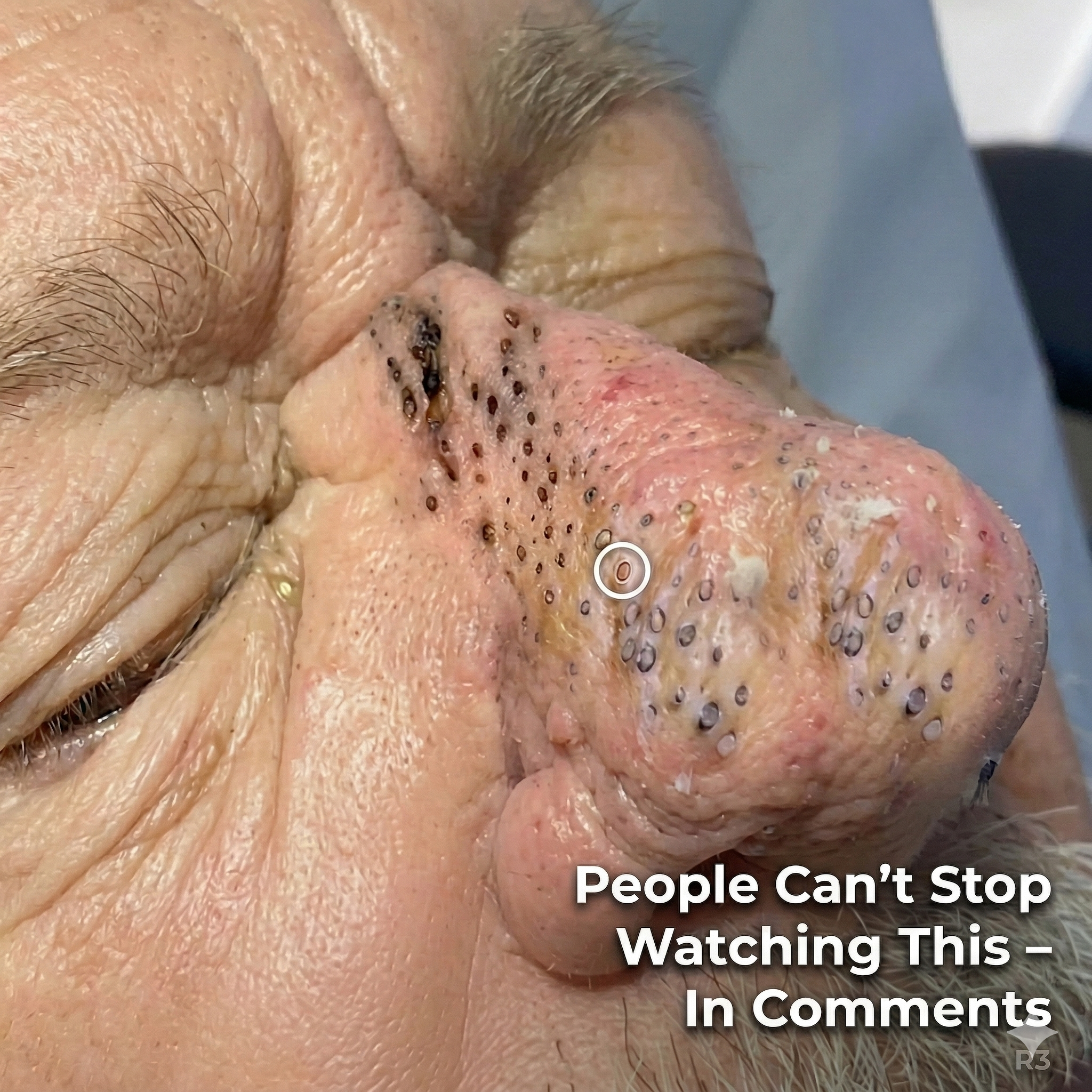
Video 1
Video 2
Video 3
Cutibacterium acnes is a naturally occurring bacterium that lives within the hair follicles and sebaceous glands of human skin. In healthy skin, this microorganism is part of the normal microbiome and typically exists in balance with other microbes. However, in acne-prone skin, changes inside the pore environment can allow Cutibacterium acnes to multiply more actively, contributing to inflammation and the formation of acne lesions. These bacteria thrive in oil-rich follicles where sebum accumulates, particularly when pores become partially blocked by excess keratin and dead skin cells. As the follicle becomes increasingly congested, oxygen levels decrease, creating an ideal environment for the bacteria to grow and interact with the immune system.
The inflammatory process associated with Cutibacterium acnes begins when bacterial enzymes break down sebum triglycerides into free fatty acids. These by-products can irritate the follicular lining and trigger immune responses within the skin. Immune cells recognize bacterial components and release inflammatory mediators, including cytokines and enzymes that contribute to redness, swelling, and tenderness. This process helps explain why some clogged pores remain non-inflamed blackheads or whiteheads, while others progress into inflamed papules or pustules. The transition from a simple comedone to inflammatory acne often involves the combined effects of bacterial activity, sebum buildup, and immune system signaling within the follicle.
Several biological and environmental factors can influence how strongly Cutibacterium acnes contributes to pore inflammation. Increased sebum production during puberty, hormonal fluctuations, or genetically active sebaceous glands can create an oil-rich environment that supports bacterial growth. At the same time, abnormal follicular keratinization can trap dead skin cells inside pores, forming microcomedones that serve as the earliest stage of acne. When these microcomedones enlarge, they create enclosed spaces where bacteria can accumulate. External factors such as heavy or pore-clogging skincare products, inadequate cleansing after sweating, and prolonged friction from masks or helmets may also contribute to follicular blockage that encourages bacterial activity.
The skin microbiome itself also plays a role in how Cutibacterium acnes behaves. Different strains of the bacterium exist on human skin, and some appear more strongly associated with inflammatory acne than others. A balanced microbial community may help limit excessive inflammation, while disruptions in the microbiome may allow more inflammatory strains to dominate. This understanding has encouraged researchers to explore treatments that not only reduce bacterial overgrowth but also help restore balance within the skin environment.
Many acne treatments are designed to reduce the conditions that allow Cutibacterium acnes to trigger inflammation. Benzoyl peroxide is commonly used because it releases oxygen into the follicle, creating an environment that reduces bacterial survival. Topical retinoids are often recommended to normalize the shedding of dead skin cells, helping prevent the clogged pores that allow bacteria to accumulate. Salicylic acid may help by penetrating oily follicles and loosening compacted keratin that contributes to comedone formation. Ingredients such as niacinamide are also frequently included in skincare routines because they may help calm inflammation and support the skin barrier while other treatments address pore congestion.
Dermatology-guided treatment plans sometimes combine several approaches to address both bacterial activity and the underlying causes of pore blockage. In moderate or persistent acne, topical or oral medications may be prescribed to reduce bacterial growth and inflammatory signaling more effectively. These therapies are often paired with gentle cleansers and non-comedogenic moisturizers to maintain the skin barrier while treatment is underway. Maintaining hydration and barrier support is important because overly harsh routines may irritate the skin and potentially worsen inflammation.
It is important to recognize that Cutibacterium acnes is not inherently harmful and cannot be completely eliminated from the skin. Instead, effective acne care focuses on controlling the conditions that allow the bacteria to trigger inflammation inside clogged pores. Because the development of acne involves multiple biological processes, including sebum production, follicular keratinization, microbial activity, and immune responses, treatment often requires consistent care over time. Individuals experiencing persistent or severe inflammatory acne may benefit from evaluation by a qualified dermatology professional who can recommend personalized treatment strategies based on the specific characteristics of their skin.