Balancing work and health can feel challenging, especially when you are dealing with uncomfortable bloating during the day.
Sitting for long hours, eating quickly between meetings, or relying on convenience foods can all leave you feeling heavy and distracted.
The good news is that with a few simple, practical changes, you can reduce bloating at work and feel more comfortable, energized, and focused.
Bloating often happens when gas builds up in the digestive system or when the body retains extra fluid.
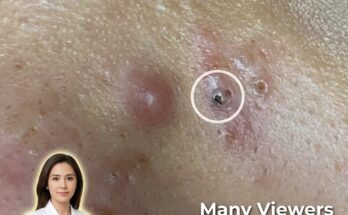
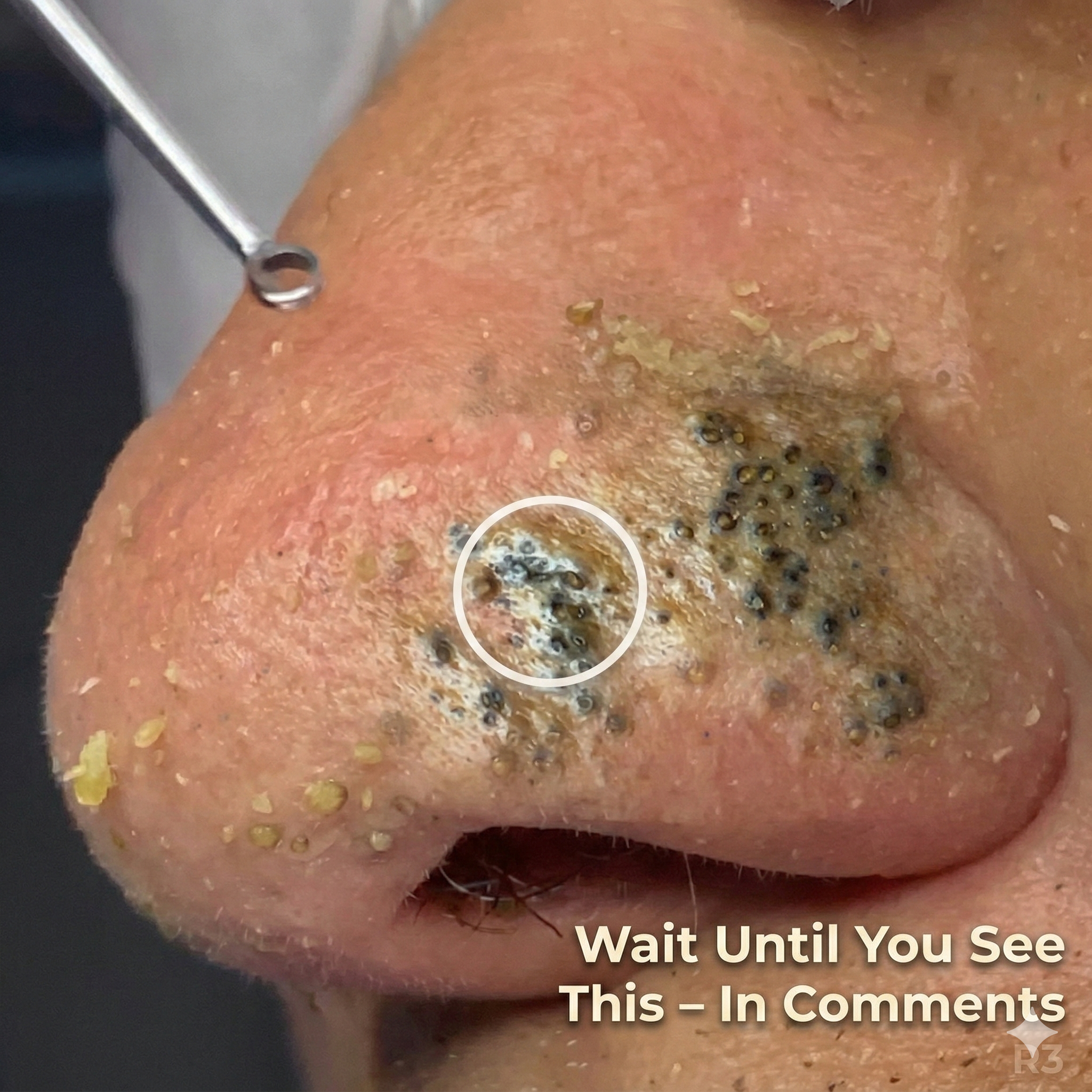
Hormonal transitions can significantly influence acne development because hormones directly affect the activity of sebaceous glands within the skin. During phases such as puberty, the menstrual cycle, pregnancy, postpartum recovery, or perimenopause, fluctuations in androgens may increase sebum production. Sebum is the oily substance that helps protect and lubricate the skin, but when produced in excess it can combine with dead skin cells inside the follicle. This mixture contributes to follicular keratinization and clogged pores, which form the earliest stage of acne known as microcomedones. As these blockages enlarge, they may develop into visible blackheads, whiteheads, or inflamed lesions.
Androgen fluctuations play a central role in these processes. Hormones such as testosterone and dihydrotestosterone can stimulate sebaceous gland enlargement and increased lipid production. When sebum accumulates inside pores already affected by abnormal shedding of keratinocytes, the follicular opening becomes obstructed. In oxygen-rich environments near the surface, this buildup can oxidize and form blackheads, while deeper blockages often present as whiteheads or inflammatory acne lesions. Hormonal shifts may also influence inflammatory signaling in the skin, which helps explain why breakouts during hormonal transitions can appear more tender or persistent.
Hormonal acne is often observed along the lower face, jawline, and chin, although it may also occur on the back or chest. The pattern can vary depending on the type of hormonal transition. Adolescents frequently experience widespread oily skin and comedonal acne due to rapidly increasing androgen levels during puberty. In adults, hormonal fluctuations may produce cyclical breakouts that occur at predictable times in the menstrual cycle. During perimenopause, declining estrogen levels may allow androgens to exert relatively stronger effects on sebaceous glands, sometimes contributing to renewed acne activity even in individuals who previously had clear skin.
Skincare habits can also influence how the skin responds to hormonal changes. When excess sebum production is combined with occlusive cosmetics, heavy moisturizers, or infrequent cleansing, the likelihood of pore congestion may increase. Environmental factors such as humidity and heat may further intensify oil production and sweating, which can trap debris within follicles. At the same time, overly aggressive cleansing or harsh exfoliation can disrupt the skin barrier, leading to irritation that may worsen inflammation and prolong the life cycle of acne lesions.
Evidence-informed skincare strategies often focus on keeping pores clear while supporting the skin barrier. Topical retinoids such as adapalene are commonly recommended because they help normalize keratinocyte turnover and reduce the formation of microcomedones. Salicylic acid may assist in exfoliating inside the pore lining due to its oil-soluble properties, helping to loosen compacted debris that contributes to blackheads and whiteheads. Benzoyl peroxide is frequently used to reduce acne-causing bacteria and may help decrease inflammatory breakouts. Ingredients such as niacinamide may also support skin barrier function while helping regulate oil production and calm redness.
For individuals experiencing persistent hormonal acne, dermatology-based treatments may be considered. Dermatologists sometimes prescribe topical retinoids, combination therapies, or oral medications depending on the severity and pattern of breakouts. In certain cases, hormonal therapies such as oral contraceptives or anti-androgen medications may be discussed when acne is strongly influenced by hormonal activity. These options are typically evaluated based on medical history and individual risk factors.
Managing acne during hormonal transitions often requires patience because the underlying hormonal environment can shift gradually over time. Consistent skincare routines that focus on gentle cleansing, appropriate exfoliation, and non-comedogenic products may help reduce pore congestion and support clearer skin. It is also important to avoid picking or squeezing lesions, as this behavior can increase inflammation and contribute to post-inflammatory hyperpigmentation or acne scarring.
While many over-the-counter ingredients may help control breakouts, persistent, painful, or scarring acne should be evaluated by a qualified healthcare professional. Hormonal acne can be influenced by multiple internal and external factors, and personalized treatment plans may provide more effective long-term management. Educational skincare resources emphasize that maintaining healthy skin during hormonal transitions often involves balancing oil regulation, supporting the skin barrier, and addressing follicular blockage before it progresses into more severe acne lesions.