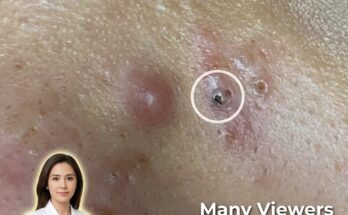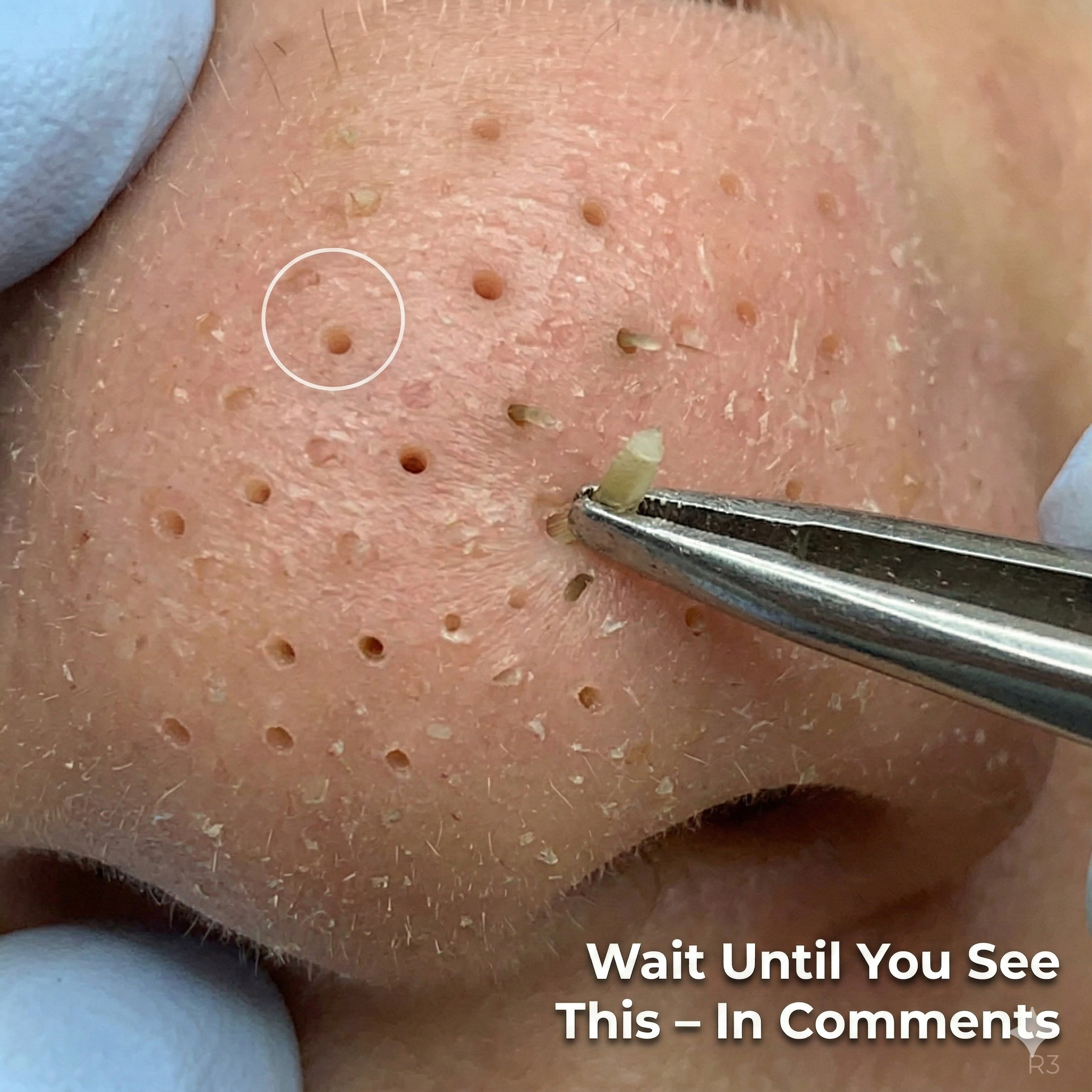
Video 1
Video 2
Video 3
Sulfur has been used in dermatology for many decades as a topical treatment for acne and other skin conditions. Its therapeutic effect is primarily related to its ability to influence the processes that lead to clogged pores and inflammation. Acne often begins with follicular keratinization, a process in which dead skin cells accumulate inside the hair follicle and mix with sebum produced by sebaceous glands. This mixture can form comedones, including blackheads and whiteheads, which may later become inflamed lesions. Sulfur is considered a keratolytic and mild antibacterial agent, meaning it can help loosen the buildup of dead skin cells within the pore while also creating an environment that may be less favorable for acne-associated bacteria.
When applied to the skin, sulfur promotes gentle exfoliation of the outermost layer of the epidermis. This process may assist in reducing pore congestion by encouraging the shedding of dead keratinocytes that would otherwise accumulate inside follicles. By supporting this turnover, sulfur may help prevent the formation of microcomedones, which are microscopic clogged pores that often develop before visible breakouts appear. In addition to its exfoliating action, sulfur can absorb excess oil from the skin surface. Since excess sebum production is a central factor in acne development, particularly in individuals with oily skin, this oil-reducing effect may help limit the conditions that allow pores to become blocked.
Sulfur also has mild antimicrobial properties. Acne is partly associated with the proliferation of Cutibacterium acnes, a bacterium that thrives within oil-rich follicles. Although sulfur is not considered as strongly antibacterial as ingredients such as benzoyl peroxide, it may still contribute to reducing bacterial activity within clogged pores. This combination of keratolytic, oil-absorbing, and antimicrobial effects is one reason sulfur has remained a component in many over-the-counter acne products, including spot treatments, masks, cleansers, and lotions.
Another reason sulfur is commonly used in acne care is its compatibility with certain skin types. Some individuals find that stronger treatments such as retinoids or benzoyl peroxide cause irritation, dryness, or redness, particularly when the skin barrier is already compromised. Sulfur is often perceived as a gentler alternative that can still address pore congestion and mild inflammatory lesions. It is frequently combined with other ingredients such as salicylic acid, resorcinol, or sodium sulfacetamide to enhance its overall effectiveness in treating comedonal acne and superficial breakouts.
Despite its benefits, sulfur is not universally suitable for every acne case. The ingredient has a distinctive odor and may cause dryness or mild irritation in some individuals, particularly when used frequently or in high concentrations. It may be more helpful for mild to moderate acne characterized by blackheads, whiteheads, and occasional inflamed pimples rather than severe cystic acne. In cases of persistent or widespread breakouts, dermatologists often recommend combining multiple treatment approaches, such as topical retinoids that regulate cell turnover or prescription therapies that address hormonal or inflammatory components of acne.
As with most acne treatments, results from sulfur-based products tend to appear gradually. Improvements in pore congestion and oil balance may take several weeks of consistent use, and overuse can disrupt the skin barrier if products are applied too aggressively. Patch testing new skincare products and introducing treatments slowly may help minimize irritation, especially for individuals with sensitive skin.
Sulfur remains an established ingredient in acne treatment because it targets several early steps in the development of clogged pores and breakouts. When used appropriately within a balanced skincare routine, it may contribute to clearer pores and reduced oiliness for some individuals. However, acne is a complex skin condition influenced by hormones, genetics, skincare habits, and environmental factors, so treatment responses can vary. Individuals experiencing persistent or severe acne may benefit from consulting a qualified dermatology professional to determine the most appropriate treatment plan.