When we think about the world around us, we often overlook the intricate dance of elements and compounds that shape our everyday lives.
Chemistry, in its many forms, is the foundation of everything we touch, taste, and feel.
Among the various branches of chemistry, organic and inorganic chemistry stand out as two fascinating realms, each with its unique characteristics and significance.
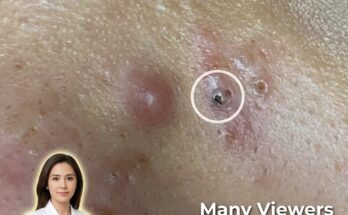
Salicylic acid is a beta hydroxy acid that penetrates into oil-filled pores and helps dissolve the mixture of sebum and dead skin cells that contributes to clogged pores. In acne-prone skin, excess sebum production and abnormal follicular keratinization lead to the formation of microcomedones, which can later become blackheads, whiteheads, or inflamed lesions. Because salicylic acid is oil-soluble, it can travel into the pore lining and support gentle exfoliation within the follicle. This process may help reduce comedonal acne and improve the appearance of enlarged pores over time, but visible results depend on consistent use and the individual’s skin cycle.
Most people begin to notice early improvements in skin texture and congestion within two to four weeks of regular application. This timeframe reflects the natural turnover cycle of the epidermis, which typically ranges from about four weeks in younger individuals to longer in adults. During this period, salicylic acid works to gradually clear existing clogged pores and reduce the formation of new ones. For more persistent blackheads or whiteheads, it may take six to eight weeks of consistent use before clearer changes are visible. In cases of inflammatory acne, salicylic acid can contribute to improvement, but it may work best when combined with other evidence-based treatments such as benzoyl peroxide or topical retinoids.
The appropriate duration of use also depends on formulation and skin tolerance. Lower concentrations, commonly between 0.5 and 2 percent in over-the-counter skincare products, are often suitable for ongoing maintenance in oily skin or individuals prone to clogged pores. Leave-on formulations such as serums or toners typically provide more sustained contact than rinse-off cleansers, which may produce milder effects. However, daily use is not always necessary at the start. Introducing salicylic acid gradually, such as two to three times per week, may help minimize irritation while allowing the skin barrier to adjust.
Several factors influence how quickly results appear. Hormonal fluctuations can continue to stimulate sebum production, which means pore congestion may persist if underlying triggers remain active. Environmental conditions such as humidity and sweat can also affect oil production. In addition, combining salicylic acid with other active ingredients without proper guidance may increase dryness or irritation, potentially compromising the skin barrier. When the barrier becomes impaired, inflammation can worsen, sometimes leading to more visible breakouts rather than improvement.
For long-term acne management, salicylic acid is often used as part of a broader skincare strategy rather than as a short-term treatment. Many individuals continue using it for several months or as maintenance after improvement is achieved, particularly if they are prone to recurrent blackheads or oily skin. If there is no noticeable improvement after eight to twelve weeks of consistent and appropriate use, reassessment may be helpful. At that point, a dermatologist can evaluate whether prescription retinoids, hormonal therapy, or other targeted treatments may be more suitable.
It is important to maintain realistic expectations. Salicylic acid can help reduce clogged pores and support clearer skin, but it does not permanently alter sebum production or eliminate acne entirely. Consistency, gentle skin barrier support with moisturizers containing ingredients such as niacinamide, and daily sunscreen use are important when incorporating exfoliating acids. Individuals with persistent, painful, or widespread acne should seek professional medical advice to ensure a safe and effective treatment plan tailored to their skin type and severity.