Balancing work and health is a challenge many people face, especially in today’s fast-paced world where demands often extend beyond traditional office hours.
Constantly rushing to meet deadlines, juggling multiple projects, or skipping meals and rest can quickly lead to stress and burnout.
One of the most effective ways to maintain both productivity and well-being is by creating a sustainable schedule.
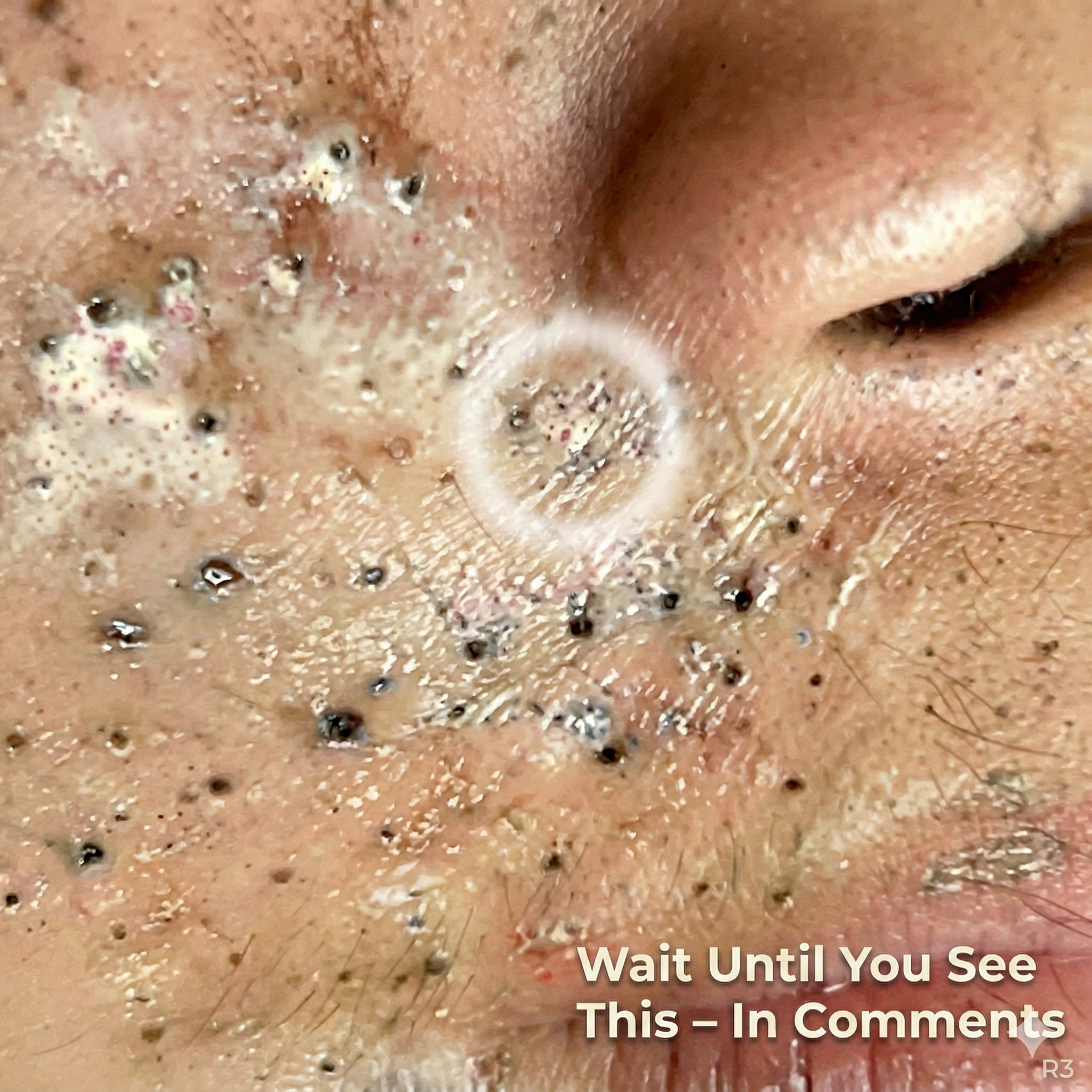
Combination skin reflects an uneven distribution of sebaceous gland activity across the face. In this skin type, the central region known as the T-zone, which includes the forehead, nose, and chin, tends to produce more sebum, while the cheeks and jawline may remain normal or even dry. This imbalance creates distinct microenvironments within the same face. In oilier zones, excess sebum mixes with shed keratinocytes inside the follicle, increasing the likelihood of clogged pores and comedonal acne such as blackheads and whiteheads. In drier areas, reduced lipid content can compromise the skin barrier, making the skin more prone to irritation and reactive inflammation. Breakouts in combination skin therefore arise from both oil-related congestion and barrier-related sensitivity.
Sebum production is strongly influenced by hormones, particularly androgens, which stimulate sebaceous glands. Individuals with combination skin may have sebaceous glands that respond unevenly to hormonal signaling, leading to localized oiliness rather than uniform oily skin. Genetics can also influence pore size, oil output, and inflammatory tendencies. Environmental factors such as humidity and temperature shifts may exaggerate oil production in the T-zone while worsening dryness in peripheral areas. Skincare habits play a significant role as well. Over-cleansing in an attempt to control shine can disrupt barrier function, prompting compensatory oil production and potentially worsening breakouts. Conversely, applying heavy or occlusive products to dry areas may inadvertently clog pores in oil-prone zones.
Breakouts in combination skin often follow recognizable patterns. The forehead and nose may develop blackheads due to persistent congestion, while the chin can be prone to inflammatory pimples influenced by hormonal fluctuations. On the cheeks, irritation from harsh exfoliants or active ingredients may trigger redness and small inflammatory lesions that resemble acne but are partly driven by barrier disruption. This dual nature requires a balanced approach that addresses excess sebum without stripping the skin.
Evidence-informed management typically begins with a gentle, pH-balanced cleanser used twice daily to remove excess oil while preserving barrier integrity. Salicylic acid may help in oilier areas because it penetrates into pores and assists with dissolving sebum and debris. Topical retinoids are often recommended to normalize follicular keratinization and reduce the formation of comedones across the entire face, though they should be introduced gradually to minimize irritation in drier zones. Benzoyl peroxide can be applied selectively to active inflammatory lesions to reduce bacterial proliferation. Niacinamide is commonly used in combination skin routines because it may help regulate oil production while supporting barrier repair and reducing visible redness.
Moisturization remains essential even for oil-prone regions. Lightweight, non-comedogenic formulations can provide hydration without contributing to clogged pores. In drier areas, layering a slightly richer moisturizer may help maintain barrier function and reduce irritation from acne treatments. Sunscreen is also important, particularly when using retinoids or chemical exfoliants, as ultraviolet exposure can worsen post-inflammatory hyperpigmentation and impair skin recovery.
Professional dermatologic treatments may be considered if breakouts are persistent or scarring. Options can include prescription-strength retinoids, hormonal therapy when indicated, or procedural treatments such as chemical peels tailored to combination skin. These interventions aim to reduce both comedonal formation and inflammation while respecting the skin’s variable oil distribution.
Realistic expectations are important when managing combination skin. Because different facial zones behave differently, improvement often requires consistent, targeted adjustments rather than a single universal product. Overuse of exfoliating acids or drying agents may temporarily reduce shine but can increase irritation and rebound oiliness. A gradual, balanced strategy that supports both sebum regulation and barrier health is generally more sustainable. Individuals with ongoing, painful, or treatment-resistant acne should seek evaluation from a qualified healthcare professional to develop a personalized plan.