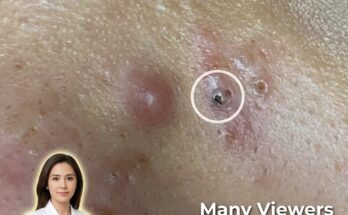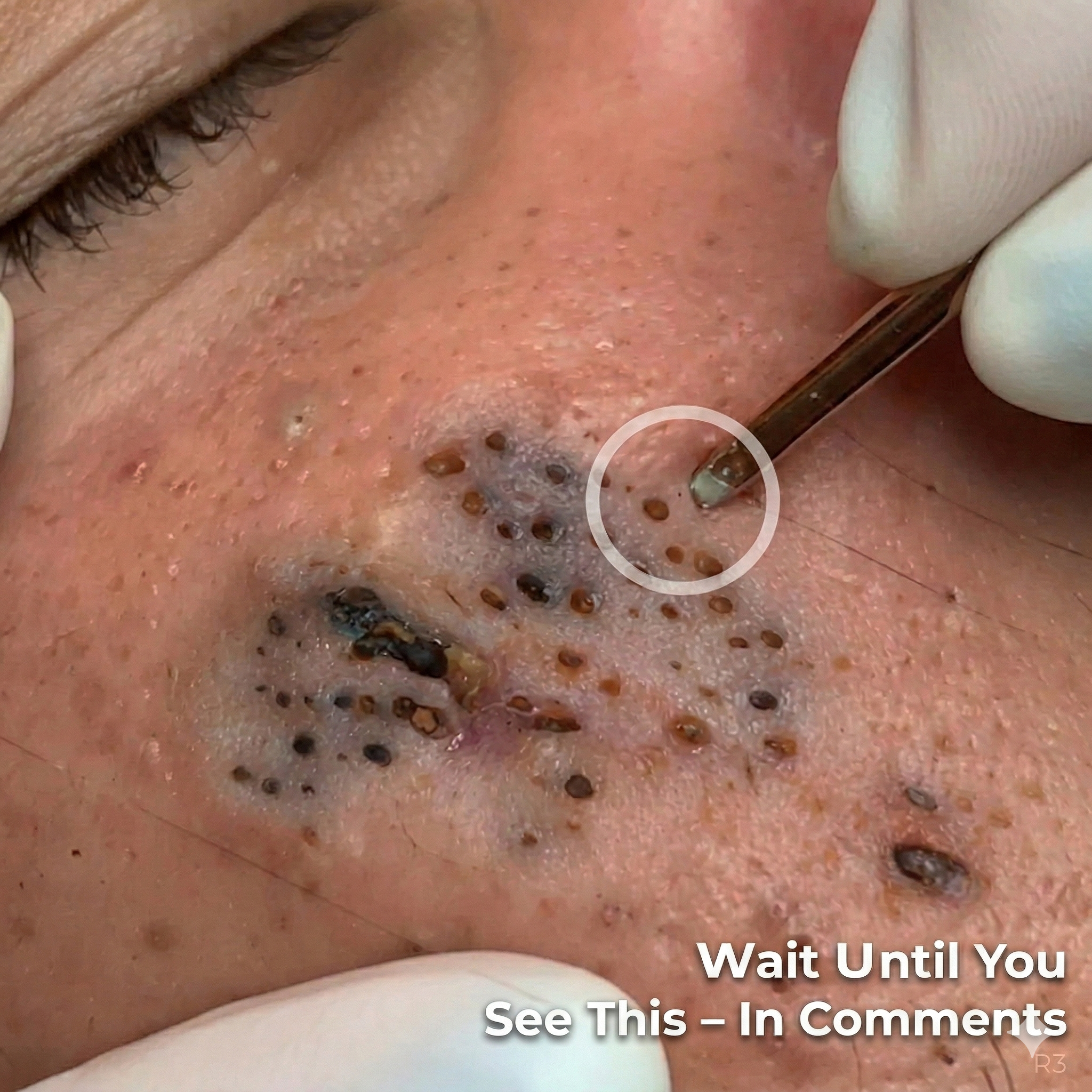
Video 1
Video 2
Video 3
Acne begins at the microscopic level inside the hair follicle, where sebum and keratinocytes interact in a tightly regulated environment. Under normal conditions, skin cells shed gradually and rise to the surface without obstruction. In acne-prone skin, however, follicular keratinization becomes abnormal. Excess keratinocytes mix with sebum and form a plug that partially or completely blocks the pore. This early lesion is known as a microcomedone and represents the starting point of both blackheads and whiteheads. At this stage, the process is largely non-inflammatory. The transformation into a visible, red pimple occurs when inflammation is triggered within this clogged pore.
Once a pore is blocked, sebum accumulates beneath the surface, creating an oxygen-poor environment. This setting favors the overgrowth of Cutibacterium acnes, a bacterium naturally present on the skin. As bacterial populations increase, they break down trapped sebum into free fatty acids and release pro-inflammatory signals. The immune system responds by sending inflammatory cells to the follicle. Blood vessels dilate, fluid accumulates, and the surrounding tissue becomes swollen. What began as a simple clogged pore can then develop into an inflamed papule or pustule. If inflammation extends deeper into the dermis, more painful nodules or cystic lesions may form.
Hormonal fluctuations are a major contributor to this cascade. Androgens stimulate sebaceous glands to produce more oil, increasing the likelihood of pore blockage. This explains why acne often worsens during puberty, menstrual cycles, or periods of hormonal imbalance. Genetic predisposition can also influence sebaceous gland activity and inflammatory responsiveness. Individuals with oily skin may experience more persistent clogging, while those with sensitive skin may develop more visible redness once inflammation begins.
Skincare habits and environmental exposures can further amplify the inflammatory response. Overwashing or using harsh cleansers may impair the skin barrier, making follicles more reactive. Occlusive or comedogenic cosmetic products can trap debris in pores, while heavy haircare products may contribute to breakouts along the hairline. Diets high in refined carbohydrates have been associated in some studies with increased insulin signaling, which may indirectly stimulate sebum production and inflammation. Stress is another factor that can elevate cortisol levels, potentially worsening inflammatory acne.
Evidence-informed treatment strategies aim to interrupt this progression at multiple stages. Topical retinoids such as adapalene or tretinoin are commonly used to normalize follicular keratinization and reduce the formation of new comedones. By improving cell turnover, retinoids help prevent clogged pores from developing into inflammatory lesions. Salicylic acid, a beta hydroxy acid, penetrates into the pore and helps dissolve excess oil and debris, making it particularly useful for blackheads and whiteheads. Benzoyl peroxide reduces Cutibacterium acnes populations and has anti-inflammatory properties, which may limit the transition from a clogged pore to a red pimple. Niacinamide may support barrier function and reduce visible redness, complementing other acne treatments.
For individuals with persistent or moderate to severe inflammatory acne, dermatologists may recommend prescription-strength retinoids, topical or oral antibiotics, hormonal therapies, or isotretinoin in carefully selected cases. Professional chemical peels and light-based treatments may also help reduce comedones and inflammation under medical supervision. Treatment selection should be individualized based on skin type, acne severity, and tolerance to active ingredients.
It is important to recognize that inflammation is not immediate; a clogged pore can exist invisibly for weeks before becoming a pimple. Consistent preventive skincare is therefore more effective than spot-treating only visible lesions. Improvements typically require several weeks because the acne cycle unfolds gradually beneath the surface. While many over-the-counter ingredients are supported by dermatologic research, no single product permanently eliminates acne, and irritation from overuse may worsen inflammation. Persistent, painful, or scarring acne warrants evaluation by a qualified healthcare professional.
Understanding how inflammation transforms a clogged pore into a pimple highlights why early intervention and barrier-conscious skincare are central to acne management. Addressing excess sebum, abnormal shedding, bacterial overgrowth, and immune activation together provides a more comprehensive and sustainable approach to clearer skin