Balancing work and health has become one of the biggest challenges of modern life.
For many people, work now happens almost entirely on screens.
Laptops, tablets, and smartphones help us stay connected and productive, but they can also quietly drain our energy, affect our posture, and disrupt our sleep.
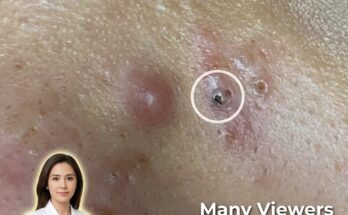
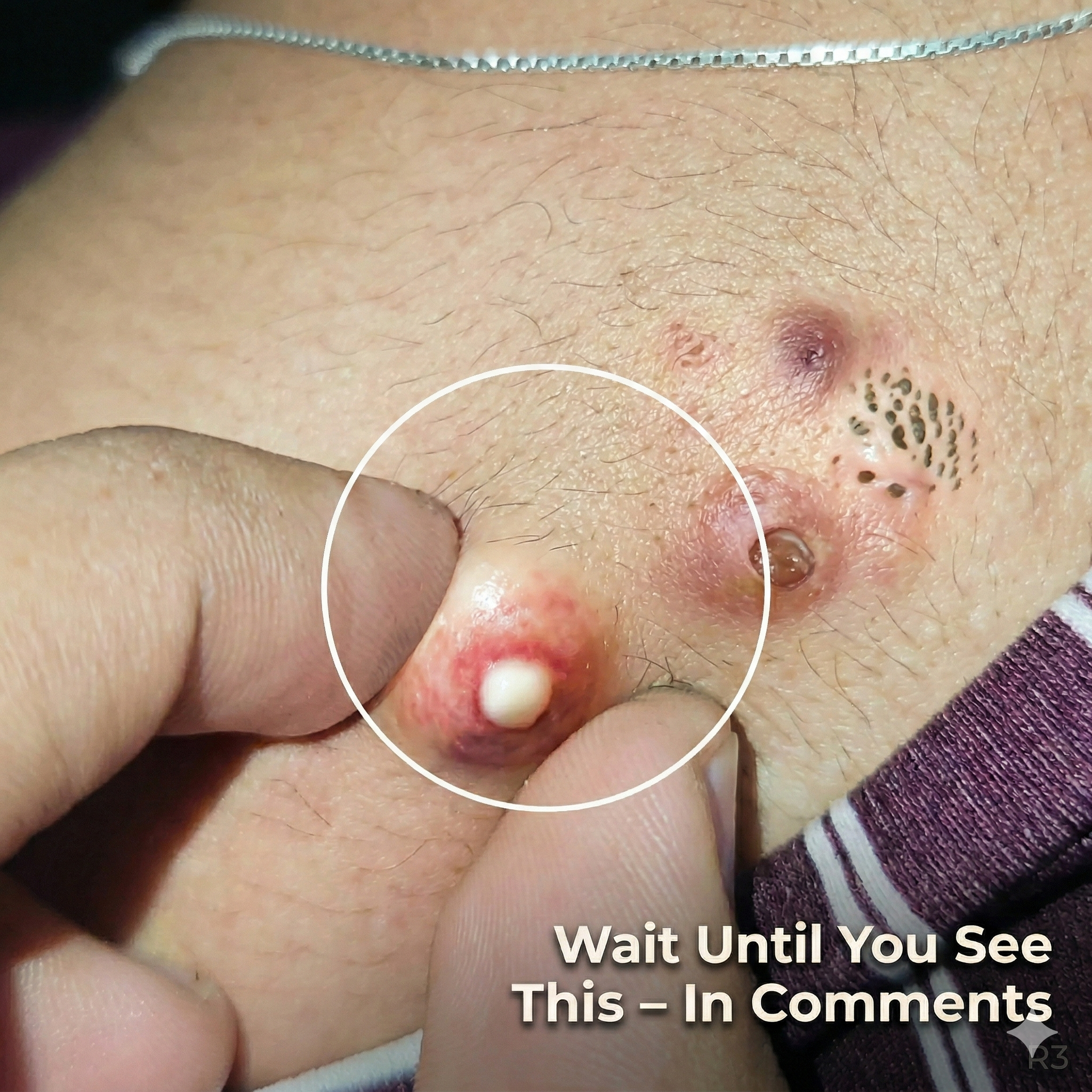
Zinc plays a multifaceted role in acne-prone skin due to its involvement in inflammation control, sebum regulation, immune response, and wound healing. Acne develops through a combination of excess sebum production, abnormal follicular keratinization that leads to clogged pores, proliferation of Cutibacterium acnes, and subsequent inflammation. Zinc is an essential trace mineral that participates in enzymatic reactions affecting skin barrier integrity and immune modulation. It may help reduce inflammatory signaling within acne lesions and can influence sebaceous gland activity, which is particularly relevant for individuals with oily skin and recurrent comedones such as blackheads and whiteheads.
One of the primary mechanisms by which zinc may benefit acne involves its anti-inflammatory properties. Acne papules and pustules form when clogged pores become inflamed, and zinc is known to modulate cytokine activity that contributes to redness and swelling. Zinc may also exhibit mild antibacterial effects against acne-associated bacteria, although it is not considered a standalone antimicrobial treatment like benzoyl peroxide. Additionally, zinc supports normal keratinocyte behavior, which may help reduce the abnormal shedding and buildup of dead skin cells that contribute to follicular blockage and microcomedone formation.
Hormonal influences can further explain why zinc is often discussed in acne management. Androgen hormones stimulate sebum production, and elevated sebum levels increase the likelihood of clogged pores. Some research suggests that zinc may indirectly influence androgen metabolism or reduce the inflammatory response triggered by excess oil production. Genetic predisposition, diet, stress, and environmental exposures can all affect zinc levels and overall skin health. Individuals with insufficient dietary intake or impaired absorption may experience delayed wound healing and more persistent inflammatory lesions.
Zinc is used both topically and orally in dermatology. Oral zinc supplements are sometimes recommended for moderate inflammatory acne, particularly when patients prefer alternatives to systemic antibiotics. However, dosing must be carefully considered to avoid gastrointestinal side effects or mineral imbalances. Topical zinc formulations are commonly found in acne-focused skincare products, often combined with ingredients such as niacinamide, which supports barrier function and reduces redness, or salicylic acid, which penetrates pores to dissolve oil and debris. Zinc may also be paired with retinoids to complement their effects on follicular turnover or with benzoyl peroxide in formulations designed to target inflammatory breakouts.
In patients with predominantly comedonal acne characterized by blackheads and whiteheads, zinc alone is unlikely to resolve clogged pores without additional keratolytic support. Retinoids remain a cornerstone therapy for normalizing follicular keratinization, while salicylic acid assists with exfoliation inside pores. Zinc may serve as a supportive ingredient that reduces irritation and calms inflammation during active treatment. In individuals with oily skin, zinc-containing moisturizers or serums may help provide lightweight oil control without compromising the skin barrier, which is essential because over-drying the skin can paradoxically increase sebum production.
Professional dermatology care may incorporate zinc as part of a broader treatment plan that includes prescription retinoids, hormonal therapies, or procedural interventions such as chemical peels when indicated. Zinc supplementation should be guided by a qualified healthcare professional, particularly for long-term use, as excessive intake can interfere with copper balance and other physiological processes. Topical products containing zinc are generally well tolerated but should still be patch tested in sensitive individuals.
While zinc may help reduce inflammation and support acne-prone skin, it is not considered a cure for acne. Its benefits are typically gradual and most noticeable when combined with evidence-based skincare practices and consistent treatment routines. Individuals experiencing persistent, painful, or scarring acne should consult a dermatologist for personalized evaluation and management. Educational skincare guidance, such as that outlined in the PROJECT: ACNE & SKINCARE EDUCATIONAL CONTENT framework, emphasizes that balanced, mechanism-based approaches tend to provide more reliable long-term outcomes than reliance on a single ingredient alone.