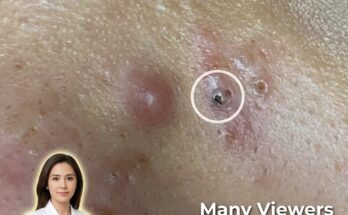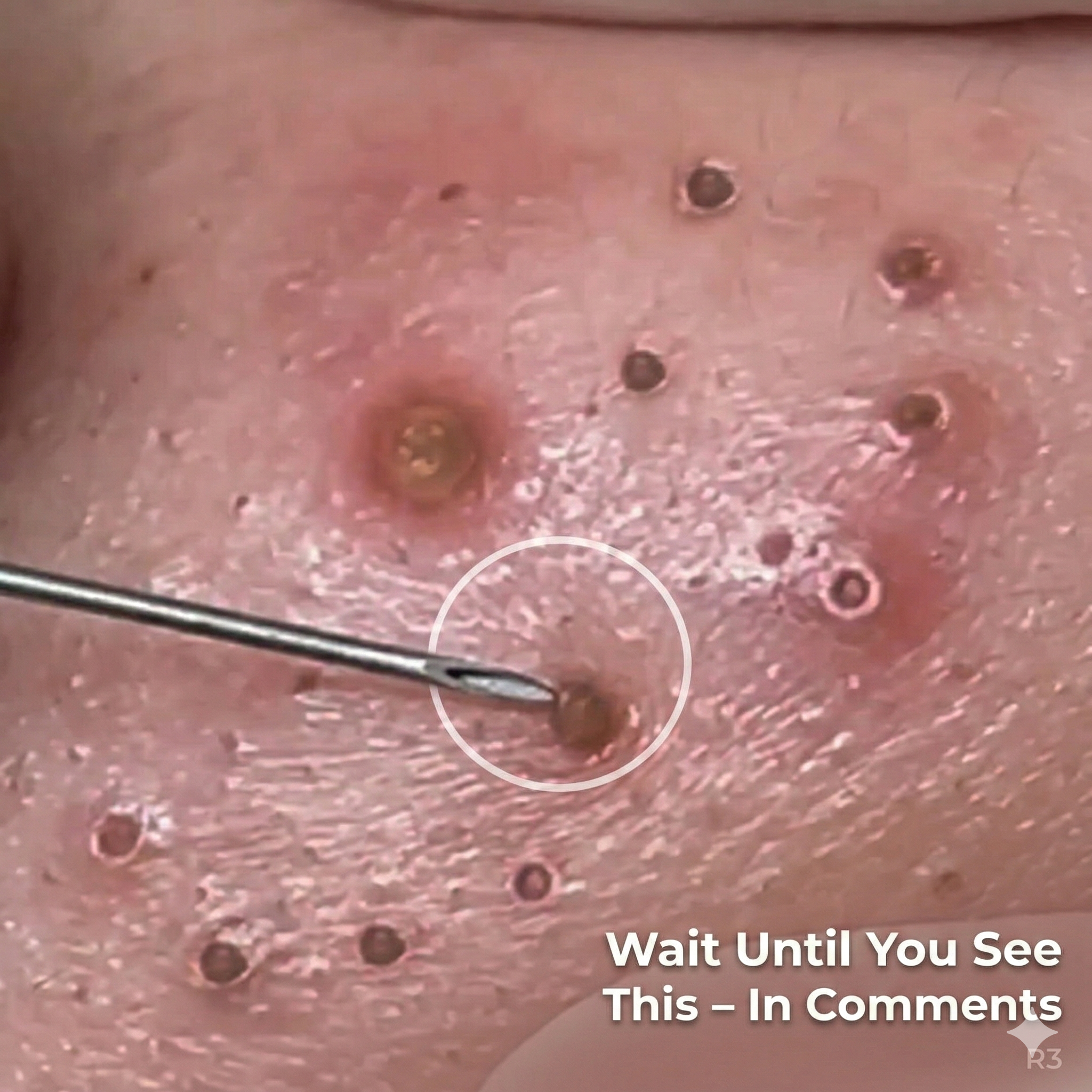
Video 1
Video 2
Video 3
Acne development is influenced by a combination of sebum production, follicular keratinization, bacterial activity, and inflammation within the pore. Sleep plays a regulatory role in several of these biological processes. During normal sleep cycles, the body maintains hormonal balance, supports immune regulation, and facilitates skin barrier repair. When sleep is disrupted or insufficient, stress hormones such as cortisol may remain elevated. Increased cortisol can stimulate sebaceous glands, leading to greater sebum output, which in turn can contribute to clogged pores, blackheads, whiteheads, and inflammatory acne lesions. At the same time, inadequate sleep may impair the skin’s natural repair mechanisms, potentially worsening redness and prolonging healing time for existing breakouts.
Hormonal rhythms are closely tied to circadian patterns. Melatonin, growth hormone, and other restorative mediators are released during deep sleep and help support collagen production and barrier integrity. When sleep deprivation occurs, inflammatory signaling may increase while skin barrier function weakens. A compromised barrier can allow greater transepidermal water loss, leading to dehydration that paradoxically encourages oily skin to produce more sebum as compensation. This imbalance may create an environment where microcomedones form more easily, especially in individuals already prone to comedonal acne.
Behavioral factors associated with poor sleep can also indirectly influence acne. Fatigue may reduce consistency with skincare routines, including cleansing away excess oil and environmental debris. Late nights may be associated with higher glycemic food intake, which can influence insulin levels and potentially stimulate androgen activity that affects pore activity. In addition, increased stress from chronic sleep restriction may amplify inflammatory pathways, contributing to painful acne lesions in susceptible individuals. While genetics largely determine baseline oil production and acne severity, lifestyle patterns such as sleep quality can modify how frequently breakouts occur.
Addressing acne in the context of sleep disruption involves both targeted skincare and overall lifestyle regulation. Topical retinoids are commonly used to normalize follicular keratinization and reduce the formation of clogged pores. Salicylic acid may help exfoliate within the pore lining, making it useful for blackheads and whiteheads. Benzoyl peroxide is often recommended for inflammatory acne because it reduces acne-causing bacteria and helps calm active lesions. Niacinamide may support barrier repair while moderating oil production and redness. For individuals experiencing persistent or moderate to severe acne, dermatology-guided treatments such as prescription retinoids, hormonal therapy, or in-office procedures may be considered.
Improving sleep hygiene may complement topical treatment. Maintaining consistent sleep schedules, limiting blue light exposure before bedtime, and managing stress may support hormonal balance and reduce systemic inflammation. However, it is important to recognize that sleep optimization alone is unlikely to resolve acne if underlying factors such as genetics, hormonal fluctuations, or inappropriate skincare products remain unaddressed. Acne management typically requires a multifaceted approach that targets sebum regulation, pore turnover, and inflammation simultaneously.
Realistic expectations are essential. Improvements in acne often take several weeks to become visible, particularly when retinoids or other cell-regulating ingredients are introduced. Overuse of active ingredients in an attempt to accelerate results can damage the skin barrier and potentially worsen breakouts. Individuals with persistent, painful, or scarring acne should seek evaluation from a qualified healthcare professional to develop a tailored treatment plan. While sleep is not the sole cause of acne, consistent, restorative rest may contribute to a healthier skin environment and support long-term acne control when combined with evidence-based skincare strategies.