Life rarely unfolds in a straight line.
Plans change, obstacles appear, and sometimes progress feels slower than expected.
Challenges are a natural part of growth, yet the way we interpret them can either drain our energy or strengthen our confidence.
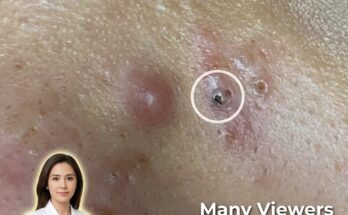
Hormonal fluctuations play a central role in acne development by influencing sebaceous gland activity, follicular keratinization, and inflammatory signaling within the skin. Androgens, particularly testosterone and its more potent derivative dihydrotestosterone, stimulate sebaceous glands to produce sebum. When excess oil combines with dead skin cells that are not shed efficiently from the follicle, clogged pores can form. These microcomedones may evolve into blackheads, whiteheads, or inflamed acne lesions depending on bacterial activity and immune response. Hormonal contraceptives can alter this process by modifying circulating hormone levels, which in turn affects sebum production and the environment within the pore.
Combined oral contraceptives typically contain both estrogen and a synthetic progestin. Estrogen can suppress ovarian androgen production and increase levels of sex hormone-binding globulin, which reduces the amount of free testosterone available to stimulate oil glands. As a result, some individuals experience a reduction in oily skin, fewer clogged pores, and gradual improvement in comedonal and inflammatory acne. Certain formulations are commonly prescribed specifically for acne management because their progestins have lower androgenic activity. However, not all hormonal contraceptives have the same effect. Progestin-only methods, including some pills, injections, implants, or hormonal intrauterine devices, may have neutral or occasionally androgenic effects depending on the specific compound, which can contribute to increased sebum production and new breakouts in susceptible individuals.
Individual response to hormonal contraceptives varies due to genetics, baseline hormone levels, underlying conditions such as polycystic ovary syndrome, and skin type. Those with naturally oily skin or a history of hormonally driven acne along the jawline and lower face may notice clearer skin with certain combined contraceptives. Others may experience new-onset acne after starting or stopping a hormonal method due to shifts in androgen balance. Discontinuation can sometimes trigger temporary breakouts as endogenous hormone production resumes and sebaceous glands readjust.
Skincare practices remain important regardless of contraceptive use. Even when hormonal therapy reduces sebum output, follicular keratinization can still contribute to clogged pores. Topical retinoids are often recommended because they normalize cell turnover within the follicle and help prevent microcomedone formation. Salicylic acid may help exfoliate inside the pore lining and reduce blackheads and whiteheads, while benzoyl peroxide can reduce acne-causing bacteria and limit inflammatory lesions. Niacinamide may support the skin barrier and help regulate oil production while reducing redness. Gentle cleansing is important to remove excess oil without disrupting barrier function, as over-cleansing or harsh exfoliation can provoke irritation that worsens inflammation.
For individuals whose acne persists despite over-the-counter skincare, dermatology evaluation may be appropriate. Prescription-strength retinoids, combination topical therapies, or oral medications such as certain combined oral contraceptives or anti-androgen treatments may be considered based on clinical assessment. Treatment selection depends on acne severity, distribution, medical history, and contraceptive needs. It is important to note that improvement typically occurs gradually over several months, as changes in sebum production and follicular cycling require time to translate into visible skin changes.
Hormonal contraceptives can be an effective component of acne management for some individuals, but they are not universally beneficial and are not a guaranteed solution. Skin response depends on the formulation used and individual hormonal sensitivity. Anyone experiencing persistent, severe, or distressing acne should consult a qualified healthcare professional to determine the most appropriate and safe treatment plan. Educational content in this article is developed in alignment with professional dermatology-focused standards for acne and skincare communication.