Video 1
Video 2
Video 3
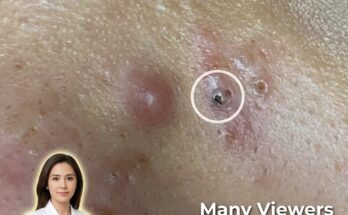
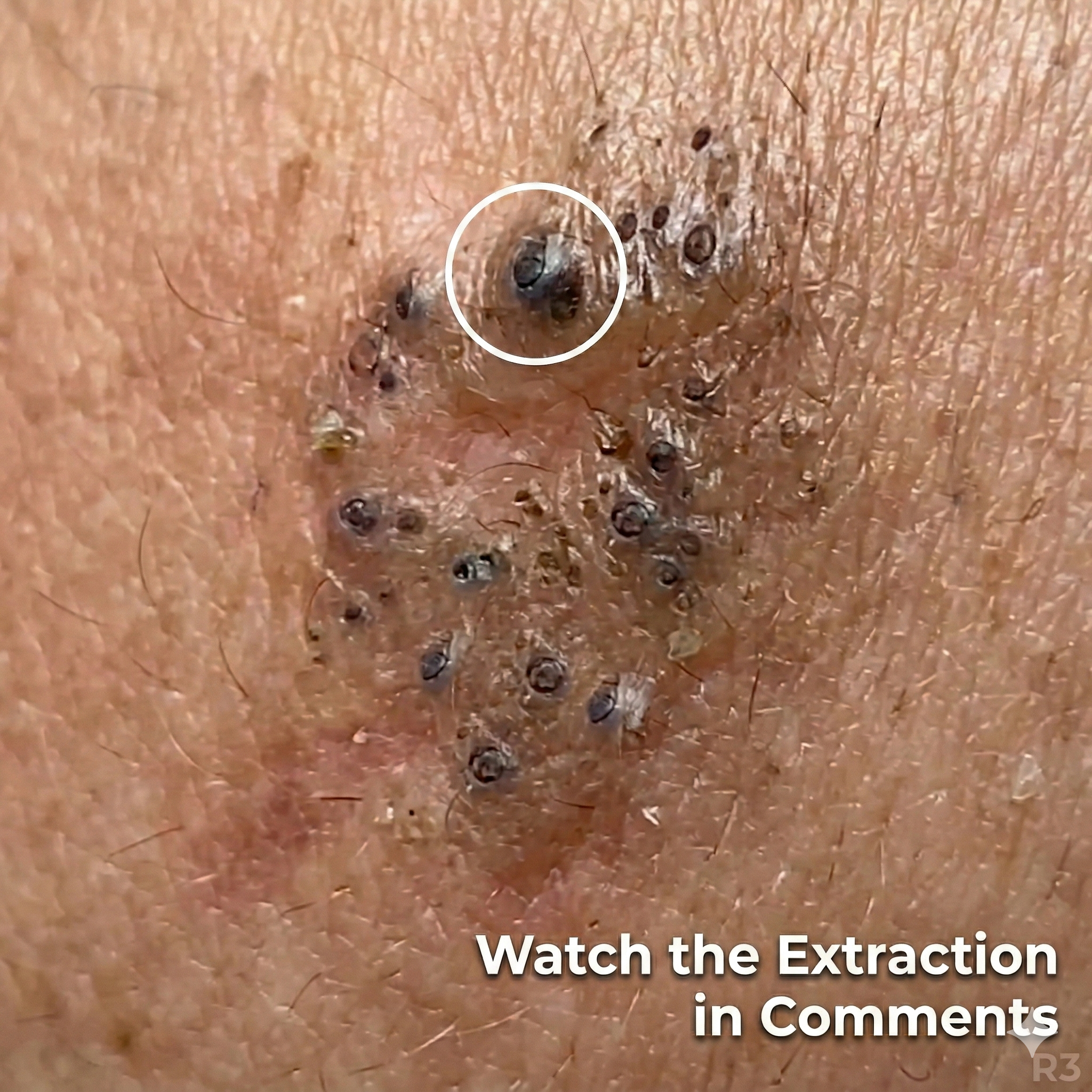
Occlusive products are designed to create a protective barrier on the surface of the skin, reducing transepidermal water loss and supporting skin barrier function. These ingredients form a film that slows moisture evaporation, which can be beneficial for individuals with dry or compromised skin. However, in acne-prone skin, the interaction between occlusion, sebum production, and follicular keratinization requires careful consideration. When excess oil, dead skin cells, and external residue accumulate within the pore, the environment can favor clogged pores and the development of comedones, including blackheads and whiteheads.
Acne develops through a combination of increased sebum production, abnormal shedding of keratinocytes within the follicle, and inflammation. In individuals with oily skin, sebaceous glands are already active. When heavy occlusive formulations are layered over this environment, they may trap oil and debris against the skin surface. Although occlusive ingredients do not inherently cause acne, certain textures and formulations can contribute to pore congestion in those who are already prone to breakouts. The risk often depends more on the overall formula and the individual’s skin biology than on a single ingredient alone.
Common occlusive ingredients include petrolatum, mineral oil, lanolin, and various plant butters. Petrolatum and mineral oil are generally considered non-comedogenic in their pure forms and are unlikely to penetrate into pores deeply enough to cause blockages. However, thicker creams containing multiple emollients and occlusives, especially when applied in excess, may feel heavy on oily or acne-prone skin. In humid climates or under conditions where sweat and sebum production are elevated, such layering can create an occlusive microenvironment that may worsen existing acne lesions.
Occlusion can also indirectly influence inflammation. When pores are already partially clogged, sealing the skin with a dense product may exacerbate pressure within the follicle. This can increase the likelihood that a non-inflammatory comedone progresses into an inflamed papule or pustule. Friction from masks, tight clothing, or resting the face on hands may further aggravate occluded areas, particularly along the jawline and cheeks.
Despite these concerns, occlusive products are not universally harmful for acne-prone skin. In fact, maintaining a healthy skin barrier is an essential component of acne management. Many acne treatments, including retinoids, benzoyl peroxide, and salicylic acid, can cause dryness and irritation. In these situations, a lightweight, non-comedogenic moisturizer with balanced humectants, emollients, and mild occlusive properties may help reduce barrier disruption. A compromised barrier can trigger increased sebum production and inflammation, potentially worsening acne over time.
When selecting skincare for acne-prone skin, texture and formulation often matter more than marketing labels. Gel-based or lotion formulations may feel more breathable than thick balms or heavy creams. Ingredients such as niacinamide can support barrier repair while helping regulate oil production. Retinoids remain foundational for normalizing follicular keratinization, while salicylic acid may help keep pores clear. These active ingredients can be paired with moisturizers that provide sufficient hydration without excessive occlusion.
It is also important to consider application habits. Applying a very thick layer of any product, even one labeled non-comedogenic, may increase the risk of congestion in individuals prone to clogged pores. Patch testing new products and introducing them gradually can reduce the likelihood of irritation or unexpected breakouts. If acne worsens consistently after starting a specific product, discontinuation and reassessment may be appropriate.
Ultimately, the relationship between occlusive products and acne-prone skin is nuanced. Occlusives can support barrier integrity, yet certain formulations may contribute to pore congestion in susceptible individuals. Achieving balance through appropriate product selection, consistent use of evidence-based acne treatments, and professional guidance when needed offers the most reliable approach for managing breakouts while preserving skin health.