Turning 30 often brings a subtle shift in priorities.
Careers become more demanding, responsibilities grow, and time feels more limited than ever.
Many professionals notice that the habits that worked in their twenties no longer deliver the same results.
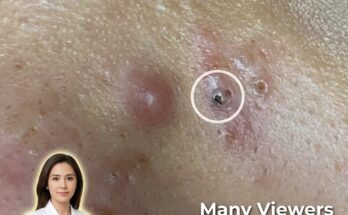
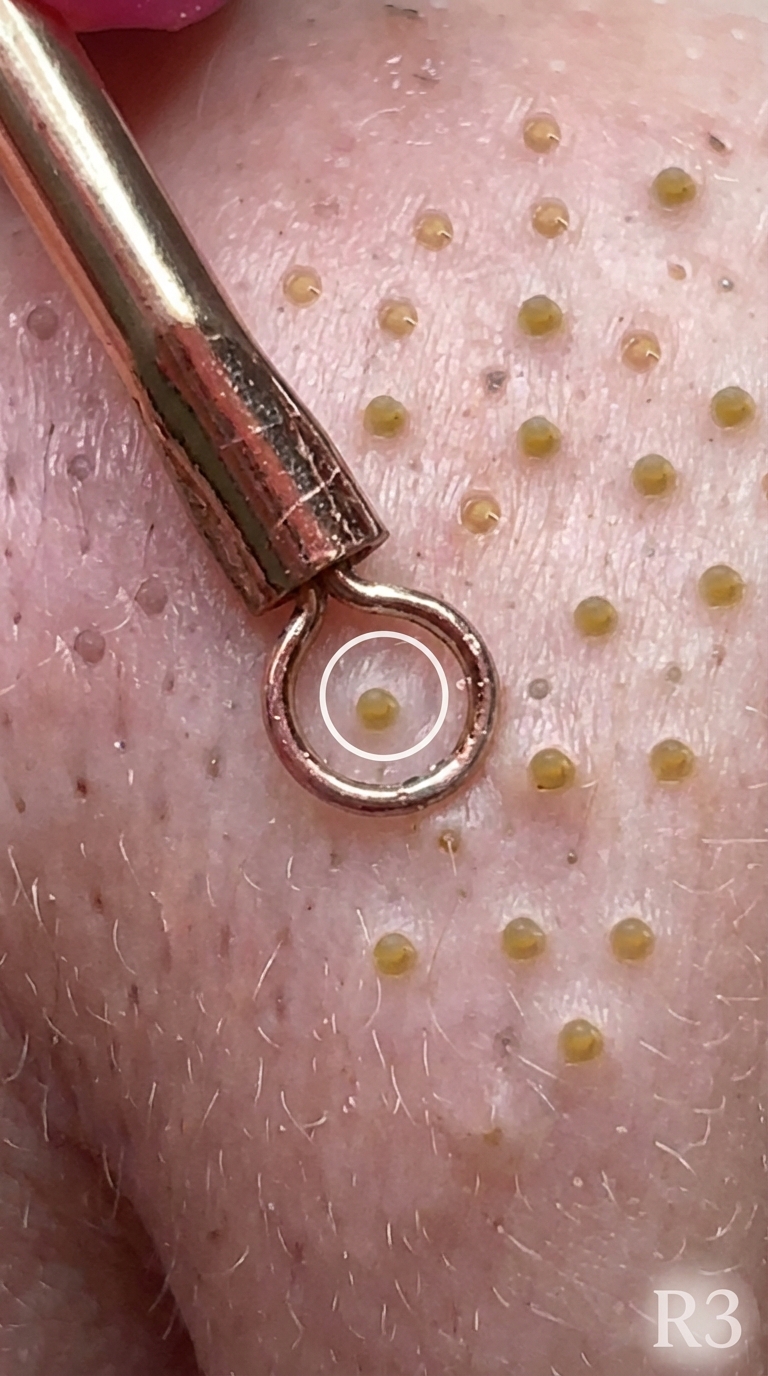
Diet and acne have been linked for decades, yet only in recent years has research begun to clarify how certain dietary patterns may influence the biological processes that drive breakouts. Acne develops within the pilosebaceous unit, where excess sebum production, abnormal follicular keratinization, clogged pores, and inflammation interact. Hormones such as insulin and insulin-like growth factor 1 (IGF-1) can stimulate sebaceous gland activity and promote the proliferation of keratinocytes inside the follicle. When these cells do not shed properly, they accumulate with sebum to form microcomedones, which can evolve into blackheads, whiteheads, and inflammatory lesions. Dietary factors that influence insulin signaling and systemic inflammation may therefore contribute to acne development in susceptible individuals.
High glycemic index diets have received the most consistent scientific attention. Meals that rapidly raise blood glucose levels may increase insulin and IGF-1 activity, which in turn can enhance sebum production and androgen signaling. Elevated androgen activity is known to stimulate oil glands, contributing to oily skin and clogged pores. Some clinical studies suggest that lower glycemic load diets may help reduce acne lesion counts over time, particularly in individuals with frequent consumption of refined carbohydrates and sugary beverages. While dietary change alone is rarely sufficient to fully control acne, these findings indicate that metabolic pathways can interact with skin biology.
Dairy intake has also been examined in observational studies. Milk consumption, especially skim milk, has been associated in some populations with higher acne prevalence. Proposed mechanisms include the presence of bioactive molecules in milk that may influence IGF-1 levels or androgen pathways. However, associations do not prove causation, and individual responses vary. Fermented dairy products and yogurt appear to have a weaker association, and overall dietary context likely matters more than a single food item. Genetics, baseline hormone levels, and overall dietary patterns may influence how strongly dairy affects an individual’s skin.
Beyond glycemic load and dairy, broader dietary patterns may influence inflammation and skin barrier function. Diets rich in highly processed foods, saturated fats, and low fiber may promote systemic inflammatory signaling. In contrast, nutrient-dense diets that include vegetables, fruits, whole grains, omega-3 fatty acids, and adequate protein may support overall skin health. Omega-3 fatty acids, for example, may help modulate inflammatory pathways involved in acne lesion formation. Zinc and certain antioxidants are also being studied for their potential supportive role, although supplementation should be approached cautiously and ideally under medical guidance.
Despite these associations, acne is a multifactorial condition. Hormonal fluctuations during adolescence or adulthood, genetic predisposition, stress, comedogenic skincare products, and environmental factors all contribute to the formation of comedones and inflammatory breakouts. Even in individuals who modify their diet, clogged pores can persist if follicular keratinization remains abnormal or if excess sebum production continues unchecked. For this reason, evidence-based topical therapies remain foundational in acne management.
Over-the-counter treatments such as salicylic acid may help exfoliate inside the pore lining, reducing the formation of blackheads and whiteheads. Benzoyl peroxide is commonly used to target acne-associated bacteria and decrease inflammation. Retinoids, including adapalene, are often recommended to normalize skin cell turnover and prevent microcomedone formation, addressing one of the earliest steps in acne development. Niacinamide may support the skin barrier while helping regulate excess oil and reduce visible redness. These ingredients can be integrated into a consistent skincare routine alongside gentle cleansing and non-comedogenic moisturizers to maintain barrier function.
For moderate to severe acne, prescription retinoids, oral medications, or hormonal therapies may be considered under dermatologic supervision. Dietary adjustments may complement these treatments but are rarely a standalone solution. It is also important to avoid extreme dietary restriction, which can disrupt nutritional balance and potentially affect overall health.
Current evidence suggests that certain dietary patterns may influence acne severity in some individuals, particularly those sensitive to high glycemic foods or specific dairy products. However, responses are individualized, and no single diet universally prevents or cures acne. Sustainable dietary changes, combined with appropriate skincare ingredients and professional guidance when needed, offer a balanced and evidence-informed approach. As with all aspects of acne management, gradual improvement rather than immediate clearance is the realistic expectation, and persistent or scarring acne warrants consultation with a qualified healthcare professional