Understanding the natural world around us can be a delightful journey.
One of the most fascinating phenomena we encounter is the behavior of heat and cold in our atmosphere.
You might have noticed how a warm breeze rises while cooler air settles lower to the ground.
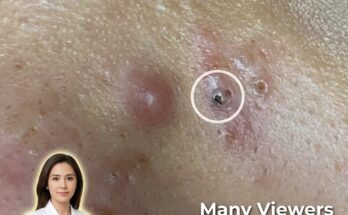
Clogged pores develop when excess sebum combines with dead skin cells inside the hair follicle, forming a plug that can evolve into blackheads, whiteheads, or inflammatory acne lesions. This process begins with abnormal follicular keratinization, in which skin cells do not shed efficiently and instead accumulate within the pore. When heavy moisturizers are applied to acne-prone skin, they do not directly “block” pores in a literal sense, but certain formulations can create an occlusive environment that traps sebum and corneocytes against the follicular opening. In individuals already prone to comedonal acne, this environment may contribute to microcomedone formation, which is the earliest stage of a clogged pore.
Moisturizers themselves are not inherently problematic. In fact, maintaining adequate skin barrier function is essential in acne care. The stratum corneum relies on lipids such as ceramides and cholesterol to prevent transepidermal water loss and reduce irritation. However, products that are very rich in occlusive agents like petrolatum, mineral oil, or certain butters may feel excessively heavy for people with oily skin or high sebum production. When combined with environmental factors such as humidity, sweat, and friction from masks or helmets, these formulations can increase follicular occlusion in susceptible individuals. Genetics and hormonal influences that elevate sebum output, particularly androgens, further increase the likelihood that trapped oil will accumulate and contribute to blackheads and whiteheads.
It is also important to consider formulation complexity rather than texture alone. Some emollients and fatty alcohols are well tolerated, while others may be more likely to aggravate comedonal acne depending on concentration and individual sensitivity. The term “comedogenic” is often used in marketing, but laboratory testing does not always reflect real-world skin responses. In practice, acne-prone individuals may benefit from moisturizers labeled oil-free or non-comedogenic, especially those designed for oily skin. Ingredients such as niacinamide can support barrier repair while helping regulate sebum activity, and lightweight humectants like glycerin or hyaluronic acid provide hydration without creating a thick occlusive layer. Balancing hydration is particularly important when using active acne treatments such as retinoids, benzoyl peroxide, or salicylic acid, all of which can disrupt the skin barrier and increase dryness.
When clogged pores are already present, incorporating evidence-based treatments may help normalize cell turnover and reduce buildup within follicles. Topical retinoids are commonly used to improve follicular keratinization and prevent microcomedone formation. Salicylic acid, a beta hydroxy acid, penetrates oil within the pore and can help loosen compacted debris. Benzoyl peroxide reduces Cutibacterium acnes and inflammatory lesions, although it does not directly dissolve comedones. Choosing a moisturizer that supports barrier recovery without feeling excessively occlusive may improve tolerance to these active ingredients and reduce irritation-related breakouts.
Not everyone with acne will react negatively to heavier creams. Individuals with dry, acne-prone skin or those experiencing barrier impairment from strong treatments may require richer formulations temporarily. The key factor is observing how the skin responds over several weeks rather than assuming that thickness alone determines pore congestion. If breakouts increase after introducing a new product, discontinuation and gradual reintroduction of simpler formulations may help clarify tolerance.
Persistent or severe acne, particularly when associated with significant inflammation or scarring, warrants evaluation by a qualified dermatologist. Heavy moisturizers can contribute to clogged pores in certain contexts, but they are rarely the sole cause of acne. A consistent, balanced skincare routine tailored to individual skin type and supported by appropriate active ingredients typically provides the most sustainable approach to managing pores, blackheads, and oily skin over time.