When we think about chemistry, many of us might picture test tubes, lab coats, and complicated equations that seem to belong in a high school classroom rather than our everyday lives.
However, the truth is that chemistry is all around us, woven into the fabric of our daily experiences.
From the way we cook our meals to the products we use for cleaning, chemistry plays a vital role in shaping our lives.
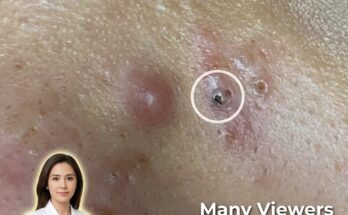
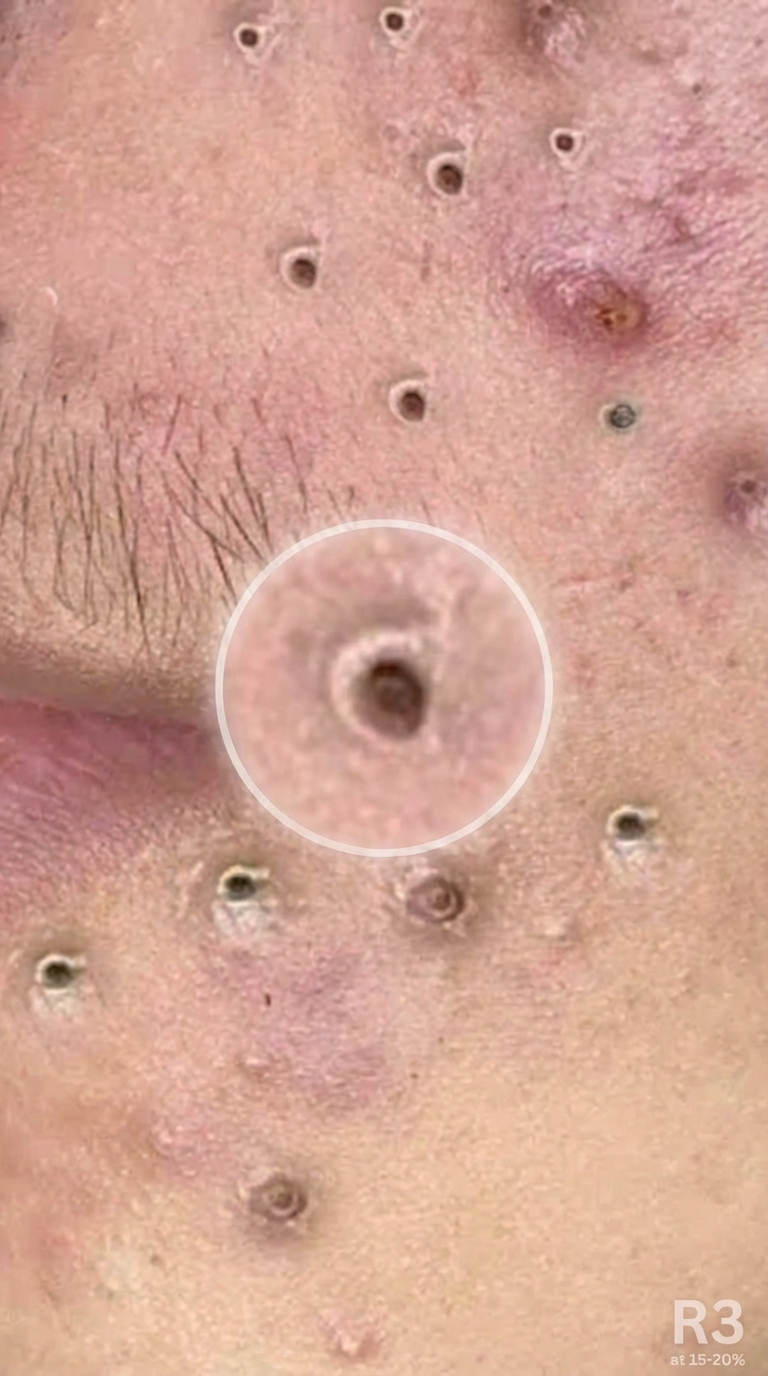
The concept of comedogenic ingredients is based on the idea that certain substances can contribute to clogged pores by promoting the formation of comedones, including blackheads and whiteheads. Comedones develop when excess sebum mixes with dead skin cells inside the hair follicle in a process linked to abnormal follicular keratinization. When this mixture becomes trapped, it forms a microcomedone, the earliest stage of acne. Over time, these lesions may remain non-inflammatory or progress to inflamed papules and pustules. Because acne-prone skin is already susceptible to pore congestion, concerns about comedogenic skincare ingredients have become widespread.
The origin of comedogenicity ratings dates back to early laboratory studies, many of which were conducted on rabbit ears rather than human facial skin. In these models, certain ingredients appeared to increase follicular plugging. However, rabbit ear skin is more reactive and structurally different from human skin, which limits how directly those findings translate to real-world skincare use. Additionally, many of the tested ingredients were applied in high concentrations and in pure forms, not within finished cosmetic formulations. This distinction is important because ingredient concentration, formulation chemistry, and the overall product vehicle significantly influence whether a substance may contribute to clogged pores.
Some ingredients historically labeled as comedogenic, such as certain plant oils, fatty alcohols, or emollients, do not consistently cause acne in controlled human studies when used appropriately. In fact, many emollients play a supportive role in maintaining the skin barrier. A compromised barrier can increase irritation and inflammation, which may worsen acne. Ingredients like ceramides and certain non-fragrant plant-derived oils can help maintain hydration without necessarily increasing comedone formation in most individuals. The term “non-comedogenic” itself is not tightly regulated, and products labeled as such may still cause breakouts in susceptible individuals depending on their skin type and routine.
Sebum production, hormonal influences, genetics, and overall skincare habits often have a greater impact on acne development than any single cosmetic ingredient. For example, excessive layering of heavy products in individuals with oily skin may increase occlusion and trap sebum within pores. In humid environments, thick occlusive creams may feel heavier and potentially contribute to congestion. Conversely, in dry climates, insufficient moisturization can disrupt the skin barrier, sometimes triggering increased oil production that also contributes to clogged pores. The interaction between environment, skin physiology, and product formulation is complex and individualized.
Certain ingredients have stronger evidence supporting their role in acne management rather than acne formation. Salicylic acid is commonly used because it penetrates oil-rich pores and helps dissolve excess sebum and dead skin cells. Retinoids normalize follicular keratinization and reduce microcomedone formation, addressing a core mechanism of comedonal acne. Benzoyl peroxide may help reduce acne-causing bacteria and inflammation. Niacinamide is often included to support barrier function and regulate visible oiliness. These ingredients can be incorporated into routines even when moisturizing agents are present, as balanced formulations are typically more important than avoiding specific ingredient names.
Rather than focusing solely on comedogenicity lists, it may be more useful to evaluate how a product performs on individual skin over time. Patch testing new products and introducing them gradually can help identify sensitivities or congestion patterns. Individuals with persistent or severe acne may benefit from consulting a qualified healthcare professional who can recommend evidence-based treatments tailored to their skin type and acne severity.
Overall, the idea that a single ingredient universally causes acne is an oversimplification. Acne development is influenced by sebum production, follicular keratinization, inflammation, microbial factors, and barrier integrity. While some formulations may feel too heavy for certain skin types, evidence suggests that comedogenicity depends on context, concentration, and individual susceptibility rather than ingredient labels alone