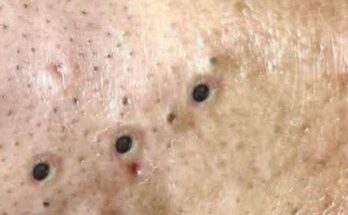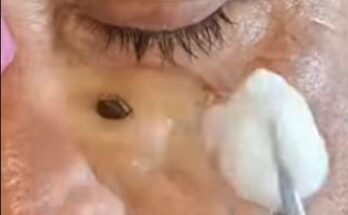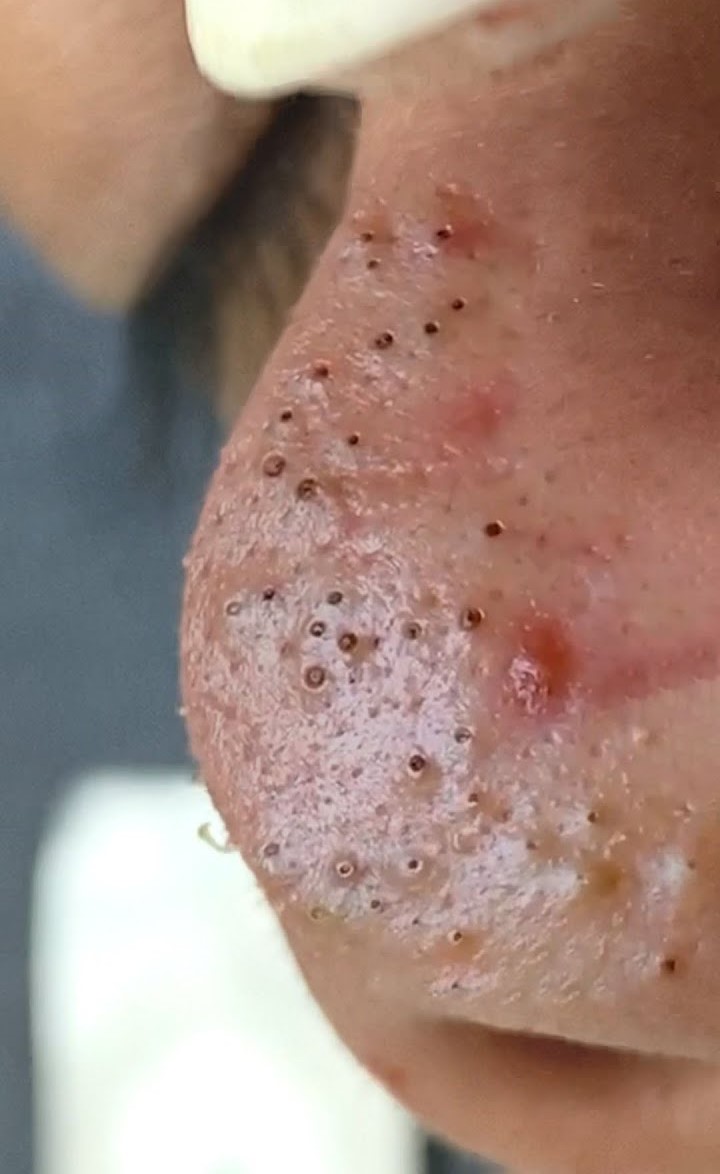
Video 1
Video 2
Video 3
Salicylic acid is a beta hydroxy acid widely used in acne-focused skincare because of its ability to act within the pore. Blackheads, or open comedones, develop when excess sebum and keratinized skin cells accumulate inside the follicle and the pore opening remains exposed to air. Oxidation of the trapped material gives blackheads their darker appearance. A central mechanism in their formation involves abnormal follicular keratinization, where dead skin cells are not shed evenly and instead adhere to the pore lining. As sebum production increases, this mixture becomes compacted, stretching the pore and contributing to visibly clogged pores and oily skin.
What distinguishes salicylic acid from many other exfoliating ingredients is its lipid solubility. Because it is oil-soluble, it can penetrate into the sebum-filled follicle rather than acting only on the surface of the skin. Once inside the pore, salicylic acid helps loosen the bonds between keratinocytes in the stratum corneum and within the follicular lining. This process promotes desquamation and may assist in breaking apart the compacted mixture of oil and debris that forms blackheads and whiteheads. By helping to normalize shedding within the follicle, it can reduce the formation of new comedones over time.
Salicylic acid also has mild anti-inflammatory properties. While blackheads are typically non-inflammatory lesions, comedonal acne can coexist with inflamed papules and pustules. By calming low-grade inflammation and reducing follicular blockage, salicylic acid may support a broader acne management routine. Its keratolytic effect can also improve overall skin texture, making pores appear less congested and less noticeable when used consistently.
Several factors influence how effectively salicylic acid works. Individuals with oily skin often benefit because the ingredient can access lipid-rich follicles more easily. However, excessive oil production driven by androgens, genetics, or environmental humidity may still require a comprehensive approach. Overuse or high concentrations can disrupt the skin barrier, leading to dryness, irritation, and compensatory sebum production that may worsen clogged pores. For this reason, gradual introduction and consistent but moderate use are often recommended.
Salicylic acid is commonly available in cleansers, leave-on toners, serums, and spot treatments. Leave-on formulations generally provide longer contact time within the pore, which may enhance effectiveness compared to rinse-off products. Concentrations in over-the-counter skincare typically range from 0.5% to 2%. For individuals with sensitive skin, starting with lower concentrations or less frequent application may help reduce irritation while still addressing blackheads.
In many cases, salicylic acid is combined with other evidence-based acne ingredients. Topical retinoids help regulate follicular keratinization and are often recommended for preventing both blackheads and whiteheads. Niacinamide may support barrier function and help moderate oiliness. Benzoyl peroxide is more commonly used for inflammatory acne because it targets acne-associated bacteria, but it may be included when comedones coexist with inflamed lesions. A gentle cleanser, non-comedogenic moisturizer, and daily sunscreen are important components of a balanced routine, particularly when exfoliating acids are used regularly.
For persistent or widespread comedonal acne, dermatology-guided treatments such as prescription-strength retinoids or professional chemical peels containing salicylic acid may be considered. These interventions aim to enhance pore turnover and reduce recurrent blockage, but they should be performed or supervised by qualified healthcare professionals to minimize complications such as irritation or post-inflammatory hyperpigmentation.
While salicylic acid can significantly improve the appearance of blackheads over time, it does not permanently eliminate pore size or completely prevent future breakouts. Consistent use, realistic expectations, and attention to overall skin barrier health are essential. Individuals experiencing ongoing or severe acne should seek evaluation from a licensed medical professional for personalized treatment recommendations.